
- thai-food-drink-pairing-basics - understanding-flavor-balance-with-beverages
- best-non-alcoholic-drinks - refreshing-options-to-calm-spice
- tea-and-herbal-drinks - traditional-thai-inspired-beverage-choices
- alcoholic-drinks-with-thai-food - beer-wine-and-cocktail-pairings
- drinks-for-specific-thai-dishes - pairing-beverages-with-popular-recipes
- choosing-drinks-like-a-thai-restaurant - professional-pairing-tips
1. Understanding What to Drink with Thai Food and Why Balance Matters
Thai cuisine is famous for its exciting combination of flavors. A single dish can include spicy chilies, sweet palm sugar, salty fish sauce, sour lime, fragrant herbs, and rich coconut milk. Because Thai food creates such a powerful experience on the palate, choosing the right beverage can completely change the way a meal feels.
When people ask what to drink with Thai food, they are usually looking for more than something to simply remove heat. The best beverages do not hide the flavors of Thai cuisine. Instead, they support the dish by refreshing the mouth, reducing intense spice, and highlighting important ingredients.
A common mistake is choosing a drink that competes with the food. For example, a very sweet beverage with an already sweet Thai curry can make the meal feel heavy. Similarly, a strong drink with aggressive flavors may overwhelm delicate herbs like basil, lemongrass, or cilantro.

How Thai flavors affect beverage choices
Thai dishes are built around contrast. The same plate may combine creamy coconut sauce with sharp lime juice, or spicy chili paste with sweet vegetables. This contrast is exactly why beverage pairing is so interesting.
Spicy foods create a sensation called heat perception, mainly caused by capsaicin in chili peppers. Water alone does not remove capsaicin because it does not dissolve the compound effectively. Drinks containing fat, sweetness, or creamy textures often provide a more noticeable cooling effect.
This is why beverages such as coconut-based drinks, milk tea, and creamy smoothies often work well with spicy Thai dishes. They create a smoother transition between bites.

Sukho Thai Restaurant
Essex JunctionChittenden CountyVermont
21 Essex Way Suite 210, Essex Junction, VT 05452, USA
The role of temperature, sweetness, and texture
Temperature is another important factor. Cold drinks can provide immediate relief after eating spicy dishes, while warm teas can cleanse the palate between bites. Sweetness can soften sharp chili flavors, but too much sugar may overpower balanced Thai recipes.
Texture also matters. A light sparkling drink creates a refreshing contrast with rich dishes like Thai curry, while a creamy beverage can match the richness of coconut milk-based recipes.
For diners exploring authentic Thai flavors, understanding these small details makes every meal more enjoyable. At Thai Food, visitors can discover more ideas for enjoying Thai cuisine alongside complementary beverage choices and traditional dining experiences.
2. Best Non-Alcoholic Drinks That Tame the Heat of Thai Food
Non-alcoholic beverages are some of the most popular choices for Thai meals because they allow the complex flavors of the food to remain the main focus. They are also suitable for families, lunch gatherings, and anyone who wants a refreshing drink without alcohol.
Thai iced tea for spicy and creamy dishes
Thai iced tea is one of the most recognizable drinks associated with Thai cuisine. Made with strongly brewed tea, sugar, and often condensed milk, it offers a creamy sweetness that pairs beautifully with spicy dishes.
The richness of Thai iced tea works especially well with dishes containing chili and coconut milk. The creamy texture helps soften spice while the tea flavor adds a slightly earthy contrast.
For example, a plate of spicy green curry with jasmine rice can feel much more balanced when paired with a cold glass of Thai iced tea. The drink provides sweetness without taking attention away from the herbs and spices in the curry.
Coconut water for natural cooling
Coconut water is another excellent choice when deciding what to drink with Thai food. It has a naturally mild sweetness and a refreshing quality that complements tropical ingredients commonly used in Thai cooking.
Coconut water pairs particularly well with seafood dishes, grilled meats, and spicy salads. Its light flavor allows ingredients such as lime, chili, and fresh herbs to remain noticeable.
Unlike sugary sodas, coconut water provides hydration while maintaining a clean taste. This makes it a popular option for people who want something refreshing but not overly sweet.
Fresh fruit smoothies
Fruit smoothies are another practical solution for balancing spicy Thai meals. Mango, pineapple, coconut, and banana are especially effective because they bring natural sweetness and a smooth texture.
A mango smoothie alongside spicy Thai noodles creates a pleasant contrast. The fruit's sweetness reduces the intensity of chili while adding another tropical layer to the meal.
Many Thai restaurants offer fruit-based drinks because tropical fruits are deeply connected to Southeast Asian cuisine. They are not simply decorative beverages; they are part of the overall flavor experience.
Sparkling water with citrus
For diners who prefer something lighter, sparkling water with lime or lemon is a simple but effective choice. The bubbles refresh the palate, while citrus enhances the bright flavors found in Thai dishes.
This option works well with fried appetizers such as spring rolls or crispy shrimp dishes. The carbonation helps remove richness, allowing each bite to taste fresh.
3. Tea and Herbal Drinks Inspired by Thai Traditions
Tea has a long history throughout Asia, and Thai cuisine often benefits from herbal and tea-based beverages. These drinks offer a balance between tradition, flavor, and practicality.
Jasmine tea with aromatic Thai dishes
Jasmine tea is a gentle beverage choice that works well with dishes featuring fresh herbs and subtle spices. Its floral aroma complements ingredients like basil, ginger, and lemongrass.
Unlike heavily sweetened drinks, jasmine tea allows diners to experience the natural flavors of Thai cooking. It is especially suitable for lighter dishes such as vegetable stir-fries, steamed fish, and noodle soups.
Ginger tea for rich meals
Ginger tea provides warmth and a mild spicy note that can complement rich Thai recipes. It works particularly well after heavier meals because ginger is traditionally associated with digestive comfort.
A warm cup of ginger tea after a coconut curry dinner creates a relaxing finish. The gentle heat of ginger also connects naturally with the spice profile of Thai cuisine.
Pandan drinks for a unique experience
Pandan is a fragrant plant widely used in Southeast Asian cooking. Pandan drinks have a subtle vanilla-like aroma and a refreshing sweetness.
Pairing pandan beverages with Thai desserts or spicy dishes creates a memorable dining experience. The unique flavor introduces another layer of Southeast Asian culture to the meal.
4. Alcoholic Drinks That Pair Well with Thai Cuisine
For adults looking for alcoholic options, the right pairing can enhance Thai food without overpowering it. The key is choosing drinks with enough freshness and balance to match bold flavors.
Light beer with spicy Thai dishes
Beer is one of the most common choices when eating spicy food. A cold, light beer can refresh the palate and reduce the intensity of chili-based dishes.
Lagers and pilsners often work better than very strong beers because they have clean flavors. A heavy beer may compete with delicate Thai herbs and sauces.
Popular combinations include beer with spicy basil chicken, grilled meats, and fried appetizers. The carbonation and cold temperature create a satisfying contrast.
White wine with seafood and curry
White wine can be a surprisingly good match for Thai food. Wines with fruity notes and moderate acidity pair well with seafood, coconut curries, and dishes containing lime.
A slightly sweet white wine can balance spicy flavors, while a crisp wine can highlight fresh ingredients.
Cocktails with Thai-inspired flavors
Creative cocktails can also complement Thai cuisine. Drinks featuring tropical fruits, herbs, and citrus often match the ingredients found in Thai recipes.
A cocktail containing pineapple, lime, basil, or coconut can mirror flavors already present in the food. The goal is not to create competition but to build harmony between drink and dish.
5. Choosing Beverages for Popular Thai Dishes
What to drink with Thai curry
Thai curry is one of the most popular dishes worldwide, but different curries require different beverage choices.
Green curry usually contains strong herbal notes and chili heat. Creamy drinks such as Thai iced tea or coconut-based beverages work well because they soften the spice.
Massaman curry has deeper flavors from spices and nuts, making it suitable with lighter teas or refreshing citrus drinks.
What to drink with Pad Thai
Pad Thai combines sweet, salty, sour, and savory flavors. Because the dish already has sweetness from tamarind sauce, beverages should provide freshness rather than excessive sugar.
Lime sparkling water, jasmine tea, or a lightly sweet fruit drink can enhance the balance of the noodles.
What to drink with spicy Tom Yum soup
Tom Yum soup is famous for its sour and spicy profile. A cooling beverage is usually preferred because the chili and herbs create a powerful flavor experience.
Coconut water, Thai iced tea, or a refreshing fruit smoothie can soften the heat while allowing the soup's lemongrass and lime flavors to remain clear.
What to drink with Thai desserts
Thai desserts often feature coconut, sticky rice, and tropical fruits. Tea, coffee, or lightly flavored drinks can complement these sweeter dishes.
A strong tea can balance creamy desserts, while fruit drinks can continue the tropical theme.
6. How to Choose Drinks Like a Thai Restaurant Expert
Professional chefs and restaurant owners often think about the complete dining experience rather than just individual dishes. Beverage selection is part of creating a memorable meal.
Match intensity instead of ingredients only
A common beginner mistake is matching drinks only by ingredients. For example, choosing coconut drinks because a dish contains coconut milk. While this can work, intensity matters more.
A very spicy dish needs a beverage that can provide balance. A delicate dish needs something that will not cover its flavors.
Consider your personal spice tolerance
Everyone experiences spice differently. Someone who regularly eats chili may prefer a refreshing beer, while someone sensitive to spice may prefer a creamy or sweet beverage.
The best answer to what to drink with Thai food depends on both the dish and the person enjoying it.
Create your own Thai dining experience at home
Trying different beverage combinations at home can be a fun way to understand Thai flavors. Start with familiar choices such as Thai iced tea, coconut water, or jasmine tea, then experiment with other options.
Whether preparing a homemade Thai dinner or visiting a restaurant, thoughtful beverage pairing can transform an ordinary meal into a complete culinary experience.
Exploring authentic Thai dishes and learning how flavors interact helps diners appreciate why Thai cuisine is loved around the world. The right beverage does more than reduce spice; it connects every element of the meal together.
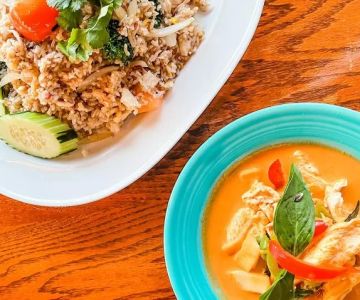

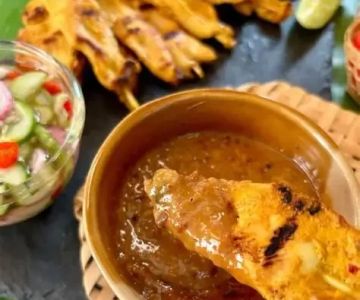
 Bangkok 2 Thai4.0 (1009 reviews)
 Cassette Thai Diner4.0 (71 reviews)
 Baylee Thai Cuisine4.0 (218 reviews)
 ME CHICKEN RICE4.0 (571 reviews)
 Check In Thai Cuisine4.0 (401 reviews)
 Chomp Chomp Thai kitchen4.0 (364 reviews)
 Thai Food for Summer: Light, Fresh & Flavor-Packed Recipes to Try
 Thai Food + Wine Pairing: What Works and What Doesn’t
 How to Make Thai Food That’s Refreshing for Hot Summer Nights
 How to Make Thai Food That’s Safe for Major Allergies (Nut-Free, Soy-Free)
 Thai Food for Busy Families: Easy Recipes Kids Will Actually Eat
 How to Make Thai Food Work for a Tight Weeknight Schedule