How to Make Thai Food That’s Safe for Major Allergies (Nut-Free, Soy-Free)
- understanding-allergens-in-traditional-thai-cooking
- safe-ingredient-substitutions-for-thai-recipes
- nut-free-and-soy-free-thai-meal-ideas
- kitchen-safety-and-cross-contamination
- building-confidence-with-allergy-safe-thai-cooking
1. Understanding Allergens in Traditional Thai Cooking
Thai cuisine is loved for its balance of sweet, sour, salty, and spicy flavors. However, many classic recipes include ingredients that may trigger allergies. Learning how to make Thai food that’s safe for major allergies (nut-free, soy-free) starts with understanding where these allergens commonly appear.
Thai Palace
BloomfieldCapitol Planning RegionConnecticut
18 Wintonbury Mall, Bloomfield, CT 06002, USA
1.1 Peanuts in Popular Thai Dishes
Peanuts are commonly used in Thai sauces, garnishes, and stir-fry dishes. Meals such as Pad Thai or certain curries often contain crushed peanuts or peanut-based sauces.
Spicy Shallot 2 Thai Restaurant
MamaroneckWestchester CountyNew York
1208 W Boston Post Rd, Mamaroneck, NY 10543, USA
1.2 Soy-Based Ingredients in Cooking
Soy sauce and fermented soybean pastes are frequently used for seasoning. These ingredients add deep umami flavor but may cause issues for people with soy allergies.
1.3 Hidden Sources of Allergens
Many prepared curry pastes, bottled sauces, and marinades contain soy or traces of nuts. Carefully reading labels becomes an essential step when cooking allergy-friendly Thai food.
2. Safe Ingredient Substitutions for Thai Recipes
Fortunately, creating nut-free and soy-free Thai dishes is easier than many people expect. With the right substitutions, it is possible to maintain authentic flavor while avoiding common allergens.
2.1 Coconut Aminos Instead of Soy Sauce
Coconut aminos offer a naturally soy-free alternative that delivers a similar savory taste. This ingredient has become popular in allergy-friendly cooking because it adds depth without using soy.
2.2 Sunflower Seeds Instead of Peanuts
To recreate the crunchy texture that peanuts usually provide, toasted sunflower seeds can work as an excellent replacement. They offer a similar mouthfeel and complement many Thai dishes.
2.3 Fresh Herbs and Citrus for Flavor
Thai cooking relies heavily on ingredients like lemongrass, lime leaves, garlic, chili, and basil. Using these fresh elements helps maintain the vibrant taste Thai cuisine is known for, even without nuts or soy.
3. Nut-Free and Soy-Free Thai Meal Ideas
There are many Thai-inspired dishes that can easily be adapted to fit allergy-friendly diets while still delivering bold flavors.
3.1 Coconut Curry Vegetable Soup
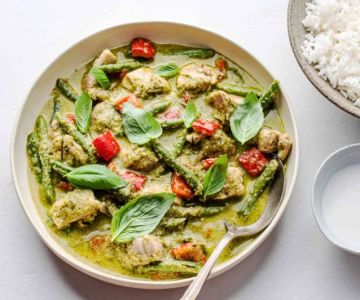
A coconut milk–based curry soup can be made with fresh vegetables, ginger, lemongrass, and chili paste that is free of soy and nuts. This dish is both comforting and naturally flavorful.
3.2 Lime and Herb Rice Noodle Bowl
Rice noodles tossed with lime juice, garlic, vegetables, and herbs create a refreshing meal. Adding grilled chicken or tofu alternatives keeps the dish satisfying.
3.3 Mango Sticky Rice Dessert
One of the safest Thai desserts for allergy-sensitive diets is mango sticky rice. Made with coconut milk and sweet rice, it contains no soy or peanuts and offers a naturally sweet finish to a meal.
4. Kitchen Safety and Cross-Contamination
Even when using safe ingredients, preventing cross-contamination remains essential when preparing meals for individuals with severe allergies.
4.1 Use Separate Cooking Utensils
Dedicated cutting boards, utensils, and cookware help reduce the chance of allergen exposure during meal preparation.
4.2 Clean Cooking Surfaces Carefully
Before cooking, wiping down countertops and washing tools thoroughly can remove traces of allergens that may remain from previous meals.
4.3 Learning from Real Cooking Experiences
Many home cooks share stories online about adjusting Thai recipes after discovering family members had allergies. By replacing peanut toppings and soy-based sauces with safer alternatives, they were able to recreate their favorite dishes without compromising taste.
5. Building Confidence with Allergy-Safe Thai Cooking
Preparing allergy-friendly meals can feel intimidating at first, but with experience it becomes easier to adapt traditional recipes.
5.1 Experimenting with Authentic Flavors
Thai cuisine offers a wide range of spices, herbs, and cooking techniques that naturally support creative substitutions. Exploring these flavors allows cooks to design meals that remain authentic and safe.
5.2 Planning Meals with Care
Keeping a small collection of allergy-friendly ingredients such as coconut aminos, rice noodles, coconut milk, and fresh herbs makes it easier to cook Thai dishes at home.
5.3 Finding Reliable Thai Cooking Inspiration
For those interested in exploring more allergy-friendly recipes and cooking guidance, platforms like Thai Food provide helpful ideas and inspiration for preparing authentic meals that accommodate different dietary needs.
Learning how to make Thai food that’s safe for major allergies (nut-free, soy-free) allows everyone to enjoy the rich flavors of Thai cuisine. With thoughtful substitutions, careful preparation, and a willingness to experiment, it is possible to create delicious dishes that are both authentic and safe for people with food allergies.


 Thai Chilli4.0 (219 reviews)
 Sweet Basil Thai Restaurant4.0 (461 reviews)
 Coconut Rice Thai Cuisine4.0 (126 reviews)
 Aves Thai & Asian Fusion restaurant4.0 (146 reviews)
![THE BOSS [Barrington, RI]](https://img.menuthaifood.com/d49/2510/187436066969640_150x150.webp) THE BOSS [Barrington, RI]4.0 (106 reviews)
THE BOSS [Barrington, RI]4.0 (106 reviews) Wasabi Thai4.0 (386 reviews)
 How to Make Thai Food That’s Aligned with Mediterranean Diet Principles
 How to Make Thai Food That’s Perfect for a Cozy Evening In
 How to Store and Preserve Thai Spices and Herbs at Home
 How to Make Thai Food That’s Ready in Under 20 Minutes Without Losing Real Thai Flavor
 How to Make Thai Food That’s Easy for First-Time Cooks
 The Best Thai Food Recipes for Leftover Rotisserie Chicken Transformation