
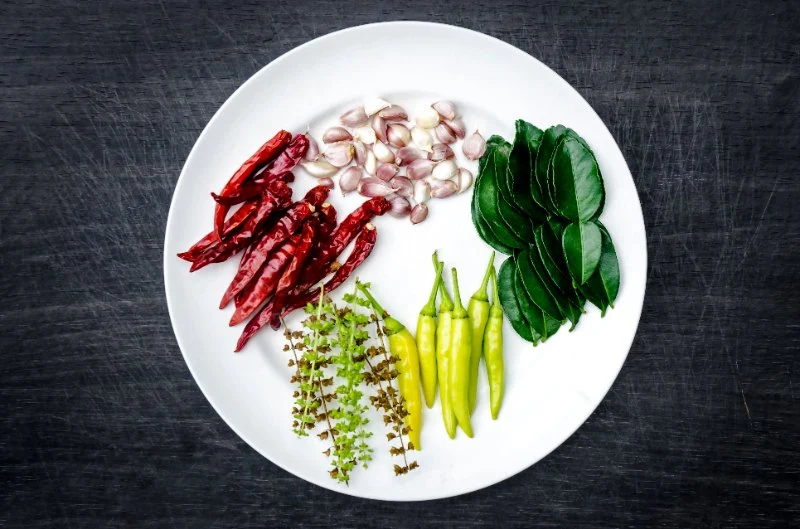
Thai Food Ingredient Guide: How to Store & Preserve Thai Spices & Herbs at Home
- 1- Introduction to Thai Spices & Herbs
- 2- How to Store Fresh Thai Herbs
- 3- Drying and Freezing Thai Herbs and Spices
- 4- Long-Term Preservation Techniques
- 5- Common Mistakes to Avoid
1- Introduction to Thai Spices & Herbs
Thai cuisine is renowned for its vibrant and aromatic flavors, often attributed to the wide variety of spices and herbs used in dishes. Essential ingredients such as lemongrass, Thai basil, galangal, kaffir lime leaves, and bird’s eye chilies not only add depth to Thai food but are also packed with health benefits. However, storing these ingredients properly is key to preserving their freshness and flavor.
Whether you're a seasoned chef or a home cook looking to experiment with Thai recipes, knowing how to store and preserve these essential herbs and spices will ensure your dishes are as flavorful as intended. Here’s a guide to help you maintain the quality of your Thai herbs and spices while keeping them fresh for longer periods.
2- How to Store Fresh Thai Herbs
Fresh Thai herbs, like basil, cilantro, and mint, are delicate and have a short shelf life. To preserve their freshness, it’s important to store them properly. Here are a few tips:
- Refrigeration for Some Herbs: Herbs like Thai basil, cilantro, and mint should be stored in the fridge. You can place them in a damp paper towel or wrap them loosely in plastic and store them in the vegetable crisper. If the herbs are very fresh, placing the stems in water like a bouquet of flowers will also help keep them fresh.
- Use Airtight Containers: For herbs that don’t need to be refrigerated, like lemongrass, store them in an airtight container at room temperature in a dry, dark place. Lemongrass tends to keep well if stored in a cool area.
- Avoid Excess Moisture: Too much moisture can cause herbs to wilt or mold. Always dry your herbs before storing them if you’ve washed them, and ensure the container has some air circulation.
3- Drying and Freezing Thai Herbs and Spices
If you have a surplus of Thai herbs or want to store them for longer periods, drying and freezing are great options. Here’s how:
- Drying Thai Herbs: Drying herbs like Thai basil, mint, and lemongrass can be done easily by hanging them in small bundles in a warm, dry area with good airflow. Alternatively, you can use a dehydrator or an oven set to a low temperature. Once dried, store the herbs in airtight containers away from sunlight.
- Freezing Herbs: Freezing is ideal for herbs like cilantro and Thai basil. Chop the herbs, place them in ice cube trays, and fill the trays with water or olive oil. Once frozen, transfer the cubes to a sealed freezer bag. This method retains the herb’s flavor for months, though they may lose their texture when thawed.
- Freezing Spices: For spices like galangal or ginger, you can freeze them whole or chopped. Store them in freezer bags or airtight containers. These roots can last up to 6 months in the freezer while maintaining much of their flavor.
4- Long-Term Preservation Techniques
For long-term preservation of your Thai herbs and spices, consider these methods:
- Canning or Jarring: Preserving herbs in jars with oil or vinegar is a great way to extend their shelf life. For instance, you can make Thai-style pickles by submerging sliced ginger or galangal in vinegar, adding some chilies and garlic for a spicy kick.
- Creating Spice Pastes: Many Thai dishes require fresh spice pastes that include garlic, lemongrass, chilies, and galangal. You can blend these ingredients into a paste and store it in jars, freezing the paste in portions for later use.
5- Common Mistakes to Avoid
While storing Thai herbs and spices, here are some common mistakes to avoid:
- Storing Fresh Herbs in Plastic Bags: While plastic bags may seem convenient, they trap moisture, which leads to mold and wilting. Instead, use perforated bags or opt for breathable storage options.
- Over-Freezing: Freezing too many herbs can lead to loss of flavor and texture. Freeze herbs in small portions, and only freeze those you can use within a few months.
- Ignoring Expiration Dates: Thai spices like curry powder and dried lemongrass lose their potency over time. Check the expiration dates regularly and use them while they’re still aromatic.
By following these tips and techniques, you can keep your Thai herbs and spices fresh and flavorful, enhancing your cooking and preserving the vibrant flavors of Thai cuisine. If you're interested in purchasing authentic Thai ingredients or learning more, visit Thai Food for the best selection and expert advice on storing and using these ingredients in your kitchen.
 Kapow Kitchen & Food Truck4.0 (178 reviews)
 Tuk Tuk Thai Food4.0 (300 reviews)
 Thai Green Leaf4.0 (267 reviews)
 Swaddee House of Thai Food4.0 (209 reviews)
 Seth Thai Restaurant4.0 (92 reviews)
 Tung Thong4.0 (492 reviews)
 Thai Food and Wellness: Thai Herbs That Might Boost Your Health
 The Best Thai Food Recipes for Minimal Ingredient Cooking
 How to Make Thai Food That’s Perfect for Sharing with Friends
 How to Make Thai Food in One-Pan: Less Cleanup, Full Flavor
 The Best Thai Food Recipes for Couples Cooking Together
 The Ultimate Guide to Thai Food for Late Summer: Salads & Light Meals