- 1 - The Truth Behind Thai Food Authenticity
- 2 - Myth 1: Thai Food is Always Super Spicy
- 3 - Myth 2: Thai Dishes are Always Fried
- 4 - Myth 3: Authentic Thai Food is Only Found in Thailand
- 5 - Myth 4: Thai Food Always Uses Fish Sauce
- 6 - What Really Makes Thai Food 'Authentic'?
1 - The Truth Behind Thai Food Authenticity
Thai food is loved worldwide for its bold flavors, vibrant colors, and complex combinations of sweet, sour, salty, and spicy elements. However, with its rise in popularity, several myths about what makes Thai food truly "authentic" have emerged. In this article, we will debunk these myths and uncover what really makes a Thai dish authentic. From the use of fresh ingredients to regional variations, we'll explore the truth behind some of the most common misconceptions about Thai cuisine.

Little Thai Kitchen
DarienWestern Connecticut Planning RegionConnecticut
4 West Ave, Darien, CT 06820, USA
2 - Myth 1: Thai Food is Always Super Spicy
One of the most persistent myths about Thai food is that it is always incredibly spicy. While it's true that many Thai dishes are known for their heat, not all Thai food is spicy. In fact, Thai cuisine is incredibly diverse, and the level of spice varies greatly from region to region and dish to dish.
2.1 Spice Isn't the Only Flavor
In Thailand, flavors are balanced and layered. While chili peppers play a significant role in many dishes, they are only one component of the overall flavor profile. Sweetness from ingredients like palm sugar, sourness from tamarind or lime, and the umami flavor of fish sauce all contribute to the complexity of the dish. Many Thai dishes, like Pad Thai or Massaman Curry, are not necessarily spicy but offer a rich, savory taste.
2.2 Spice Levels Are Adjustable
When dining in Thailand, you’ll often find that spice levels can be adjusted to suit your preference. Thai people understand that not everyone enjoys the intense heat of their food, so they’re often happy to reduce the spice level upon request. So, while spicy food is a hallmark of Thai cuisine, it’s not a defining factor of every dish.
3 - Myth 2: Thai Dishes are Always Fried
Another common misconception is that Thai food is predominantly fried. While fried foods like Spring Rolls and Pad Thai are indeed popular, they do not make up the majority of Thai dishes.
3.1 A Variety of Cooking Techniques
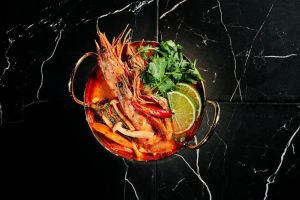
Thai cooking embraces a wide range of techniques, from steaming and grilling to stir-frying and simmering. For example, Tom Yum (spicy and sour soup) and Som Tum (green papaya salad) are both typically prepared with raw or lightly cooked ingredients, showing that Thai food isn’t just about frying.
3.2 Healthy and Fresh Ingredients
Many traditional Thai dishes emphasize fresh vegetables, herbs, and lean proteins like chicken, fish, and tofu. Ingredients like lemongrass, galangal, and basil are used to add fragrance and flavor, creating lighter, more vibrant dishes. Therefore, Thai cuisine offers many options that are far from fried and are often packed with healthy ingredients.
4 - Myth 3: Authentic Thai Food is Only Found in Thailand
Some believe that the only truly authentic Thai food can be found in Thailand. While it’s true that experiencing food in its country of origin is an incredible experience, authentic Thai food can be enjoyed in many parts of the world.
4.1 Thai Immigrants Have Brought Authentic Recipes Worldwide
As Thai immigrants have spread across the globe, they’ve brought with them the culinary traditions of their homeland. In cities across the United States, from New York to Los Angeles, you can find restaurants that serve authentic, home-style Thai dishes. Many of these dishes are prepared by chefs who have honed their craft in Thailand or are deeply connected to Thai culinary traditions.
4.2 Regional Variations Are Part of Thai Cuisine
Thai cuisine itself is highly regional, with distinct differences in the food from the north, northeast, central, and southern regions of Thailand. Dishes in the US may reflect these regional variations, making them just as authentic as those found in Thailand, albeit adapted to local ingredients or tastes.
5 - Myth 4: Thai Food Always Uses Fish Sauce
Fish sauce, or nam pla, is a key ingredient in many Thai dishes, but it’s not used in every recipe. This has led to the misconception that all Thai food must contain fish sauce to be authentic.
5.1 Vegetarian and Vegan Thai Dishes
For those who follow a vegetarian or vegan diet, there are plenty of authentic Thai dishes that don’t contain fish sauce. For example, many dishes in Northern Thailand use soy sauce or tamarind for flavoring instead of fish sauce. Additionally, many Thai cooks substitute vegetarian fish sauce or mushrooms to create plant-based versions of traditional recipes.
5.2 Substituting Ingredients for Authenticity
Authenticity in Thai cuisine isn’t solely about using fish sauce—it’s about capturing the essence of flavor, which can be achieved with different ingredients depending on dietary preferences. The key to authentic Thai cooking is balance and harmony in flavors, which can be maintained without fish sauce.
6 - What Really Makes Thai Food 'Authentic'?
Authentic Thai food is about more than just using specific ingredients or following a certain recipe. It’s about achieving the perfect balance of flavors and textures, from sweet and sour to spicy and salty. It’s about using fresh ingredients, regional techniques, and the creativity of Thai cooks to create dishes that delight the senses.
Ultimately, what makes Thai food "authentic" is the spirit of its culinary culture—its reliance on fresh, local ingredients, its respect for tradition, and its ability to adapt to changing tastes and circumstances. So the next time you dig into a plate of Thai food, remember that authenticity comes from more than just the ingredients—it’s about the passion and balance in every bite.
For more on authentic Thai cuisine and where to find the best Thai food near you, visit Thai Food for expert recommendations and services tailored to your culinary needs.
 Spice Thai Bistro4.0 (94 reviews)
 Lanna Thai Diner4.0 (547 reviews)
 Thai All Seasons4.0 (266 reviews)
 Jinsoy3.0 (572 reviews)
 Thai Orchid4.0 (468 reviews)
 Bangkok Degree4.0 (494 reviews)
 How to Make Thai Food That’s Great with Leftover Rotisserie Chicken
 Thai Food Ingredient Spotlight: Dried Kaffir Lime — What & How
 Thai Food for Holiday Leftovers: Reimagining Thai Dishes
 How to Make Thai Curry Without Coconut Milk (for Dairy-Free Diets)
 How to Build Your Own Thai Spice Blend: A Guide to Authentic Flavors
 How to Make the Most of Thai Food and Mindful Eating