
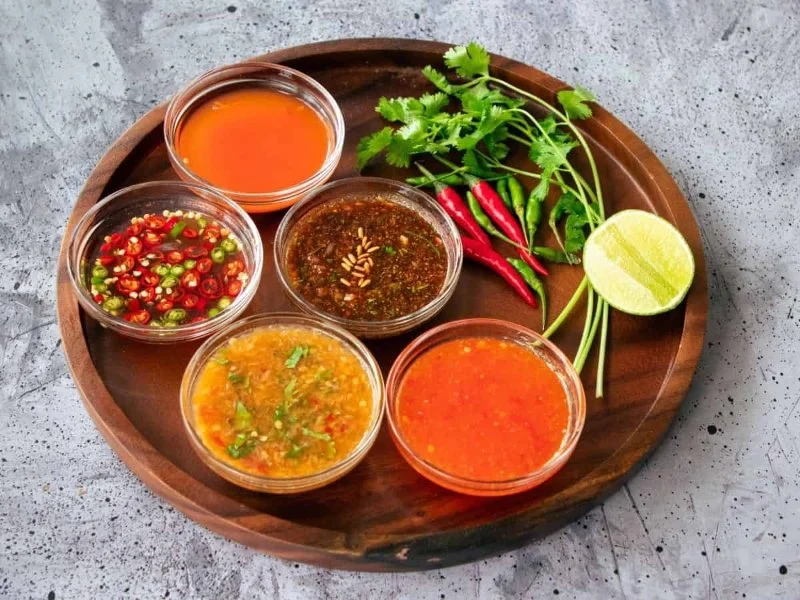
- 1. Why Make Thai Sauces in Bulk?
- 2. Basic Ingredients for Thai Sauces
- 3. Popular Thai Sauces to Make in Bulk
- 4. Tips for Storing Thai Sauces
- 5. Recommendation from Thai Food
1. Why Make Thai Sauces in Bulk?
Making Thai food sauces in bulk is a time-saving strategy for those who love to cook and eat Thai food regularly. Preparing sauces in advance allows you to enjoy the rich, vibrant flavors of Thai cuisine without spending time on sauce preparation each time you cook. Bulk preparation is especially useful for meal prepping, allowing you to incorporate these sauces into various dishes throughout the week.
By making Thai sauces in bulk, you can ensure that you always have fresh, authentic flavors on hand for quick stir-fries, dipping sauces, soups, and marinades. It’s a great way to streamline your meal prep routine and keep your meals exciting, without the need to constantly cook from scratch.
2. Basic Ingredients for Thai Sauces
Before you start making your Thai food sauces in bulk, it's important to familiarize yourself with the essential ingredients. Thai sauces typically use a balance of sweet, salty, sour, and spicy flavors, which come from a few key ingredients:
- Fish Sauce – A staple in Thai cuisine, fish sauce provides the salty umami flavor essential in many Thai dishes.
- Soy Sauce – Used in some sauces for additional saltiness and depth of flavor.
- Rice Vinegar – Adds the tangy sourness that balances the richness of the other ingredients.
- Coconut Milk – Often used in creamy sauces like red and green curry sauces, giving them a rich and smooth texture.
- Brown Sugar – For sweetness, balancing out the salty and sour components.
- Lime Juice – Fresh lime juice adds a zesty kick and freshness to the sauces.
- Chilies – Fresh or dried, chilies bring the characteristic heat to Thai sauces.
- Garlic and Ginger – Essential for creating aromatic depth and flavor in many Thai sauces.
3. Popular Thai Sauces to Make in Bulk
Now that you know the basic ingredients, let’s look at some popular Thai sauces that are perfect for making in bulk for meal prep:
3.1 Pad Thai Sauce
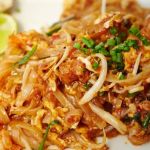
Pad Thai sauce is sweet, tangy, and savory, and it's the foundation for the famous Thai stir-fried noodle dish. To make it in bulk, combine tamarind paste, fish sauce, sugar, lime juice, and chili powder. Store in an airtight container for up to two weeks in the fridge, and use it for stir-frying noodles, or as a dipping sauce for grilled meats and vegetables.
3.2 Red Curry Paste
Red curry paste is rich, aromatic, and the base for many Thai curries. It’s made from a blend of dried red chilies, garlic, shallots, lemongrass, and spices like coriander and cumin. To prepare it in bulk, blend the ingredients and store in a jar. You can use it as a curry base or add it to soups for a spicy kick.
3.3 Sweet Chili Sauce
Sweet chili sauce is one of the most popular dipping sauces in Thai cuisine. Its balance of sweetness and heat makes it perfect for spring rolls, chicken wings, and grilled meats. To make in bulk, combine sugar, vinegar, garlic, and chili, simmering until thickened. Store it in a jar and use it for dipping or glazing meats.
3.4 Peanut Sauce
Peanut sauce is creamy, nutty, and slightly spicy, often used for dipping satay or drizzling over noodles. It’s made from peanut butter, coconut milk, soy sauce, lime juice, and a bit of sugar. To make in bulk, simply blend these ingredients together and store them in an airtight container for up to two weeks. It’s a great sauce for meal prep since it can be used on a variety of dishes.
4. Tips for Storing Thai Sauces
Proper storage is crucial to maintaining the flavor and freshness of your homemade Thai sauces. Here are some tips for storing them:
4.1 Use Airtight Containers
Store your sauces in airtight containers to prevent air from degrading the flavor. Glass jars or plastic containers with tight-fitting lids work best. Label the containers with the sauce type and the date you made them so you can track their freshness.
4.2 Refrigeration is Key
Most Thai sauces should be stored in the refrigerator, especially those with ingredients like coconut milk or fish sauce. Refrigeration helps preserve the quality and taste for longer periods. For sauces like peanut sauce, you can also freeze them in smaller portions for future use.
4.3 Avoid Cross-Contamination
When storing sauces, make sure to use clean utensils to scoop out the sauce. This prevents contamination from other foods and helps extend the sauce's shelf life.
5. Recommendation from Thai Food
If you're looking for high-quality Thai ingredients and authentic recipes to make your Thai food sauces in bulk, head to Thai Food. They offer a wide range of ingredients that can help you recreate your favorite Thai flavors at home. Visit their website to find everything you need for your next meal prep session, from fish sauce to tamarind paste and beyond.
 Chiangmai Thai Restaurant4.0 (350 reviews)
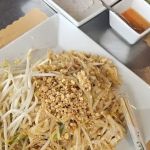 Thai Star Restaurant4.0 (242 reviews)
 Aileen Thai5.0 (51 reviews)
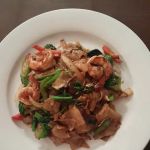 Hi-So Thai4.0 (347 reviews)
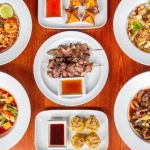 SPICE THAI BISTRO 25.0 (3 reviews)
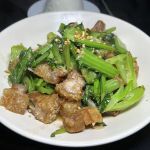 Prem Thai Restaurant and Noodle Bar4.0 (333 reviews)
 Thai Food for Late-Night Cravings: Simple, Tasty & Quick
 Thai Food Ingredient Spotlight: Kaffir Lime Leaves & Their Unique Aroma
 How to Make Thai Food That’s One-Pot & One-Pan Friendly
 How to Make Thai Peanut Sauce from Scratch (and Use It Everywhere)
 The Best Thai Food Recipes for Weeknight Meal Swaps | Thai Food
 How to Make Thai Food at Home with Minimal Equipment