
- #Why-Galangal-and-Ginger-Are-Often-Confused
- #Thai-Food-Ingredient-Guide-Galangal-vs-Ginger-Flavor-and-Appearance
- #How-Each-Ingredient-Is-Used-in-Authentic-Thai-Cooking
- #When-You-Can-Substitute-Ginger-for-Galangal
- #A-Real-Cooking-Story-From-a-Home-Kitchen
- #Tips-for-Shopping-and-Storing-These-Ingredients
- #How-Flavors-Change-Your-Final-Dish
- #Exploring-Authentic-Thai-Ingredients-and-Resources
Why Galangal and Ginger Are Often Confused
For many home cooks in the United States, starting a journey into Thai cuisine brings an important question: what exactly is the difference between galangal and ginger? This Thai food ingredient guide: galangal vs ginger – know the difference helps explain why these two roots look similar but play very different roles in cooking.

1. Similar Appearance at First Glance
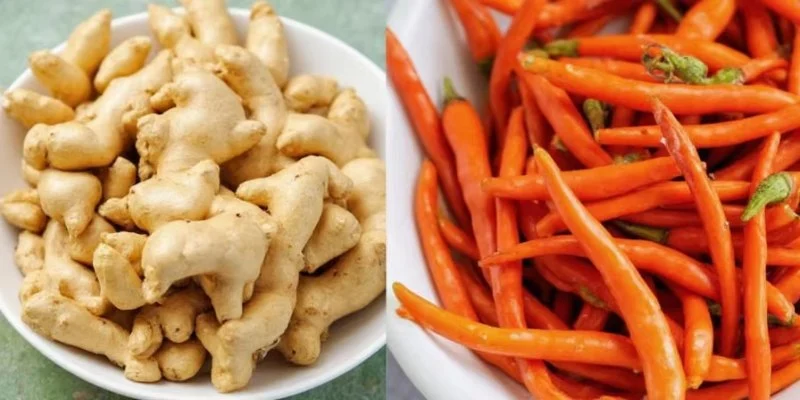
Both galangal and ginger are knobby roots with light brown skin. At the grocery store, they can look almost identical, especially to someone new to Thai cooking.

Phu-Ket Thai Restaurant
BostonSuffolk CountyMassachusetts
1856 Centre St #1901, West Roxbury, MA 02132, USA
2. A Common Beginner Mistake
Many people trying to cook Thai dishes for the first time assume they can use either ingredient interchangeably. While that sometimes works, the flavour outcome can be quite different.
3. Why Understanding the Difference Matters
Learning the difference between galangal and ginger can help create more authentic Thai flavors and improve confidence in the kitchen.
Thai Food Ingredient Guide: Galangal vs Ginger – Flavor and Appearance
Understanding how these ingredients differ is the key to using them correctly in Thai cooking ingredients explained through everyday experience.
1. Flavor Profile Differences
Ginger has a warm, slightly spicy and sweet taste. Galangal, on the other hand, is sharper and more citrus-like, with a hint of pine. This distinct flavour is a signature element in many Thai soups and curries.
2. Texture and Structure
Galangal tends to be firmer and denser than ginger. It can be more difficult to slice, which often surprises first-time users.
3. Aroma Comparison
While ginger smells warm and earthy, galangal has a fresher, brighter scent. That aroma plays a major role in traditional Thai dishes.
How Each Ingredient Is Used in Authentic Thai Cooking
Both roots have their place in the kitchen, but they serve different purposes depending on the dish. Understanding how to use galangal in Thai food helps recreate authentic flavors at home.
1. Galangal in Soups and Curries
Galangal is often used in broths to create a fragrant base. It adds depth without overpowering other ingredients.
2. Ginger in Stir-Fries and Quick Dishes
Ginger works well in dishes where a warm, spicy note is desired. It blends easily into sauces and marinades.
3. Building Layers of Flavor
Thai cooking focuses on balance. Using the right root helps achieve the traditional taste that defines many dishes.
When You Can Substitute Ginger for Galangal
Many home cooks ask if ginger substitute in Thai recipes works when galangal is hard to find. The answer depends on the dish and expectations.
1. Acceptable in Certain Situations
If galangal is unavailable, ginger can provide a similar base flavor, especially in everyday home cooking.
2. Noticeable Taste Differences
While ginger can work as a replacement, the final dish may lack the bright citrus note that galangal provides.
3. Balancing the Flavor
Some cooks add a touch of lime or lemon when using ginger to recreate part of galangal’s unique taste.
A Real Cooking Story From a Home Kitchen
A home cook in New York once shared their experience trying to recreate a Thai soup they had enjoyed while traveling. They followed a recipe but used ginger instead of galangal because it was easier to find.
1. The First Attempt
The soup was still delicious, but something felt slightly different from what they remembered.
2. The Discovery
Later, they found fresh galangal at a local market and tried the recipe again. The difference in aroma and brightness was immediately noticeable.
3. The Lesson Learned
This experience showed how small ingredient changes can have a big impact on flavor authenticity.
Tips for Shopping and Storing These Ingredients
Knowing how to choose and store these roots can make cooking easier and help preserve freshness.
1. Choosing Fresh Roots
Look for firm pieces with smooth skin. Avoid roots that feel soft or dry.
2. Storage Methods
Both ginger and galangal can be kept in the refrigerator to maintain freshness for longer periods.
3. Preparing for Cooking
Slicing thin pieces allows the flavors to infuse more effectively into broths and sauces.
How Flavors Change Your Final Dish
Understanding Thai cooking ingredients explained through hands-on experience can help improve results over time.
1. Small Details Make a Big Difference
Using galangal instead of ginger can subtly shift a dish from familiar to authentic.
2. Building Confidence in the Kitchen
Learning how ingredients affect taste helps home cooks feel more comfortable experimenting.
3. Developing a Personal Cooking Style
Some people enjoy blending both ingredients in different ways to create unique flavors.
Exploring Authentic Thai Ingredients and Resources
As interest in Thai cuisine continues to grow across the United States, more people are exploring authentic ingredients and learning how small details can transform a dish. Understanding the difference between galangal vs ginger is just one step toward mastering traditional flavors.
1. Keep Learning Through Experience
The more you cook, the easier it becomes to recognize how each ingredient shapes the final result.
2. Try New Recipes Gradually
Experimenting with different dishes helps build familiarity with authentic Thai ingredients.
3. Discover Helpful Sources
Many home cooks explore Thai Food to find ingredients, cooking ideas, and inspiration that help bring authentic Thai flavors into their kitchens with confidence.


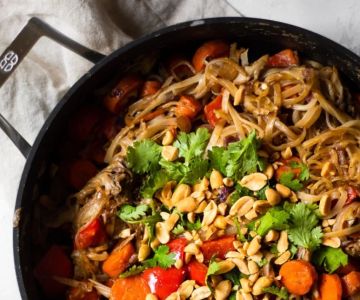
 Chiangmai Thai Restaurant4.0 (350 reviews)
 Thai Star Restaurant4.0 (242 reviews)
 Aileen Thai5.0 (51 reviews)
 Hi-So Thai4.0 (347 reviews)
 SPICE THAI BISTRO 25.0 (3 reviews)
 Prem Thai Restaurant and Noodle Bar4.0 (333 reviews)
 Thai Food for Late-Night Cravings: Simple, Tasty & Quick
 Thai Food Ingredient Spotlight: Kaffir Lime Leaves & Their Unique Aroma
 How to Make Thai Food That’s One-Pot & One-Pan Friendly
 How to Make Thai Peanut Sauce from Scratch (and Use It Everywhere)
 The Best Thai Food Recipes for Weeknight Meal Swaps | Thai Food
 How to Make Thai Food at Home with Minimal Equipment