
- 1- What is Thai Peanut Sauce?
- 2- Essential Ingredients for Thai Peanut Sauce
- 3- Step-by-Step Guide to Making Thai Peanut Sauce
- 4- How to Use Thai Peanut Sauce in Dishes
- 5- Tips for Storing Thai Peanut Sauce
- 6- Explore More Thai Recipes at Thai Food
1. What is Thai Peanut Sauce?
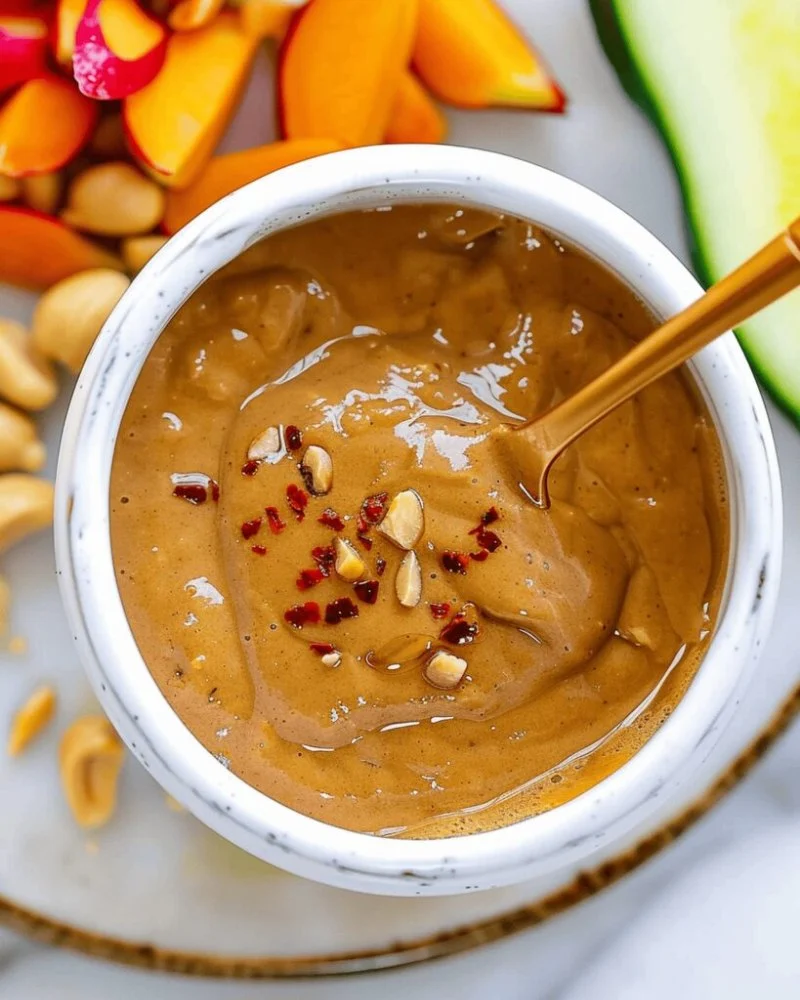
Thai peanut sauce is a creamy, flavorful sauce that plays a central role in many Thai dishes. Made with peanut butter or ground peanuts, it’s often combined with other ingredients such as soy sauce, lime juice, garlic, and spices to create a rich and slightly spicy condiment. Its versatility makes it perfect for everything from dipping fresh spring rolls to dressing up salads or drizzling over grilled meats and vegetables.
What makes Thai peanut sauce stand out is the balance of flavors it offers: the nuttiness of the peanuts, the saltiness of the soy sauce, the tanginess from lime, and the sweetness from sugar or coconut milk. These flavors come together to create a deliciously satisfying sauce that can complement a variety of dishes.
2. Essential Ingredients for Thai Peanut Sauce
Making Thai peanut sauce at home is incredibly easy, and with a few basic ingredients, you can whip up a sauce that rivals what you find at Thai restaurants. Here’s what you’ll need:
- Peanut Butter: The base of the sauce is smooth peanut butter, which adds a rich, creamy texture. Opt for natural peanut butter without added sugar or preservatives for the best flavor.
- Soy Sauce: This salty ingredient adds depth and umami to the sauce. You can use regular or low-sodium soy sauce depending on your taste preference.
- Lime Juice: Fresh lime juice gives the sauce a zesty kick, balancing the richness of the peanut butter.
- Garlic: Fresh garlic adds a pungent, savory flavor that enhances the sauce’s complexity.
- Ginger: A small amount of freshly grated ginger adds a subtle heat and a fragrant note to the sauce.
- Honey or Sugar: A touch of sweetness from honey or sugar helps balance out the salty and tangy elements of the sauce.
- Coconut Milk (optional): For a creamier consistency and a slight tropical flavor, you can add coconut milk. This is especially great for curries or as a dipping sauce for grilled foods.
- Chili Paste or Sriracha (optional): For a bit of heat, add some chili paste or sriracha. This is entirely optional, depending on your spice tolerance.
3. Step-by-Step Guide to Making Thai Peanut Sauce
Making Thai peanut sauce from scratch is simple and takes only a few minutes. Follow these steps to create a smooth, flavorful sauce:
- Combine the Peanut Butter and Soy Sauce: In a bowl, combine 1/2 cup of smooth peanut butter with 1/4 cup of soy sauce. Stir well to blend the two ingredients together.
- Add the Lime Juice and Garlic: Add 2 tablespoons of fresh lime juice and 2 cloves of minced garlic to the mixture. Stir to combine.
- Incorporate Sweetener and Ginger: Stir in 1 tablespoon of honey (or sugar) and 1 teaspoon of grated fresh ginger. Adjust the sweetness based on your preference.
- Mix in Coconut Milk and Chili Paste (Optional): If using, add 2 tablespoons of coconut milk to create a creamier texture. If you like a bit of heat, add 1 teaspoon of chili paste or sriracha. Stir until everything is well combined.
- Adjust the Consistency: If the sauce is too thick, you can thin it out by adding a small amount of water or more coconut milk. Stir until you reach your desired consistency.
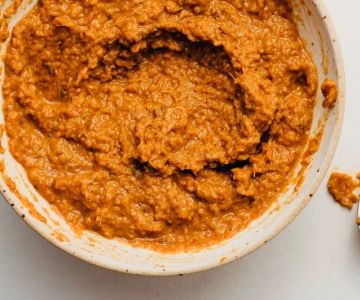
Your homemade Thai peanut sauce is now ready to use! It should have a creamy texture with a perfect balance of salty, sweet, sour, and spicy flavors.

4. How to Use Thai Peanut Sauce in Dishes
Thai peanut sauce is incredibly versatile and can be used in a variety of dishes. Here are some ideas for how to incorporate it into your meals:
- As a Dip: Serve it as a dip for fresh spring rolls, crispy chicken skewers, or roasted vegetables. The creamy texture and complex flavors make it the perfect accompaniment for dipping.
- On Noodles: Toss Thai peanut sauce with rice noodles or soba noodles for a quick and flavorful dish. Add some vegetables or grilled chicken for a complete meal.
- As a Salad Dressing: Thin the sauce with a little water or coconut milk and use it as a dressing for Asian-inspired salads with greens, cabbage, and herbs.
- In Stir-Fries: Use Thai peanut sauce as a stir-fry sauce for vegetables, tofu, or chicken. It adds depth and richness to the dish.
- In Curries: For a twist on traditional Thai curries, add a spoonful of peanut sauce to the curry base. It adds creaminess and a nutty flavor to the dish.
5. Tips for Storing Thai Peanut Sauce
Thai peanut sauce is easy to store and can last for several days in the fridge. Here are a few tips for storing it:
- Store in an Airtight Container: After making your peanut sauce, transfer it to an airtight container. This will help preserve the flavors and prevent it from drying out.
- Refrigerate: Keep the sauce in the refrigerator, where it will stay fresh for about 5-7 days. Before using it, give it a good stir as the ingredients may separate over time.
- Freeze for Longer Storage: If you have leftover sauce, you can freeze it for up to a month. Simply portion the sauce into freezer-safe containers and thaw it in the fridge when you’re ready to use it.
6. Explore More Thai Recipes at Thai Food
If you’re looking to incorporate more authentic Thai flavors into your cooking, check out Thai Food for a wide selection of recipes. From delicious curries to savory stir-fries and sweet desserts, we offer everything you need to create authentic Thai meals at home.
Visit Thai Food today to discover more mouthwatering recipes and the best ingredients for your Thai culinary adventures.

 Pho &Thai Westborough4.0 (132 reviews)
 Anon's4.0 (12 reviews)
 The Taste Thai Cuisine4.0 (177 reviews)
 Chorn Thong4.0 (65 reviews)
 Thai Garden4.0 (869 reviews)
 Bangklyn East Harlem4.0 (276 reviews)
 Thai Food for Game Day: Crowd-Pleasing Dishes with a Thai Twist
 Thai Food and Culture: How Food Reflects Thai Traditions
 How to Make Thai Food That’s Cozy Enough for Winter Nights
 The Best Thai Food Recipes for Vegans Who Miss Bold Flavors
 The Best Thai Food Recipes for Hosting Friends & Family
 The Best Thai Food Restaurants in Kansas City for Hidden Gems