
- 1. What is Lemongrass and Why It’s Essential in Thai Cooking
- 2. How to Use Lemongrass in Thai Dishes
- 3. Perfect Pairings for Lemongrass in Thai Recipes
- 4. Proper Storage Techniques for Fresh Lemongrass
- 5. Conclusion: Elevate Your Thai Cuisine with Lemongrass
1. What is Lemongrass and Why It’s Essential in Thai Cooking
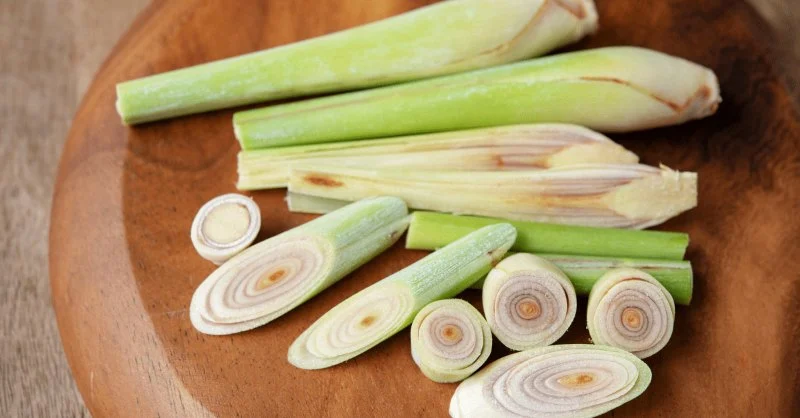
Lemongrass is a fragrant herb that plays a crucial role in Thai cuisine. It’s known for its citrusy aroma and fresh, zesty flavor, which adds a bright note to various Thai dishes. This tropical grass, native to Southeast Asia, is used both in cooking and for making infusions. In Thai cooking, lemongrass is essential for imparting a unique taste that complements the rich, spicy flavors typical of Thai dishes.

Xay’s Kitchen Laos & Thai Cuisine
OrangeSouth Central Connecticut Planning RegionConnecticut
500 Boston Post Rd Unit 4, Orange, CT 06477, USA
1.1 The Role of Lemongrass in Thai Flavors
In Thai dishes, lemongrass is often used as a key flavoring ingredient in curries, soups, and stir-fries. Its citrusy sharpness balances the heat of chilies and the richness of coconut milk. Additionally, lemongrass can be used fresh, dried, or as an oil, each bringing its own subtle variation to dishes.
1.2 Health Benefits of Lemongrass
Beyond its culinary uses, lemongrass is also known for its health benefits. It has antioxidant properties and is often used in traditional medicine to help with digestion, reduce inflammation, and alleviate stress. As a result, it not only adds flavor but also contributes to the nutritional value of Thai meals.
2. How to Use Lemongrass in Thai Dishes
Using lemongrass in cooking might seem tricky at first, but once you understand its preparation, you’ll find it easy to incorporate into your Thai recipes. Here’s how to make the most of this versatile ingredient:
2.1 Preparing Fresh Lemongrass
Fresh lemongrass has a tough outer layer that needs to be peeled away before use. To prepare it, cut off the top and bottom ends, then peel away the outer layers until you reach the softer, more fragrant core. The core is what you’ll use in cooking. You can slice it thinly or bruise it with a knife to release more flavor for soups and curries.
2.2 Lemongrass in Soups and Curries
Lemongrass is a classic addition to many Thai soups, such as Tom Yum and Tom Kha. The stalks are often tied in knots and added to the soup base for flavor. In curries, you can chop lemongrass and add it to the paste for a fragrant kick that balances out the spice and creaminess of the coconut milk.
2.3 Lemongrass for Marinades and Stir-fries
Lemongrass also works wonderfully in marinades, where it imparts a fresh citrus flavor to meats and seafood. In stir-fries, finely chopped lemongrass can be sautéed along with other ingredients, infusing the dish with its aromatic oils and brightening the flavors.
3. Perfect Pairings for Lemongrass in Thai Recipes
Lemongrass is an incredibly versatile herb that pairs well with a wide range of ingredients. Here are some classic pairings you’ll often find in Thai dishes:
3.1 Lemongrass and Coconut Milk
The combination of lemongrass and coconut milk is a hallmark of many Thai curries and soups. The richness of the coconut milk complements the bright, citrusy flavor of lemongrass, resulting in a harmonious balance that’s creamy yet aromatic.
3.2 Lemongrass and Chilies
The zesty sharpness of lemongrass provides a counterpoint to the heat of chilies in Thai cooking. Together, they create a dynamic balance of flavors that make Thai food so unique. This combination is often found in spicy soups and stir-fries.
3.3 Lemongrass and Garlic
Lemongrass and garlic are a classic pairing in Thai cuisine. While garlic provides a savory depth, lemongrass adds a fresh, citrusy note, brightening up the overall flavor profile of a dish. This duo is often found in stir-fries, curries, and marinades.
4. Proper Storage Techniques for Fresh Lemongrass
Fresh lemongrass is highly perishable, but with the right storage techniques, you can extend its shelf life and keep it fresh for longer.
4.1 Storing Fresh Lemongrass in the Refrigerator
If you have leftover fresh lemongrass, store it in the fridge. Place the stalks in a plastic bag or wrap them in a damp paper towel and put them in the vegetable drawer. They should stay fresh for about a week. Alternatively, you can place the stalks in a glass of water and keep them on the counter, changing the water every couple of days.
4.2 Freezing Lemongrass for Long-Term Storage
If you have a large amount of lemongrass that you won’t use in the near future, freezing is an excellent option. Simply chop the lemongrass into pieces, place it in a freezer bag, and store it in the freezer. Frozen lemongrass can be used directly from the freezer in soups, stews, and curries.
4.3 Drying Lemongrass
For longer-term storage, lemongrass can be dried. Hang the stalks in a dry, well-ventilated area or use a food dehydrator. Once dried, store the lemongrass in an airtight container and use it in teas or as a seasoning for dishes where the fresh flavor isn’t as critical.
5. Conclusion: Elevate Your Thai Cuisine with Lemongrass
Lemongrass is an essential ingredient in Thai cuisine, offering a unique balance of citrusy, savory, and aromatic flavors that elevate a wide variety of dishes. By understanding how to use, pair, and store lemongrass, you can bring the authentic taste of Thailand into your kitchen and take your cooking to the next level. Ready to explore more Thai ingredients and recipes? Visit Thai Food for expert advice and the best products to enhance your culinary creations.
 Tommy Thai3.0 (169 reviews)
 Sup Thai Kitchen4.0 (970 reviews)
 Jeen Bistro5.0 (2 reviews)
 Phở O Sha | Thai-Vietnamese Restaurant4.0 (377 reviews)
 Betong Hainan Chicken3.0 (213 reviews)
 Vientiane Thai Cuisine4.0 (238 reviews)
 How to Make Thai Food That’s Ready in Under 20 Minutes Without Losing Real Thai Flavor
 The Best Thai Food Restaurants in Boise for Hidden Gems
 Thai Food for Baby Boomers: Healthy Thai Dishes That Still Excite the Palate
 Thai Food for Date Night In: Candlelight + Curry for the Perfect Evening
 How to Make Thai Food That’s Perfect for Leftover Chicken or Tofu
 The Best Thai Food Recipes for Holiday Entertaining & Leftovers