1. Why Sweetness Plays a Key Role in Thai Food
In Thai cuisine, sweetness is never meant to stand alone. It exists to balance salt, spice, and acidity. Understanding this balance is essential before comparing palm sugar vs brown sugar. In many Thai dishes, sugar softens heat, rounds out sour notes, and brings harmony rather than dessert-like sweetness.
For American home cooks, sweetness can sometimes feel like an afterthought. In Thai food, however, it is a structural element, and the type of sugar used can noticeably affect the final result.

2. Understanding Palm Sugar in Traditional Thai Cooking
2.1 Flavor Profile and Texture
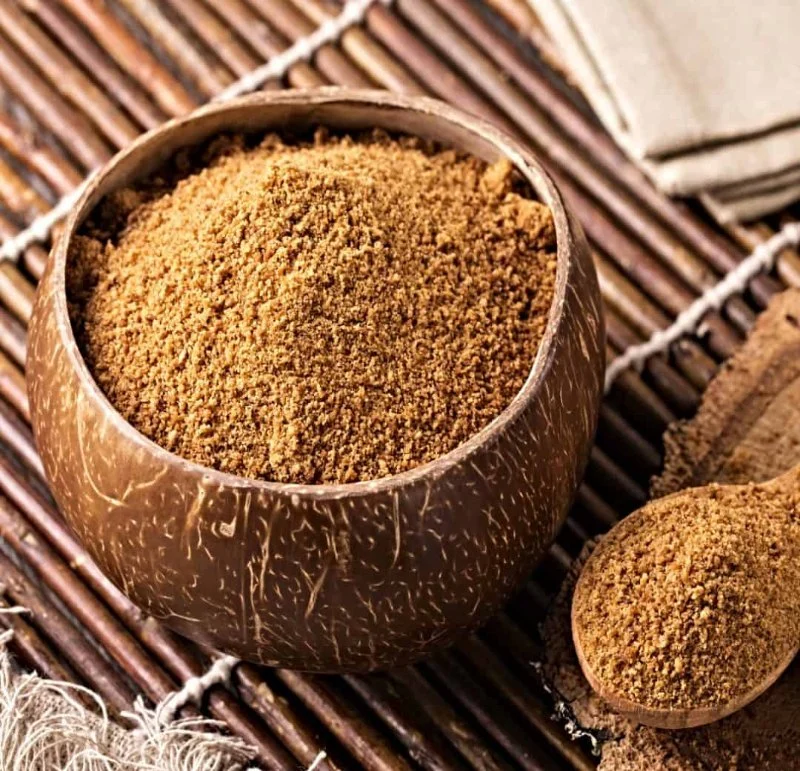
Palm sugar is made from the sap of palm trees and has a naturally complex flavor. Instead of sharp sweetness, it offers caramel, toffee, and lightly smoky notes. In Thai food, this depth helps dishes feel rounded rather than sugary.
2.2 How Palm Sugar Behaves When Cooked
Palm sugar melts smoothly and blends easily into sauces and curries. Its softer sweetness integrates well, especially in dishes like stir-fries and dipping sauces where balance is critical.
3. How Brown Sugar Fits Into Thai Recipes
3.1 Accessibility and Familiarity
Brown sugar is far more accessible in US kitchens, making it a common substitute. Its molasses content gives it some depth, which is why it often works better than white sugar in Thai recipes.
3.2 Limitations in Flavor Balance
While brown sugar can provide sweetness, it tends to be more assertive. In delicate Thai sauces, it may dominate rather than support other flavors, especially if used without adjustment.
4. Palm Sugar vs Brown Sugar in Real Thai Dishes
4.1 Stir-Fries and Sauces
In quick-cooked dishes, palm sugar dissolves gently and enhances savory elements. Brown sugar can work, but often needs to be used in smaller amounts to avoid overpowering the dish.
4.2 Curries and Slow-Cooked Recipes
In curries, palm sugar contributes subtle sweetness that builds over time. Brown sugar can still function, but the flavor profile may feel heavier or less nuanced after simmering.
5. Real Stories From Chefs and Home Cooks
A Thai-American chef in Los Angeles once shared how switching from brown sugar to palm sugar changed customer feedback almost immediately. Diners described the food as more balanced and less sweet, even though the sugar quantity stayed nearly the same.
Home cooks across US food communities often share similar experiences. Many report that once they try palm sugar, they begin using less sweetener overall because the flavor feels more complete.
6. Choosing the Right Sugar for Your Kitchen
6.1 When Palm Sugar Makes the Most Sense
If authenticity and balance are priorities, palm sugar is the better choice for most Thai food. It shines in sauces, curries, and dishes where sweetness should support rather than lead.
6.2 When Brown Sugar Is a Practical Option
Brown sugar remains a reasonable alternative, especially for beginners or quick cooking. Adjusting quantities and tasting as you go can help achieve better balance when palm sugar is unavailable.
7. Where to Find Quality Thai Ingredients
For those looking to explore authentic ingredients more deeply, Thai Food offers a helpful way to discover suitable products and ingredient sources tailored to Thai cooking.
In the debate of palm sugar vs brown sugar, the answer isn’t about strict rules but understanding flavor intent. Knowing how each sugar behaves allows cooks to make confident choices and create Thai dishes that feel balanced, satisfying, and true to their roots.
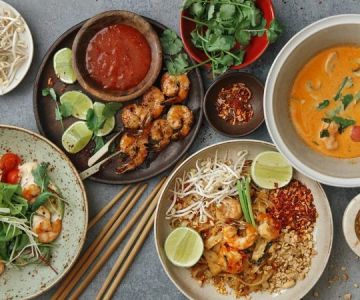
 Khaosan4.0 (938 reviews)
 Thai O'Brien's Bar & Restaurant4.0 (277 reviews)
 Wild Ginger4.0 (169 reviews)
 Thai Pepper4.0 (398 reviews)
 Thai Kitchen 44.0 (181 reviews)
 ZAAB ZAAB4.0 (306 reviews)
 The Best Thai Food Recipes for Hosting Friends Without Stress
 How to Make Thai Food That’s Microwave-Friendly for Quick Meals
 Thai Food for Holiday Brunch: Thai-Inspired Morning Treats
 Thai Food Ingredient Spotlight: Holy Basil vs Sweet Basil — What’s the Difference?
 Thai Food Ingredient Swap Guide: Soy Sauce vs Fish Sauce & When to Use Each
 The Best Thai Food Restaurants in San Francisco for Best Value