
- why-shrimp-paste-is-used-in-thai-food
- best-vegetarian-alternatives-to-shrimp-paste
- how-to-replace-shrimp-paste-in-thai-recipes
- delicious-vegetarian-thai-recipes-without-shrimp-paste
- tips-for-creating-authentic-flavor-with-vegan-ingredients
1. Why Shrimp Paste is Used in Thai Food
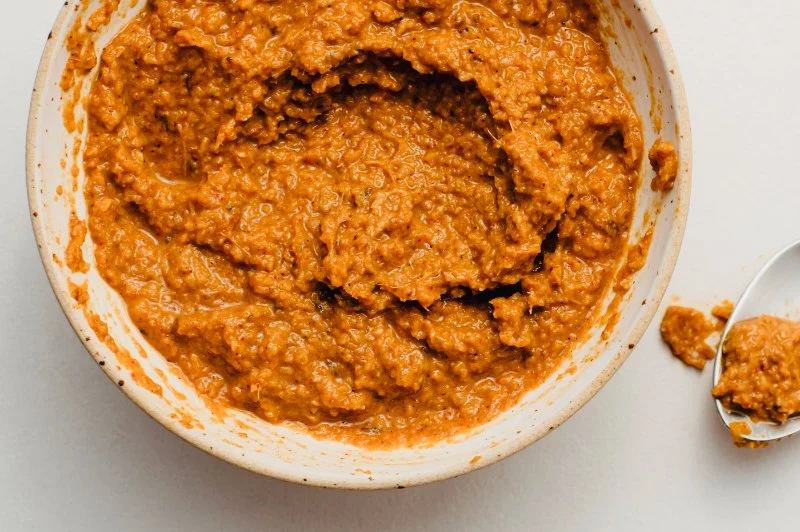
Shrimp paste, or "kapi," is a fundamental ingredient in traditional Thai cuisine. It’s a fermented condiment made from shrimp and salt, commonly used in Thai curries, sauces, and stir-fries. The unique salty, umami flavor of shrimp paste adds depth and richness to many dishes, contributing to the signature balance of spicy, salty, sweet, and sour that characterizes Thai food.

1.1 Enhancing Umami Flavor
Umami, the savory fifth taste, is one of the most important aspects of Thai cooking. Shrimp paste delivers this umami by adding a complex, salty profile to dishes. This allows Thai chefs to layer flavors in a way that balances spiciness with sweetness and acidity. For vegetarians, replicating this flavor can be challenging, but there are plenty of plant-based alternatives that do a fantastic job of mimicking shrimp paste’s distinct flavor.

1.2 Common Dishes Using Shrimp Paste
Shrimp paste is often found in curries like green curry or red curry, as well as in sauces like nam prik (chili dip). It’s also used in stir-fries and seafood dishes to bring out the natural flavors of the other ingredients. For vegetarians looking to replicate these dishes, swapping out shrimp paste without compromising on flavor is key.
2. Best Vegetarian Alternatives to Shrimp Paste
For vegetarians or those looking to avoid seafood, there are several excellent plant-based substitutes for shrimp paste. These alternatives can help maintain the depth and complexity of Thai flavors while keeping your meals completely vegetarian or vegan.
2.1 Miso Paste
Miso paste, especially the darker varieties like red miso, is a great substitute for shrimp paste. It has a strong umami flavor with a salty profile, making it an ideal replacement. While it doesn’t have the exact seafood taste of shrimp paste, it mimics the depth and complexity required in many Thai dishes.
2.2 Soy Sauce and Seaweed
Soy sauce, particularly tamari or dark soy sauce, can add the saltiness and savory profile found in shrimp paste. To replicate the seafood flavor, add a small amount of seaweed, such as nori or wakame, which provides a natural umami taste similar to fish. Combining soy sauce with seaweed will give your dish that oceanic edge without the shrimp.
2.3 Fermented Bean Paste
Fermented bean paste, commonly found in East Asian markets, offers a fermented flavor profile similar to shrimp paste. It’s rich, salty, and savory, making it an excellent replacement in stir-fries, sauces, and soups. You can find it in varieties like black bean paste or yellow bean paste.
2.4 Tamarind Paste
While tamarind paste is not an exact match for shrimp paste’s saltiness, it can add a similar tangy depth to Thai dishes. Tamarind paste works especially well in curries and sauces, bringing an acidic complexity that balances other bold flavors. You can combine tamarind paste with soy sauce or miso to enhance the overall flavor.
3. How to Replace Shrimp Paste in Thai Recipes
Now that you have several shrimp paste alternatives, it’s time to integrate them into your Thai recipes. Here’s how you can swap out shrimp paste while maintaining the authenticity of your dishes.
3.1 Adjusting for Saltiness
When replacing shrimp paste, be mindful of the saltiness of your substitute. Shrimp paste can be quite salty, so start by using a smaller amount of your substitute, then taste and adjust as necessary. Miso and soy sauce are particularly salty, so a little goes a long way. Consider adding other seasonings, such as lime juice or chili, to balance the flavors.
3.2 Combining Ingredients for Depth
To create a more complex umami profile, try combining two or more alternatives. For example, you can mix miso paste with tamarind paste and a bit of soy sauce to create a multi-layered flavor that mimics the depth of shrimp paste. This is particularly effective in curries or soups where the sauce needs to carry rich flavors.
3.3 Incorporating Other Thai Ingredients
In addition to your shrimp paste substitute, include other traditional Thai ingredients like fresh lemongrass, kaffir lime leaves, and galangal to ensure the dish retains its authentic Thai character. These fresh ingredients will add fragrant, zesty notes that complement the umami of your substitute.
4. Delicious Vegetarian Thai Recipes Without Shrimp Paste
Now that you know how to substitute shrimp paste in your Thai dishes, here are a few vegetarian Thai recipes to try:
4.1 Vegetarian Green Curry
A classic green curry can be easily made vegetarian by using tofu or vegetables instead of meat. Replace the shrimp paste with a mixture of miso paste and tamarind paste to maintain the savory, rich flavors. The coconut milk base adds creaminess, while the green curry paste brings the heat and spice.
4.2 Pad Thai with Tofu
For a vegan twist on pad Thai, use tamarind paste and soy sauce as a substitute for the traditional shrimp paste. Add tofu, bean sprouts, and peanuts, and you’ll have a satisfying, plant-based version of this popular Thai dish.
4.3 Thai Veggie Stir-Fry
A Thai stir-fry is a quick and easy dish that can be tailored to your preferences. Use a mix of soy sauce, miso, and a dash of seaweed to replace shrimp paste in the stir-fry sauce. Add your favorite vegetables, such as bell peppers, mushrooms, and bok choy, for a colorful and flavorful meal.
5. Tips for Creating Authentic Flavor with Vegan Ingredients
While substituting shrimp paste with vegan ingredients may require a few adjustments, you can still achieve authentic Thai flavors with these helpful tips:
5.1 Balance the Flavors
Thai cuisine is all about balancing the four main flavors: spicy, salty, sweet, and sour. When replacing shrimp paste, be sure to adjust each flavor profile to keep the dish well-rounded. Add sugar, lime juice, or vinegar as needed to balance out the saltiness of your substitute.
5.2 Use Fresh Ingredients
Fresh herbs like cilantro, basil, and mint are key to bringing authentic Thai flavors to life. Make sure to use fresh ingredients whenever possible, as they contribute to the bright, aromatic quality that defines Thai cuisine.
5.3 Experiment and Adjust
Cooking Thai food without shrimp paste is an opportunity to experiment and find the right combinations for your taste. Don’t be afraid to adjust your ingredients as you go. Taste your dishes frequently and tweak the seasoning until you find the perfect balance.
Whether you're a seasoned Thai food lover or new to plant-based cooking, these shrimp paste alternatives will help you enjoy the authentic flavors of Thai cuisine in a vegetarian-friendly way. For more inspiration and ingredient recommendations, be sure to check out Thai Food for the best products and services to enhance your culinary adventures.

 Thank you come again (Midtown East!)2.0 (35 reviews)
 Riceberry Thai4.0 (109 reviews)
 the AM-THAI Williamsburg4.0 (735 reviews)
 Thai Dish4.0 (234 reviews)
 Thai Den Restaurant4.0 (415 reviews)
 Rice Factory Thai Restaurant4.0 (611 reviews)
 How to Make Low-Carb Thai Food Without Losing Flavor
 The Best Thai Food Recipes for Cheese-Lovers (Yes, There Are Thai Dishes)
 The Best Thai Food Podcasts to Listen to While Cooking
 A Guide to Ordering Thai Food Delivery in the U.S. Like a Pro
 Thai Food for Summer: Light, Fresh & Flavor-Packed Recipes
 How to Make Thai Food That’s Great With Leftovers & Fridge Staples