1. Why Thai Food Is Perfect for All Skill Levels
Thai food is a wonderful choice for both beginners and experienced chefs. The cuisine offers a rich array of flavors — from the tangy taste of tamarind to the spice of chili peppers — that can be tailored to suit anyone's cooking abilities. For beginners, Thai dishes are relatively simple and require a few basic techniques. For professionals, the complex flavor layering and authentic methods make it a rewarding challenge. Whether you're just starting or looking to expand your culinary repertoire, Thai cooking is accessible, fun, and full of flavor.

Hungry Thai (Amity)
WoodbridgeSouth Central Connecticut Planning RegionConnecticut
16 Selden St, Woodbridge, CT 06525, USA
2. Key Ingredients You Need to Make Thai Food
To start cooking Thai food at home, there are a few key ingredients you'll need to stock in your kitchen. These ingredients are the foundation for many authentic Thai dishes, and having them on hand will make your cooking process much smoother. Here's a list of the essentials:
1. Fish Sauce
Fish sauce is a staple in Thai cooking, providing a deep umami flavor to many dishes. It's used in curries, stir-fries, and even sauces. While it may seem unfamiliar at first, its salty, savory flavor adds depth to your Thai dishes.
2. Coconut Milk
Coconut milk is the base of many Thai soups and curries. It adds creaminess and a subtle sweetness that balances the spices in the dish. You can use full-fat or light coconut milk depending on your preferences.
3. Lemongrass
Lemongrass has a fresh, citrusy flavor and is commonly used in Thai soups and curries. It's best to crush or bruise the stalks to release their aroma and flavor before using them in your cooking.
4. Thai Basil
Thai basil has a distinct peppery, anise-like flavor that adds a unique touch to stir-fries, curries, and salads. It’s different from sweet basil, so be sure to use the correct variety in your dishes.
5. Chili Peppers
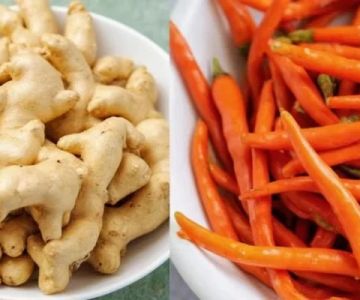
Chili peppers are essential for adding heat and spice to Thai food. Depending on your spice tolerance, you can adjust the number and type of chilies you use in your dishes. Thai birds-eye chilies are particularly potent.
3. Simple Thai Recipes for Beginners
If you're just starting out, there are plenty of easy Thai recipes that don’t require advanced cooking skills but still deliver great flavors. Here are a couple of beginner-friendly dishes that are sure to impress:
1. Thai Green Curry
Thai Green Curry is a flavorful, fragrant dish made with green curry paste, coconut milk, vegetables, and your choice of meat or tofu. The beauty of this dish lies in the simplicity of its preparation. Just simmer the ingredients in a pot, and you'll have a delicious meal in no time. Adjust the spiciness with chili peppers to suit your preference.
2. Pad Thai
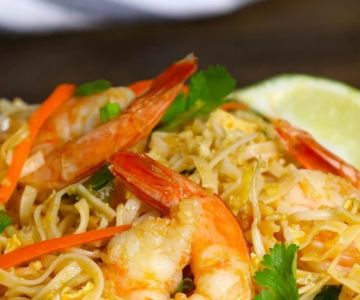
Pad Thai is a classic stir-fried noodle dish with a balanced combination of sweet, sour, salty, and spicy flavors. This dish requires a simple stir-fry technique, and once you have the ingredients, it’s incredibly easy to make at home. Just toss rice noodles with fish sauce, tamarind, and lime juice, and you have a restaurant-quality dish in minutes!
4. Advanced Thai Dishes for Pros
For those with more experience in the kitchen, Thai food offers many complex dishes that challenge even the most skilled chefs. These dishes require more attention to detail, such as making curry pastes from scratch or balancing multiple flavors. Here are a couple of advanced dishes for those looking to master Thai cooking:
1. Massaman Curry
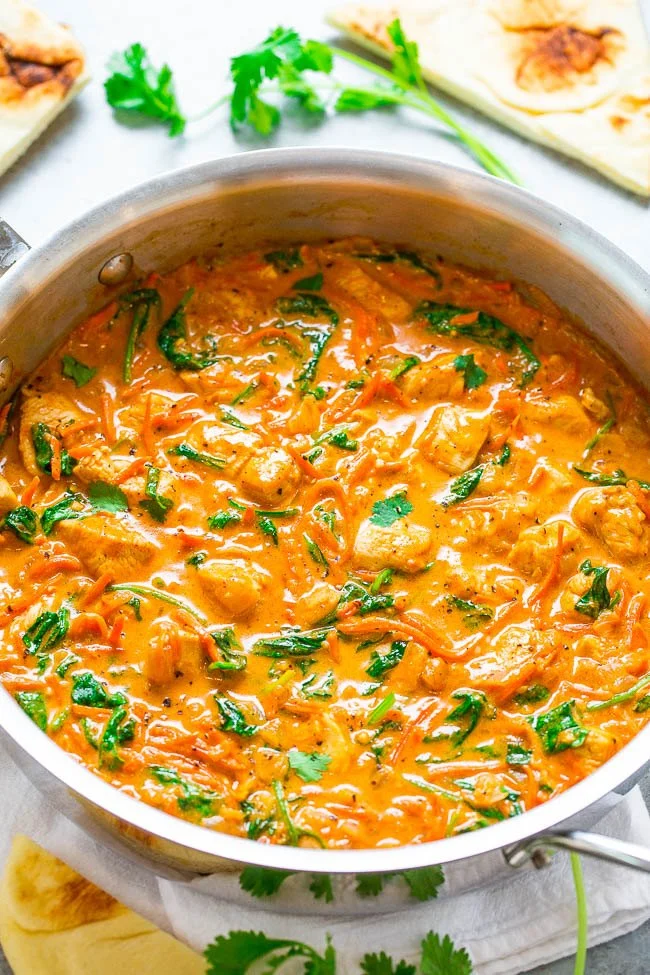
Massaman curry is a rich and fragrant curry with influences from Indian and Persian cuisine. It’s made from scratch with roasted spices, including cinnamon and cumin, which add depth and warmth to the dish. This is a great dish for those who want to challenge their curry-making skills by balancing intricate flavors.
2. Som Tum (Green Papaya Salad)
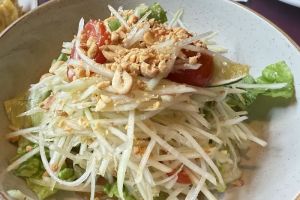
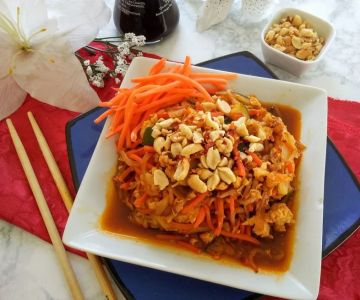
Som Tum is a Thai papaya salad that combines sweet, sour, salty, and spicy elements in one dish. It's made by pounding fresh ingredients in a mortar and pestle to release their flavors. The complexity of this dish lies in achieving the right balance of these flavors, making it an excellent challenge for pros.
5. Tips for Mastering Thai Cooking at Home
Here are some expert tips to help you become a master at Thai cooking:
1. Use Fresh Ingredients
Thai cuisine is all about freshness. Using fresh herbs, vegetables, and spices will enhance the flavors of your dishes. Whenever possible, try to source fresh, authentic ingredients from a local Asian market or specialty store.
2. Balance the Flavors
One of the hallmarks of Thai food is the balance of five key flavors: sweet, sour, salty, spicy, and bitter. As you cook, always taste and adjust your dishes to achieve the perfect balance. This is a critical aspect of Thai cooking and can take some practice to master.
3. Don’t Rush
While Thai food can be quick to prepare, don’t rush the process. Take your time to develop the flavors, especially when making curry pastes or marinades. Patience is key to ensuring your dishes taste as authentic as possible.
If you're ready to dive deeper into Thai cooking or need high-quality ingredients for your kitchen, visit Thai Food for all the best products, tools, and resources to take your Thai food skills to the next level!
 Mango Tree Bistro4.0 (395 reviews)
 Siam Square4.0 (195 reviews)
 Thanaree Thai Kitchen4.0 (59 reviews)
 Eatzy Thai3.0 (597 reviews)
 Nine Thai by Thai Boulevard2.0 (146 reviews)
 Jasmine Rice4.0 (387 reviews)
 How to Make Thai Beef Jerky (Neua Dad Deow) at Home
 The Best Thai Food Recipes for Social Gatherings & Watch Parties
 Thai Food Ingredient Swap: Coconut Sugar vs Palm Sugar — Which to Use?
 How to Make Thai Food That’s Time-Efficient & Flavor-Rich
 Thai Food Ingredient Spotlight: Kaffir Lime Leaves & Their Unique Aroma
 Thai Food Ingredient Guide: Discover the Difference in Thai Oyster Sauce