Why Thai Food Blogs Have Become a Global Culinary Obsession
- global-popularity - how Thai cuisine became one of the world’s most loved food cultures
- blog-influence - the role of food bloggers in preserving and sharing Thai recipes
- cultural-storytelling - how blogs connect food with Thai traditions and daily life
- recipe-access - why home cooks rely on blogs for authentic Thai dishes
- modern-food-trends - how digital platforms shape global Thai food appreciation
In the last decade, Thai cuisine has transformed from a beloved regional specialty into a global culinary phenomenon. From street-side Pad Thai stalls in Bangkok to Michelin-starred Thai restaurants in New York and London, the demand for authentic flavors has skyrocketed. But what truly fuels this global curiosity is the rise of Thai food blogs, where chefs, home cooks, and cultural storytellers share recipes that go far beyond ingredients.
Many readers discover that cooking Thai food at home isn’t just about recipes—it’s about understanding balance: sweet, sour, salty, spicy, and umami. That balance is exactly what makes Thai food blogs so valuable. They bridge the gap between tradition and modern kitchens.

How Thai Food Blogs Preserve Culinary Heritage
1. Passing Down Family Recipes Across Generations
One of the most powerful aspects of Thai cooking culture is its oral tradition. Many recipes were never written down but passed from grandparents to parents to children. Thai food bloggers now play a crucial role in documenting these recipes before they fade away.
For example, a well-known Bangkok-based blogger shared her grandmother’s Massaman curry recipe, which included hand-roasted spices and slow-cooked coconut milk techniques rarely seen in commercial cooking. That single post went viral and inspired thousands of home cooks worldwide to try authentic methods instead of simplified versions.

2. Bringing Street Food Culture into Home Kitchens
Thailand’s street food culture is legendary. From sizzling woks in night markets to fresh mango sticky rice carts, every dish tells a story. Thai food blogs often recreate these dishes step-by-step, making them accessible to international readers.
A popular example is how bloggers break down Pad Kra Pao (basil stir-fry). Instead of just listing ingredients, they explain why Thai holy basil is essential and how wok heat changes the flavor profile. This level of detail helps readers understand not just how to cook, but why it matters.
Readers looking for more authentic inspiration often turn to curated platforms like Thai Food, where recipes and cultural insights are organized for both beginners and experienced cooks.
3. Cultural Storytelling Behind Every Dish
Thai food is deeply connected to festivals, regional identity, and Buddhist traditions. Blogs often highlight these connections, turning simple recipes into cultural lessons.
For instance, during Songkran (Thai New Year), many blogs feature dishes like Khao Chae, a refreshing rice dish symbolizing cleansing and renewal. These stories help global audiences appreciate Thai cuisine beyond taste alone.
What Makes the Best Thai Food Blogs Stand Out
Authenticity Over Simplification
The best blogs avoid overly Westernized shortcuts. Instead, they respect traditional techniques, even if they are more complex. This includes using mortar and pestle methods, balancing fish sauce correctly, and sourcing authentic herbs when possible.
Visual Storytelling and Step-by-Step Guidance
Modern food blogs rely heavily on photography and video. Step-by-step visuals help readers understand textures, cooking stages, and plating styles. A good Thai food blog doesn’t just tell you what to do—it shows you how it should look at every stage.
Regional Diversity in Thai Cuisine
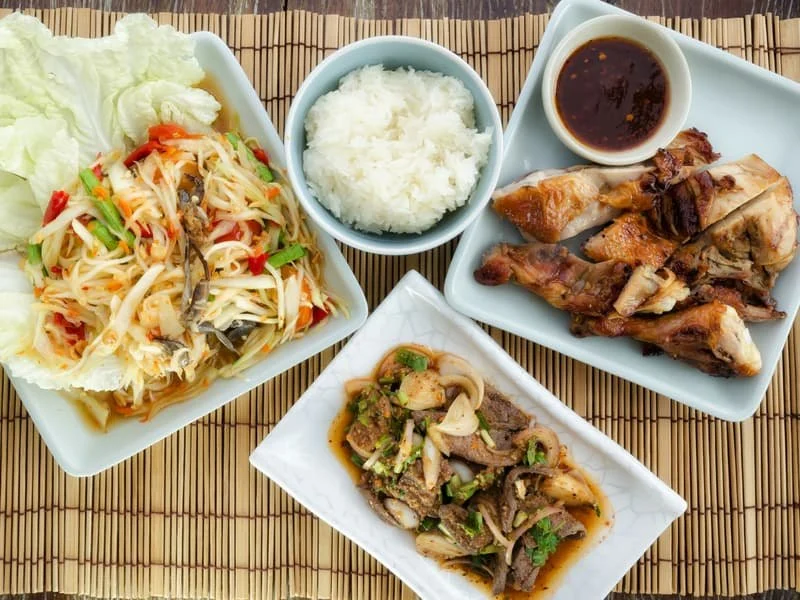
Thailand is not a single culinary identity. Northern Thai food is mild and herbal, Isaan cuisine is spicy and fermented, while Southern dishes are rich in coconut milk and seafood. The best blogs explore these differences instead of generalizing Thai food into a single category.
Real-Life Example: A Home Cook’s Thai Cooking Journey
A home cook in California once shared her journey of learning Thai cuisine through blogs. She started with simple dishes like Tom Yum soup but gradually moved on to complex recipes like Green Curry Paste made from scratch. She explained that what kept her motivated wasn’t just the food—it was the cultural explanations behind each dish she read online.
She eventually began hosting Thai-themed dinner nights, introducing friends to authentic flavors she learned from food bloggers. This is a perfect example of how digital culinary storytelling can influence real-world experiences.
How Thai Food Blogs Shape Global Cooking Trends
Thai food blogs have also influenced restaurant menus worldwide. Many chefs now incorporate traditional Thai techniques into fusion cuisine, while still respecting authenticity. Ingredients like lemongrass, galangal, and kaffir lime leaves have become more widely available due to growing demand.
Interestingly, search trends show that recipes like Thai iced tea, green curry, and som tam (papaya salad) consistently rank among the most searched Asian dishes globally, largely driven by blog content and social sharing.
Why Beginners Should Start With Thai Food Blogs
For beginners, Thai cuisine can feel intimidating due to unfamiliar ingredients. However, blogs simplify the learning curve by offering substitutions, technique breakdowns, and cultural explanations.
Platforms like Thai Food are especially helpful because they combine structured recipes with cultural storytelling, making it easier for readers to progress from simple dishes to advanced cooking.
Practical Tips for Following Thai Food Blogs Effectively
- Start with basic recipes like fried rice or noodle dishes before advancing to curries
- Focus on learning key Thai ingredients and their flavor roles
- Read cultural notes to understand dish origins and traditions
- Practice balancing flavors instead of strictly following measurements
- Experiment gradually with spice levels to match your preference
These strategies help readers not only cook Thai food but also understand its philosophy, which is centered on harmony and balance.
Final Thoughts on Exploring Thai Culinary Blogs
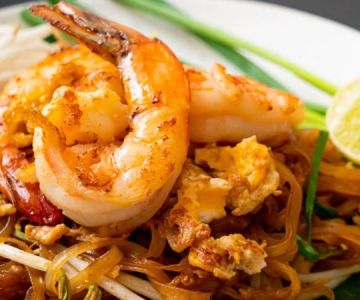
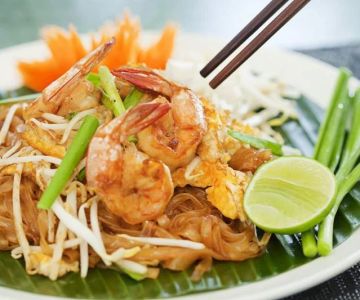
The world of Thai food blogs offers far more than recipes—it provides a gateway into Thailand’s cultural identity, history, and everyday life. Whether you’re learning how to make your first Pad Thai or exploring regional specialties, these blogs bring authentic Thai cuisine into your kitchen in a meaningful way.
For anyone serious about exploring Thai flavors and culture, following trusted resources like Thai Food can turn everyday cooking into a deeply enriching experience filled with discovery, tradition, and creativity.
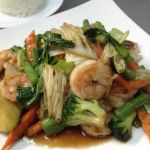 Hub Thai4.0 (266 reviews)
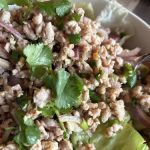 Little Thai Corner4.0 (179 reviews)
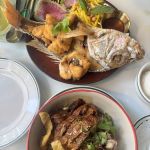 Charoen Krung Thai4.0 (3243 reviews)
 BK Brunch4.0 (157 reviews)
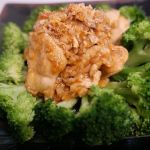 PingYang Thai NJ4.0 (87 reviews)
 Ruby Thai Kitchen3.0 (57 reviews)
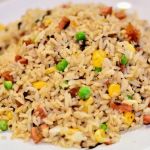 Thai Food for Your Lunch Break: Quick & Healthy Recipes
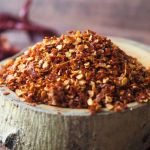 Thai Food Ingredient Guide: Thai Chili Flakes — How Hot Are They Really?
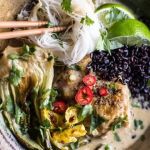 How to Make Thai Food That’s Safe for Major Allergies (Nut-Free, Soy-Free)
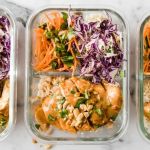 How to Make Thai Food Perfect for Meal Prep
 Thai Food Ingredient Swap: What to Do If You’re Out of Kaffir Lime Leaves
 The Best Thai Food Recipes for Beginner Bakers (Thai Desserts Included)