- #1-understanding-thai-dining-culture-in-america - How Thai food adapts in US restaurants
- #2-key-questions-to-ask-at-thai-restaurants - What to ask before ordering
- #3-spice-levels-and-customization - How to control heat and flavor
- #4-hidden-menu-insights-and-authenticity - What locals know but tourists miss
- #5-real-dining-stories-in-us-thai-restaurants - Experiences from customers
- #6-how-to-read-a-thai-menu-properly - Understanding dishes and ingredients
- #7-etiquette-and-cultural-tips - Respectful and informed dining behavior
- #8-common-mistakes-when-ordering-thai-food - What Americans often misunderstand
- #9-modern-thai-food-travel-experiences - Fusion trends in US cities
- #10-thai-food-resources-and-recommendations - How Thai Food helps diners explore
#1 Understanding Thai Dining Culture in America
Thai food in America has grown from a niche cuisine into one of the most popular Asian dining experiences across major cities like Los Angeles, New York, and Chicago. However, what many diners don’t realize is that Thai restaurants in the US often balance authenticity with local taste preferences.
Understanding this difference is essential when exploring Thai food tips in America. Dishes may be slightly sweeter, less spicy, or adjusted for ingredient availability. Knowing this helps diners ask the right questions and get closer to authentic Thai flavors.
A frequent traveler once shared how his first Thai meal in Bangkok was drastically different from what he had experienced in Texas. The spice level, aroma, and complexity surprised him—but it also taught him how important it is to communicate preferences when ordering Thai food abroad or in local US restaurants.

#2 Key Questions to Ask at Thai Restaurants
One of the most important Thai restaurant ordering guide strategies is knowing what to ask before placing your order. Asking the right questions can completely change your dining experience.
For example, asking “Can this dish be made Thai spicy?” helps you understand the true heat level of a dish. Another useful question is “Is this dish traditionally sweet or savory?” which helps identify whether the dish aligns with authentic Thai cuisine or an Americanized version.
Regular Thai food enthusiasts often ask about ingredients like fish sauce, shrimp paste, or tamarind, especially if they have dietary restrictions or want deeper flavor authenticity.

#3 Spice Levels and Customization
Spice levels are one of the most misunderstood aspects of Thai cuisine in the US. Many restaurants use a 1–5 chili scale, but this scale is not standardized across establishments.
In traditional Thai cooking, spice is not just about heat—it is part of flavor balance. When ordering, it is helpful to ask how the restaurant defines “medium” or “hot,” as interpretations vary widely.
A diner in San Francisco once ordered “medium spicy” pad Thai and received a mild dish, while another location served something extremely hot under the same label. This inconsistency shows why communication is key when enjoying Thai food in America.
#4 Hidden Menu Insights and Authenticity
Many Thai restaurants in the US have off-menu items or “Thai-style” versions of dishes that are not listed on the standard menu. These dishes often reflect more authentic flavors and preparation methods.
Asking “What do Thai people usually order here?” can open the door to more authentic dining experiences. This question often leads to recommendations like boat noodles, som tam variations, or spicy basil stir-fry prepared in traditional ways.
Food bloggers frequently highlight how asking the right question at a restaurant can completely transform the meal, revealing flavors that are closer to what you would find in Bangkok street markets.
#5 Real Dining Stories in US Thai Restaurants
A well-known story from a New York food enthusiast involved a simple question that changed her entire perception of Thai cuisine. She asked a server for the “most authentic dish not on the menu,” and was served a traditional northern Thai curry that she had never seen before.
Another diner in Los Angeles shared how asking about spice levels led to a chef personally adjusting a dish and explaining regional differences between southern and central Thai cooking styles.
These real-life experiences show that curiosity and communication often lead to the best dining discoveries.
#6 How to Read a Thai Menu Properly
Understanding a Thai menu requires more than just recognizing dish names. Many dishes include key ingredients like basil, chili, lemongrass, or coconut milk, which define their flavor profiles.
For example, “Pad Kra Pao” refers to basil stir-fry, while “Tom Yum” indicates a sour and spicy soup base. Recognizing these patterns helps diners make informed choices.
Menus in the US may simplify or translate dishes differently, so asking for clarification ensures you get the authentic version of what you expect.
#7 Etiquette and Cultural Tips
Thai dining etiquette emphasizes sharing, balance, and respect for ingredients. While American dining culture often focuses on individual plates, Thai meals are traditionally shared among groups.
When dining in a Thai restaurant in America, it is polite to ask about portion sizes and sharing options. This enhances the experience and aligns more closely with traditional Thai customs.
Respectful communication with staff also enhances the experience, especially when asking for customization or ingredient details.
#8 Common Mistakes When Ordering Thai Food
One common mistake is assuming all Thai dishes are extremely spicy. While chili is important, many Thai dishes focus more on balance between sweet, sour, salty, and umami flavors.
Another mistake is not asking about ingredient authenticity. Some dishes may be adapted for local tastes, which can affect the flavor profile significantly.
Many first-time diners also overlook asking for recommendations, missing out on signature dishes that are not always highlighted on menus.
#9 Modern Thai Food Travel Experiences
Thai food in America continues to evolve, especially in urban food scenes where chefs experiment with fusion cuisine. Thai tacos, Thai-inspired burgers, and modern noodle bowls are becoming increasingly popular.
A viral food trend in Los Angeles featured Thai iced tea milkshakes, blending traditional flavors with modern dessert concepts. This shows how Thai cuisine adapts while maintaining its core identity.
Travel-inspired dining experiences allow customers to explore Thailand’s culinary diversity without leaving the US.
#10 Thai Food Resources and Recommendations
For diners looking to deepen their understanding of authentic Thai cuisine, Thai Food provides valuable insights, guides, and inspiration to help navigate menus, discover hidden dishes, and improve ordering confidence.
Whether you are exploring your first Thai restaurant or refining your palate as a seasoned foodie, having reliable guidance helps you ask the right questions and enjoy more authentic meals.
By combining curiosity, communication, and cultural awareness, dining at Thai restaurants in America becomes not just a meal—but a cultural experience.
 Pad Thai Restaurant4.0 (241 reviews)
 Thai Lemongrass4.0 (423 reviews)
 Sita Thai Restaurant4.0 (138 reviews)
 Siam Deluxe4.0 (135 reviews)
 Thai Orchid4.0 (468 reviews)
 Noa by September in Bangkok4.0 (433 reviews)
 : How to Make the Most of Thai Food in the Microwave
 Quick, Healthy & Tasty Thai Food Recipes for One: Easy Cooking Ideas
 Thai Food for Holiday Brunch: Thai-Inspired Morning Treats
 How to Make Thai Food That’s Perfect for a Sunday Brunch
 Thai Basil Seeds — What Are They & How to Use | Thai Food Ingredient Guide
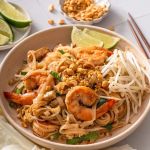 How to Make Restaurant-Quality Pad Thai at Home in Under 30 Minutes