
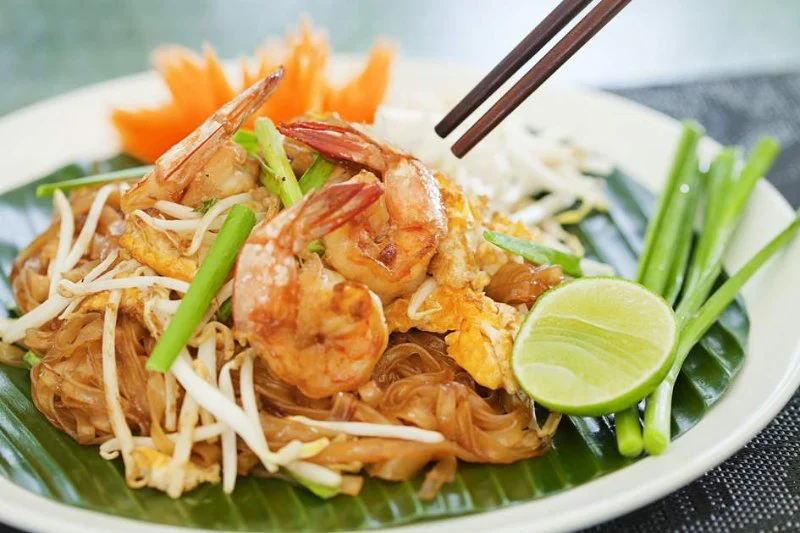
- thai-food-basics - Understanding the fundamentals of authentic Thai cuisine
- regional-cuisines - Exploring regional flavors and specialties across Thailand
- must-try-dishes - Iconic Thai dishes every foodie should taste
- street-food-experience - Navigating the vibrant street food scene like a local
- local-eating-habits - How locals enjoy meals and what to order for authenticity
- cooking-flavors-and-techniques - Insights into Thai cooking methods and flavor profiles
- market-and-ingredient-guide - Where to find fresh ingredients and what to look for
- restaurant-recommendations - Tips for choosing authentic Thai eateries
- personal-experience-stories - Real foodie experiences and memorable culinary adventures
- tips-for-foodies - Practical advice for immersing yourself in Thai food culture
1. Understanding Authentic Thai Cuisine
Thai cuisine is a tapestry of bold flavors, combining spicy, sweet, sour, and salty notes in harmonious balance. Thai food for foodies goes beyond the typical dishes found in international restaurants; it involves experiencing meals as locals do, paying attention to the balance of flavors, freshness of ingredients, and cultural context behind each dish.
Essential ingredients like lemongrass, galangal, kaffir lime leaves, and fish sauce form the backbone of Thai cooking. Understanding how these ingredients are combined is crucial for any foodie aiming to savor authentic flavors.
2. Exploring Regional Thai Flavors
Thailand's culinary landscape varies significantly from north to south. Northern Thai cuisine emphasizes mild, herbaceous flavors with dishes like Khao Soi, a coconut curry noodle soup. Central Thailand, including Bangkok, blends rich, aromatic flavors in dishes such as Pad Thai and Tom Yum soup. Southern Thai cuisine is famous for its intense spiciness, often featuring curries with coconut milk and fresh seafood.
For foodies, exploring these regional differences is key to experiencing authentic Thai cuisine.
Thai Palace
BloomfieldCapitol Planning RegionConnecticut
18 Wintonbury Mall, Bloomfield, CT 06002, USA
3. Iconic Thai Dishes Every Foodie Should Try
No culinary adventure in Thailand is complete without sampling its iconic dishes:
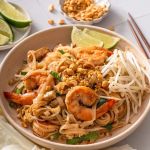
- Pad Thai – Stir-fried rice noodles with tamarind, peanuts, and shrimp or chicken
- Som Tam – Spicy green papaya salad that balances sour, sweet, and chili heat
- Tom Yum Goong – Aromatic hot and sour shrimp soup with lemongrass and kaffir lime
- Massaman Curry – Rich, mildly spiced curry reflecting Thai Muslim influences
- Mango Sticky Rice – Sweet dessert featuring ripe mango and glutinous rice with coconut sauce
Sampling these dishes in local markets or small eateries gives a more authentic experience than ordering them in tourist-heavy restaurants.
4. Navigating Thai Street Food Like a Local
Street food culture is central to Thai dining experiences. Markets and street stalls serve everything from grilled satay skewers to deep-fried insects for adventurous eaters. Observing how locals order, what they choose, and how meals are shared provides invaluable insight into the culture.
For example, standing at a bustling market stall in Bangkok, you might notice locals ordering multiple small dishes to share, accompanied by sticky rice and fresh herbs. This communal style of eating is integral to the Thai culinary experience.
5. How Locals Enjoy Meals
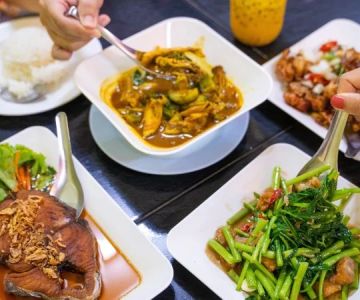
Thai meals are typically shared, with several dishes placed in the center of the table. Rice is the main staple, often eaten alongside curries, stir-fries, and salads. Spicy condiments like chili flakes, fish sauce, and lime are commonly added according to personal taste.
Foodies should observe portion sizes, how dishes are combined, and how locals pace their meals. This understanding enhances the authenticity of the experience.
6. Insights into Thai Cooking Flavors and Techniques
Thai cooking emphasizes fresh ingredients and quick cooking techniques. Stir-frying, grilling, steaming, and boiling are common methods that preserve flavor and texture. Balancing the five essential tastes – sweet, sour, salty, bitter, and umami – is the hallmark of a well-prepared dish.
Learning about these techniques helps food enthusiasts appreciate the skill behind every plate and better understand why Thai dishes are celebrated worldwide.
7. Where to Find Fresh Ingredients
For those interested in Thai cooking at home, markets are the best source for authentic ingredients. Local markets in Bangkok, Chiang Mai, and Phuket offer fresh herbs, vegetables, seafood, and spices that are hard to replicate elsewhere.
Foodies can enhance their culinary knowledge by learning the names, uses, and flavor profiles of key ingredients. This knowledge is invaluable when attempting to recreate dishes or simply understanding what makes each bite authentic.
8. Choosing Authentic Thai Eateries
Not all restaurants serve traditional Thai flavors. When selecting an eatery, look for places with strong local patronage, menus primarily in Thai, and a focus on freshly prepared meals rather than frozen or pre-packaged items.
Visiting establishments recommended by locals or highlighted on trusted platforms like Thai Food ensures an authentic dining experience.
9. Real Foodie Experiences in Thailand
One memorable foodie adventure involved a small riverside eatery in Ayutthaya, where locals gathered nightly for seafood grilled over charcoal. The mix of aromas from lemongrass, chili, and fresh fish created a sensory experience unmatched by typical tourist venues. Experiencing food in this manner allows visitors to connect with the culture beyond mere consumption.
10. Practical Tips for Immersing Yourself in Thai Food Culture
- Start with small portions to explore a variety of dishes
- Ask locals for recommendations—they know hidden gems better than guidebooks
- Be open to trying unconventional ingredients and combinations
- Visit markets early in the day for the freshest produce and seafood
- Take a cooking class to understand flavor balancing firsthand
For food enthusiasts seeking the ultimate Thai culinary experience, consulting Thai Food for expert tips, restaurant recommendations, and ingredient guides provides invaluable insight.
By following these strategies, foodies can enjoy Thai food like locals do, gaining a deeper appreciation for the complexity, freshness, and cultural significance of each dish.
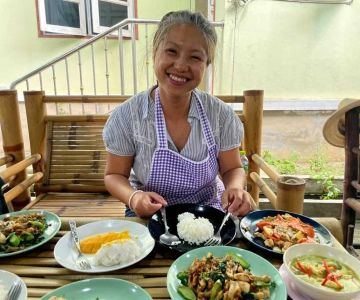
 Pad Thai Restaurant4.0 (241 reviews)
 Thai Lemongrass4.0 (423 reviews)
 Sita Thai Restaurant4.0 (138 reviews)
 Siam Deluxe4.0 (135 reviews)
 Thai Orchid4.0 (468 reviews)
 Noa by September in Bangkok4.0 (433 reviews)
 : How to Make the Most of Thai Food in the Microwave
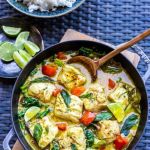 Quick, Healthy & Tasty Thai Food Recipes for One: Easy Cooking Ideas
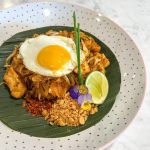 Thai Food for Holiday Brunch: Thai-Inspired Morning Treats
 How to Make Thai Food That’s Perfect for a Sunday Brunch
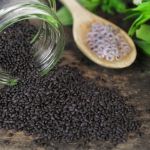 Thai Basil Seeds — What Are They & How to Use | Thai Food Ingredient Guide
 How to Make Restaurant-Quality Pad Thai at Home in Under 30 Minutes