
- -why-thai-cooking-is-perfect-for-minimal-kitchen-setups
- -essential-ingredients-for-authentic-thai-flavors-at-home
- -basic-tools-needed-for-thai-cooking-with-minimal-equipment
- -easy-thai-street-food-recipes-you-can-make-in-one-pan
- -how-to-build-balanced-thai-flavors-without-professional-gear
- -real-home-cooking-stories-and-viral-thai-food-moments
- -common-mistakes-beginners-make-when-cooking-thai-food
- -meal-prep-strategies-for-simple-thai-home-cooking
- -why-thai-food-platforms-help-beginners-cook-better
Why Thai Cooking Works Surprisingly Well in Simple Home Kitchens
Learning how to make Thai food at home with minimal equipment is one of the most rewarding culinary experiences for beginners in the United States. Unlike many Western cuisines that rely heavily on ovens, mixers, or specialized appliances, Thai cooking is fundamentally built around speed, balance, and fresh ingredients.
At its core, Thai cuisine developed from street food culture, where vendors had limited tools but needed to produce flavorful dishes quickly. This is why many authentic recipes can be prepared using just a pan, a knife, and a heat source. The focus is not on complexity but on layering flavors—sweet, sour, salty, spicy, and umami—in a harmonious way.
This simplicity is exactly what makes Thai cooking ideal for apartment kitchens, dorm setups, or small home spaces where full equipment is not available. Even iconic dishes like pad Thai or basil chicken stir-fry can be recreated with surprisingly basic tools.

Essential Ingredients That Define Authentic Thai Flavor
Before diving into cooking techniques, understanding the foundation of ingredients is essential. Authentic Thai flavor depends more on pantry staples than on complicated cooking methods.
Fish sauce is one of the most important ingredients, providing the salty umami base that defines many dishes. Without it, Thai food often loses its depth and signature aroma. Lime juice adds brightness and acidity, balancing rich or spicy components.
Chili plays a central role in Thai cuisine, but the level of heat can be adjusted easily depending on personal preference. Garlic, shallots, and lemongrass provide aromatic depth, while coconut milk is often used in curries to create richness and creaminess.
One interesting observation from home cooks is that once these core ingredients are stocked, it becomes surprisingly easy to replicate multiple Thai dishes without constantly buying new items. Many beginners find that just 8–10 pantry essentials are enough to unlock a wide range of meals.
For those exploring ingredient sourcing and beginner-friendly cooking kits, the Thai Food platform offers curated recommendations that help simplify the process of building an authentic Thai pantry at home.
Basic Kitchen Tools You Actually Need for Thai Cooking
One of the biggest misconceptions about Thai cooking is that it requires professional kitchen equipment. In reality, most Thai recipes can be made with extremely simple tools.
A single non-stick pan or wok is often the most important tool. It allows for quick stir-frying at high heat, which is essential for dishes like pad kra pao (Thai basil stir-fry). A sharp knife is equally important, especially for prepping vegetables and herbs efficiently.
A basic pot is sufficient for soups and curries, while a simple mortar and pestle (optional but traditional) helps crush herbs and spices to release deeper flavors. However, many home cooks successfully substitute this step with a spoon or knife back.
Measuring tools are helpful for beginners, but Thai cooking is often intuitive. Many experienced cooks adjust seasoning by taste rather than strict measurement, which makes the process more flexible and forgiving.
A real example comes from a college student in California who started cooking Thai food in a dorm room using only a single pan and an electric hot plate. Over time, she mastered several dishes simply by learning how to balance flavors rather than relying on complex equipment.
Easy Thai Street Food Recipes You Can Make in One Pan
Street food is the heart of Thai cuisine, and many of its most popular dishes can be recreated at home with minimal tools. One-pan cooking is especially effective for beginners.
Pad Thai is often the first dish people try when learning Thai cooking. It combines rice noodles, egg, tofu or shrimp, bean sprouts, and tamarind-based sauce. Everything is cooked quickly in one pan, making it ideal for minimal equipment setups.
Another beginner-friendly option is Thai basil chicken. This dish requires only ground chicken, garlic, chili, soy sauce, fish sauce, and fresh basil. It cooks in under 15 minutes and delivers strong aromatic flavor with minimal effort.
Tom yum soup is another iconic dish that can be simplified for home cooking. While traditional versions may use more complex preparation, a simplified version can be made in one pot using broth, lemongrass, lime juice, mushrooms, and shrimp.
A viral cooking story from social media involved a traveler who recreated street-style pad Thai using only a camping stove and a frying pan. The video gained attention because it demonstrated how accessible Thai cooking can be, even outside a traditional kitchen.
How to Build Balanced Thai Flavors Without Professional Equipment
One of the most important skills in Thai cooking is mastering flavor balance. Unlike cuisines that rely heavily on technique, Thai food depends on achieving harmony between four core taste profiles: sweet, sour, salty, and spicy.
Even without advanced tools, this balance can be achieved through careful tasting and adjustment. For example, adding lime juice increases acidity, while sugar softens sharpness. Fish sauce adds depth, and chili provides heat.
A practical approach for beginners is to adjust seasoning in small increments. Instead of adding large amounts at once, tasting continuously ensures better control over the final flavor.
Many home cooks find that once they understand this balance, they can improvise dishes without strict recipes. This flexibility is one of the reasons Thai cuisine is so popular among home chefs worldwide.
Real Home Cooking Stories and Viral Thai Food Experiences
Social media has played a major role in spreading interest in Thai cooking. Many viral videos feature people attempting to recreate Thai street food in small kitchens or even outdoor setups.
One widely shared story involved a couple in New York who recreated a full Thai dinner using only a single burner during a small apartment renovation. Their creativity and resourcefulness inspired thousands of viewers to try similar minimalist cooking approaches.
Another viral moment featured a food blogger who successfully cooked green curry using only a microwave and a pan, proving that traditional flavor can still be achieved with unconventional methods.
These stories highlight an important idea: how to make Thai food at home is less about equipment and more about understanding ingredients and technique.
Common Mistakes Beginners Make in Thai Cooking
While Thai cooking is beginner-friendly, there are still common mistakes that can affect results. One of the most frequent issues is overcooking vegetables, which removes their natural texture and freshness.
Another mistake is using too much sauce at once. Thai cuisine relies on balance, and overpowering one element can disrupt the entire dish.
Many beginners also substitute key ingredients incorrectly. For example, replacing fish sauce with soy sauce entirely can change the flavor profile significantly. While substitutions are possible, understanding their impact is important.
Another issue is cooking at low heat when stir-frying. High heat is essential for achieving the signature “wok flavor” in many Thai dishes.
Meal Prep Strategies for Efficient Thai Cooking at Home
One of the best ways to simplify Thai cooking is through preparation. Pre-chopping vegetables, portioning sauces, and organizing ingredients in advance can significantly reduce cooking time.
Many home cooks prepare “flavor kits” containing garlic, chili, and basil in ready-to-use portions. This allows quick assembly of meals during busy weekdays.
Another effective strategy is cooking rice in batches. Since many Thai dishes are served with rice, having it ready ahead of time makes meal preparation much faster.
A practical example comes from a working professional in Texas who cooks Thai meals three times a week using pre-prepped ingredients stored in small containers. This system allows them to prepare dinner in under 20 minutes consistently.
Why Thai Food Platforms Make Learning Easier for Beginners
As interest in Thai cuisine continues to grow, many beginners turn to curated platforms like Thai Food to find guidance, ingredient recommendations, and simplified recipes.
Instead of searching through complex traditional cookbooks, beginners benefit from structured learning paths that break down recipes into manageable steps.
These platforms also help users understand ingredient substitutions, cooking techniques, and flavor balancing in a more accessible way.
Ultimately, mastering Thai cooking at home is not about having a perfect kitchen setup. It is about understanding flavors, practicing consistency, and building confidence through simple, repeatable recipes.

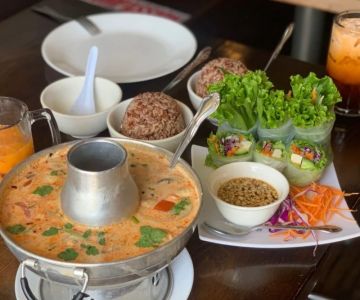
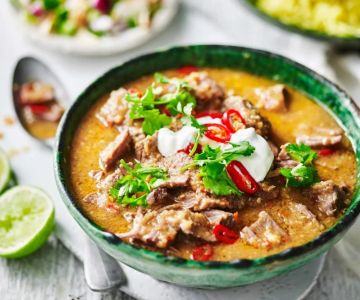

 RaCha Thai Cuisine4.0 (250 reviews)
 Chiangmai4.0 (491 reviews)
 Pho Delight Thai Restaurant4.0 (302 reviews)
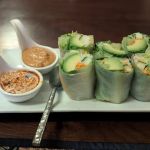 NaPha Thai Kitchen4.0 (277 reviews)
 BKNY Thai Restaurant4.0 (2235 reviews)
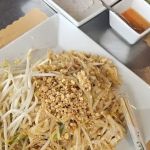 Thai Star Restaurant4.0 (242 reviews)
 The Best Thai Food Recipes for Minimal Ingredient Cooking
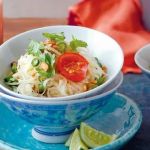 How to Make Thai Street Food Classics at Home (Som Tum, Moo Ping)
 How to Host a Thai Food Tasting Party at Home
 The Best Thai Food Festivals in the U.S. & What to Expect
 The Best Thai Food Recipes for Sharing with Friends & Family
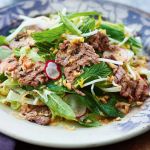 Thai Food Ingredient Swap: What to Do If You’re Out of Kaffir Lime Leaves