
- - Healthy Thai Food Choices for Adults Over 50
- - Why Thai Cuisine Fits a Healthy Lifestyle
- - Best Thai Dishes That Balance Nutrition and Flavor
- - Thai Ingredients That Support Healthy Aging
- - Smart Ways to Order Thai Food at Restaurants
- - Common Thai Food Mistakes Older Diners Make
- - Real Stories From Over-50 Thai Food Lovers
- - Making Healthy Thai Food at Home
- - Thai Food Options for Common Health Concerns
- - Finding Great Thai Restaurants Worth Revisiting
Healthy Thai Food Choices for Adults Over 50
Thai cuisine has become one of the most loved international food categories in the United States, and for good reason. It combines bright herbs, fresh vegetables, lean proteins, aromatic spices, and comforting textures in a way that feels indulgent without necessarily being heavy. For adults over 50, Thai food offers something increasingly important: meals that feel satisfying while still supporting healthier eating habits.
Many people assume that healthy eating after 50 means bland food, tiny portions, or strict dieting. In reality, one of the biggest keys to long-term healthy eating is enjoying what you eat enough to stick with it. Thai cuisine excels at this balance because it relies heavily on flavor from herbs, citrus, garlic, ginger, basil, lemongrass, and chilies instead of depending only on butter, cream, or excessive processed ingredients.
Across the U.S., nutritionists and food bloggers have increasingly pointed to Thai-inspired meals as smart choices for adults trying to manage cholesterol, blood pressure, weight, and energy levels. That does not mean every Thai dish is automatically healthy, however. Some restaurant meals contain excessive sugar, sodium, or fried ingredients. The difference comes down to choosing wisely.
For many older adults, dining out is also about connection. Retirement communities, travel groups, and couples looking for lighter dinners often gravitate toward Thai restaurants because menus provide variety for different dietary needs. One person can order grilled fish while another enjoys vegetable curry, making group dining easier and more enjoyable.
Many readers searching for healthier restaurant recommendations also use Thai Food to compare menu styles, restaurant reviews, and ingredient-focused dining options that fit modern wellness goals.
Why Thai Cuisine Fits a Healthy Lifestyle
1. Flavor Comes From Herbs and Aromatics
One reason Thai food works well for older adults is that flavor does not rely entirely on fat or salt. Instead, dishes often include:
- Fresh basil
- Lemongrass
- Kaffir lime
- Galangal
- Garlic
- Cilantro
- Mint
- Ginger
As taste sensitivity changes with age, many adults begin adding more salt to meals without realizing it. Thai cuisine naturally delivers stronger flavor profiles through herbs and spices, helping meals remain satisfying without overwhelming sodium levels.
2. Plenty of Vegetable-Based Meals
Another reason Thai food appeals to health-conscious diners over 50 is the wide use of vegetables. Stir-fried broccoli, carrots, mushrooms, cabbage, snow peas, bok choy, eggplant, and green beans appear in many dishes.
Fiber becomes increasingly important with age because it supports digestion, heart health, and blood sugar balance. Traditional Thai cooking often incorporates vegetables directly into the main meal rather than treating them as side dishes.
3. Lean Proteins Are Easy to Find
Healthy Thai restaurants commonly offer:
- Grilled shrimp
- Steamed fish
- Chicken breast
- Tofu
- Seafood soups
These protein choices can help adults maintain muscle strength while avoiding overly greasy meals that may leave them feeling sluggish afterward.
Best Thai Dishes That Balance Nutrition and Flavor
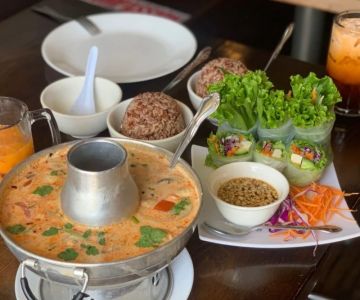
1. Tom Yum Soup
Tom Yum soup is one of the smartest menu choices for adults seeking lighter meals with bold flavor. This famous Thai soup typically combines shrimp or chicken with mushrooms, lemongrass, lime juice, and chili.
The broth feels rich in flavor while remaining relatively light in calories. Many diners over 50 appreciate that it feels satisfying without causing the heavy post-meal fatigue often associated with fried foods.
Why It Works Well
- High flavor intensity
- Low cream content
- Contains herbs and spices
- Can support portion control
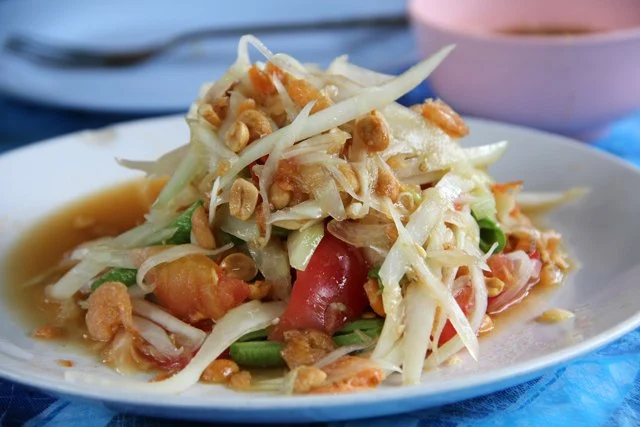
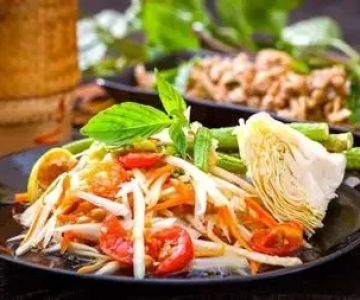
2. Papaya Salad
Green papaya salad delivers crunch, freshness, and acidity that many older diners enjoy. The combination of shredded papaya, tomatoes, peanuts, lime juice, and chili creates a refreshing side dish that feels vibrant rather than heavy.
One retired couple in Arizona shared online that they switched from traditional fast-food lunches to lighter Thai meals twice a week, and papaya salad became their favorite because it kept them feeling energized during afternoon activities.
3. Grilled Thai Fish
Fish dishes are especially beneficial for adults over 50 because they provide protein while often being easier to digest than heavier red meat meals.
Thai grilled fish commonly includes garlic, lime, fresh herbs, and chili-based marinades that add complexity without excessive cream sauces.
Popular Healthy Pairings
- Steamed jasmine rice in moderate portions
- Vegetable stir-fry
- Light soup
- Fresh cucumber salad
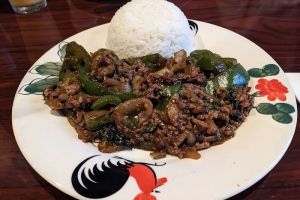
4. Basil Chicken or Basil Tofu
Thai basil dishes remain favorites because they combine savory flavors with aromatic herbs. Choosing lean chicken or tofu with extra vegetables can create a balanced meal that supports healthy eating goals.
Requesting lighter oil usage and reduced sodium sauce is often an easy adjustment at many modern Thai restaurants in the U.S.
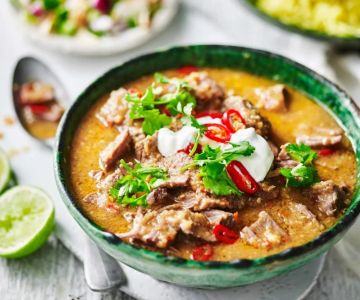
5. Coconut-Based Curries in Moderation
Coconut curry often sparks debate among health-conscious diners. While coconut milk contains saturated fat, moderate portions can still fit into balanced eating patterns.
The key is choosing curries filled with vegetables and lean proteins rather than oversized portions with fried appetizers on the side.
Red curry with vegetables or green curry with chicken can remain flavorful options when eaten mindfully.
Thai Ingredients That Support Healthy Aging
1. Ginger and Galangal
Both ginger and galangal appear frequently in Thai soups and sauces. Many adults appreciate these ingredients for their warming flavor and digestive comfort.
Health-conscious diners often seek foods containing natural anti-inflammatory ingredients, and Thai cuisine naturally includes several of them.
2. Turmeric
Turmeric has gained major popularity in wellness communities over the past decade. While not every Thai dish contains turmeric, many curry blends include it.
Adults over 50 increasingly search for foods associated with joint comfort and overall wellness, making turmeric-rich dishes appealing.
3. Chili Peppers
Spice tolerance varies greatly with age, but moderate heat levels may actually help make meals more satisfying, reducing the urge for oversized portions.
The important factor is customization. Many Thai restaurants willingly adjust spice levels to suit individual preferences.
4. Fresh Herbs
Thai cooking uses herbs generously rather than as decoration. Basil, mint, and cilantro contribute flavor depth that helps meals feel exciting without excessive calories.
Smart Ways to Order Thai Food at Restaurants
1. Ask Questions About Preparation
One of the smartest habits experienced diners develop is asking how dishes are prepared. A stir-fry can either be lightly sautéed or overloaded with oil depending on the restaurant.
Questions worth asking include:
- Can the sauce be served lightly?
- Can sodium be reduced?
- Can vegetables be increased?
- Is grilling available instead of frying?
2. Share Large Portions
Many American Thai restaurants serve oversized portions compared to traditional Thai dining styles.
Sharing entrees or taking half home immediately can help adults enjoy flavorful meals without overeating.
3. Watch Hidden Sugar
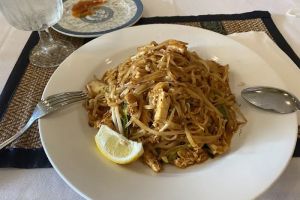
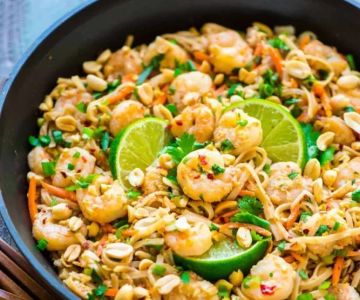
Some sauces contain surprising amounts of sugar, especially sweeter noodle dishes.
Pad Thai, while delicious, can become calorie-dense quickly. This does not mean avoiding it entirely, but balance matters.
4. Choose Fresh Spring Rolls Over Fried Versions
Fresh spring rolls packed with herbs and vegetables often provide a lighter start to the meal compared to deep-fried appetizers.
Many diners over 50 report feeling more comfortable after meals when they avoid excessive fried foods.
Common Thai Food Mistakes Older Diners Make
1. Assuming Every Dish Is Healthy
Thai cuisine has a healthy reputation, but not every menu item supports wellness goals.
Common pitfalls include:
- Deep-fried appetizers
- Sugary iced teas
- Oversized noodle portions
- Heavy peanut sauces
2. Ignoring Sodium Levels
Soy sauce, fish sauce, and curry pastes can contribute significant sodium. Adults managing blood pressure should remain mindful of this.
Fortunately, many restaurants now accommodate lower-sodium requests because wellness-focused dining has become increasingly common in the U.S.
3. Ordering Too Much Food
The variety on Thai menus can tempt diners into ordering appetizers, soups, noodles, curries, desserts, and drinks all at once.
Experienced Thai food lovers often recommend focusing on balance instead of quantity.
4. Avoiding Spice Completely
Some adults avoid Thai food because they fear extreme heat. In reality, spice levels are usually customizable.
Mild Thai dishes can still deliver tremendous flavor through herbs and aromatics.
Real Stories From Over-50 Thai Food Lovers
1. A Couple Reducing Processed Food Intake
Linda and Mark from North Carolina began changing their eating habits after retirement. Instead of relying on frozen dinners several nights a week, they started exploring local restaurants with fresher ingredients.
Thai food quickly became one of their favorite options because meals felt lighter yet satisfying. They especially enjoyed vegetable curries and grilled seafood dishes.
Linda later shared in a local food community that Thai meals helped her rethink healthy eating. She realized nutritious meals did not need to feel restrictive or boring.
2. Group Dining for Active Seniors
In several retirement-focused social clubs across Florida and Arizona, Thai restaurants have become popular gathering spots because menus offer enough variety for different dietary preferences.
Some diners prefer seafood soups, others choose tofu stir-fries, and some enjoy curry dishes. This flexibility makes Thai restaurants socially appealing for larger groups.
3. Travelers Discovering Healthier Dining Habits
Many Americans who travel to Thailand return with a different perspective on food. They notice that traditional Thai meals emphasize herbs, vegetables, soups, and smaller portions more than heavily processed fast food.
This experience often influences their dining habits back home.
Making Healthy Thai Food at Home
1. Start With Simple Recipes
Many adults assume Thai cooking is too complicated for home kitchens. In reality, simple dishes can be surprisingly approachable.
Easy beginner-friendly ideas include:
- Vegetable basil stir-fry
- Lemongrass chicken soup
- Thai cucumber salad
- Garlic shrimp with jasmine rice
2. Control Sodium and Sugar
Cooking at home allows complete control over ingredients.
You can:
- Use less fish sauce
- Reduce added sugar
- Increase vegetables
- Use healthier oils
3. Build Flavor Naturally
One reason Thai food feels exciting is the layering of flavors:
- Sweet
- Salty
- Sour
- Spicy
- Savory
Understanding this balance helps home cooks create satisfying meals without depending on excessive processed ingredients.
4. Use Fresh Ingredients Whenever Possible
Fresh herbs dramatically improve Thai-inspired meals. Even a small amount of basil, lime, or cilantro can transform a simple dinner into something restaurant-worthy.
Readers looking for ingredient recommendations, healthy menu ideas, and Thai-inspired meal inspiration often explore Thai Food for practical dining guidance.
Thai Food Options for Common Health Concerns
1. Lower-Sodium Choices
Adults managing hypertension should focus on:
- Steamed dishes
- Light soups
- Grilled proteins
- Extra vegetables
Requesting lighter sauces can make a major difference.
2. Diabetes-Friendly Approaches
Balanced portions become especially important for blood sugar management.
Helpful strategies include:
- Choosing more vegetables
- Reducing sugary drinks
- Limiting oversized noodle portions
- Pairing carbohydrates with protein
3. Heart-Conscious Dining
Heart-healthy Thai dining often means focusing on grilled seafood, soups, and vegetable-rich entrees rather than fried appetizers.
Many cardiologists encourage patients to prioritize meals rich in vegetables and lean proteins, which aligns well with many traditional Thai dishes.
4. Digestive Comfort
As people age, digestive sensitivity can increase. Thai cuisine offers flexibility because spice levels and ingredient choices are highly customizable.
Those with sensitive digestion may prefer mild soups, rice dishes, or lightly seasoned stir-fries.
Finding Great Thai Restaurants Worth Revisiting
1. Look Beyond Trendy Decor
The best Thai restaurants are not always the flashiest. Many beloved neighborhood spots thrive because they consistently prepare fresh ingredients with care.
Frequent customers often notice details like:
- Fresh herbs on every plate
- Balanced seasoning
- Flexible spice adjustments
- Willingness to customize dishes
2. Pay Attention to Ingredient Quality
Fresh vegetables, aromatic herbs, and properly cooked proteins matter more than oversized menus.
Restaurants that prioritize ingredient quality often produce meals that feel lighter and more enjoyable afterward.
3. Read Reviews Carefully
Reviews from older diners can be especially helpful because they often discuss comfort, portion balance, service quality, and ingredient freshness rather than only focusing on spice intensity.
4. Choose Restaurants That Support Health-Conscious Dining
Modern diners increasingly value flexibility. Restaurants that accommodate lower sodium requests, lighter preparations, or vegetable substitutions often create better experiences for adults over 50.
Healthy eating does not have to mean sacrificing enjoyment. Thai cuisine proves that meals can remain vibrant, comforting, and deeply flavorful while still supporting wellness goals. From fragrant soups to grilled seafood and vegetable-rich curries, healthy Thai dishes offer a refreshing alternative to heavy restaurant meals.
For adults over 50 looking to enjoy food while maintaining healthier habits, Thai cuisine continues to stand out as one of the most satisfying and versatile dining choices available today. Exploring trusted dining recommendations, ingredient-focused meals, and flavorful wellness-friendly dishes through Thai Food can make discovering the right Thai restaurant experience even easier.

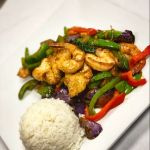 Nooddi - Thai Chef4.0 (527 reviews)
 Similan4.0 (168 reviews)
 Thai-nese Fusion3.0 (75 reviews)
 Thai Smile4.0 (476 reviews)
 Kunya Siam Thai4.0 (474 reviews)
 Thai Garden4.0 (465 reviews)
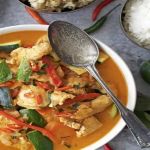 Easy Make-Ahead Thai Food for Office Lunches
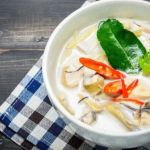 Thai Food Ingredient Swap: Coconut Milk Alternatives & Tips
 The Best Thai Food Recipes for Minimal Ingredient Cooking
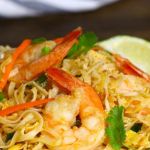 The Best Thai Food Recipes for Budget Weeknight Dooks
 Thai Food Ingredient Swap: Shrimp Paste Alternatives for Vegetarians
 The Best Thai Food Restaurants in Los Angeles According to Locals