
- 1-Thai-Street-Food-Culture-and-Why-It-Inspires-Home-Cooks
- 2-Essential-Ingredients-and-Tools-for-Authentic-Flavors
- 3-How-to-Make-Som-Tum-Thai-Papaya-Salad-at-Home
- 4-How-to-Cook-Moo-Ping-Thai-Grilled-Pork-Skewers
- 5-Bringing-the-Full-Street-Food-Experience-Into-Your-Kitchen
1. Thai Street Food Culture and Why It Inspires Home Cooks
Anyone who has walked through a Thai night market remembers the smell before anything else. Smoke from charcoal grills drifts through the air, vendors pound ingredients in stone mortars, and plastic stools quickly fill with locals enjoying quick meals. Thai street food isn’t just convenient—it’s deeply rooted in everyday life and family traditions.
1.1 The magic of simple dishes
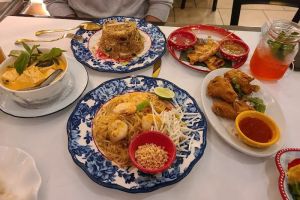
Some of Thailand’s most beloved foods come from humble street stalls. Two of the most iconic examples are Som Tum (green papaya salad) and Moo Ping (grilled pork skewers). These dishes combine bold flavors—sweet, salty, sour, and spicy—in a way that feels exciting yet balanced.
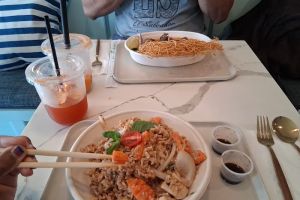
Samui Thai @Fire Island
Fire IslandSuffolk CountyNew York
44 Bayview Ave, Ocean Bay Park, NY 11770, USA
1.2 Why Americans are recreating Thai street food at home
Over the past decade, Thai street food has become extremely popular in the United States. Travel shows, food bloggers, and viral cooking videos have introduced many people to these vibrant dishes. For home cooks, learning how to make Thai street food classics at home is both a culinary adventure and a fun way to bring global flavors into everyday meals.
1.3 A personal cooking story
A friend of mine once returned from Bangkok completely obsessed with Som Tum. She told me that the first bite was unforgettable—crisp papaya, lime juice, chilies, and fish sauce all crashing together in one spoonful. When she tried making it at home in California, she discovered something important: the recipe is simple, but technique matters. That same discovery has inspired thousands of home cooks to experiment with Thai street food in their own kitchens.
2. Essential Ingredients and Tools for Authentic Flavors
Before preparing Som Tum or Moo Ping, it helps to understand the ingredients that define Thai street food. Many of them are now easy to find in American grocery stores or Asian markets.
2.1 Key ingredients that create Thai flavor balance
1. Fish sauce
This salty fermented sauce forms the backbone of many Thai dishes. It provides deep umami and replaces traditional salt in most recipes.
2. Palm sugar
Palm sugar offers a mellow sweetness that balances spicy and sour flavors. Brown sugar can be used as a substitute if palm sugar is unavailable.
3. Fresh lime juice
Acidity is critical in Thai cooking. Lime juice brightens the dish and ties all flavors together.
4. Thai chilies
Small but extremely spicy, Thai chilies add heat and fragrance. Adjust the amount depending on your spice tolerance.
2.2 Helpful kitchen tools
1. Mortar and pestle
Traditional Som Tum is made by lightly pounding ingredients together. This releases flavors without turning the salad into mush.
2. Skewers and grill pan
Moo Ping is traditionally grilled over charcoal. At home, a grill pan or outdoor grill works well.
3. Sharp knife or julienne peeler
Green papaya must be shredded into thin crisp strands for the best texture.
If you're looking for authentic ingredients or cooking tools that make the process easier, many home cooks explore curated ingredients through Thai Food where specialty sauces, seasonings, and cooking essentials can help recreate genuine street flavors.
3. How to Make Som Tum Thai Papaya Salad at Home
Som Tum is one of the most recognizable Thai street foods. It originates from northeastern Thailand and is loved for its refreshing crunch and bold taste.
3.1 Understanding the flavor profile
Unlike Western salads, Som Tum is not built around leafy greens. Instead, it uses shredded green papaya as the base. The dressing is created directly in the mortar with lime juice, fish sauce, palm sugar, garlic, and chilies.
3.2 Preparing the ingredients
1. Shredded green papaya
Peel the papaya and shred it into thin strands. The texture should resemble crisp noodles.
2. Cherry tomatoes
These add juiciness and sweetness when lightly crushed in the mortar.
3. Long beans
Cut into small pieces, long beans add crunch and mild flavor.
3.3 Step-by-step preparation
Step 1: Pound garlic and chilies
Lightly pound them in a mortar to release their aroma.
Step 2: Add palm sugar and fish sauce
Mix until the sugar dissolves and forms a flavorful base.
Step 3: Add lime juice and tomatoes
Pound gently to combine while keeping ingredients textured.
Step 4: Add papaya and toss
Mix thoroughly so every strand absorbs the dressing.
3.4 A common mistake beginners make
Many first-time cooks over-pound the papaya. In Thai street stalls, vendors carefully combine ingredients so the salad remains crisp. The secret is gentle mixing rather than heavy pounding.
4. How to Cook Moo Ping Thai Grilled Pork Skewers
Moo Ping is a breakfast favorite in Thailand. Early in the morning, street vendors grill rows of marinated pork skewers over charcoal, serving them with sticky rice.
4.1 The marinade that makes Moo Ping unforgettable
The flavor of Moo Ping comes from a slightly sweet marinade that caramelizes when grilled.
Key marinade ingredients
1. Garlic and cilantro roots
These create the aromatic base typical of Thai grilled meats.
2. Fish sauce and soy sauce
These provide salty depth and umami flavor.
3. Coconut milk
Coconut milk tenderizes the pork and adds richness.
4. Palm sugar
During grilling, the sugar caramelizes and gives the skewers their signature glaze.
4.2 Preparing the pork skewers
Step 1: Slice pork shoulder
Thin slices ensure the meat stays tender and cooks evenly.
Step 2: Marinate overnight
Allow the pork to soak in marinade for several hours to absorb flavor.
Step 3: Skewer the meat
Thread the slices onto bamboo skewers in a slightly folded pattern.
Step 4: Grill slowly
Cook over medium heat while brushing extra marinade to create caramelization.
4.3 The secret of Thai street vendors
Many vendors grill Moo Ping slowly while fanning charcoal to maintain even heat. This technique prevents burning while allowing the marinade to glaze the pork beautifully.
5. Bringing the Full Street Food Experience Into Your Kitchen
When Som Tum and Moo Ping are served together, they create a complete Thai street food experience. The crisp, spicy salad balances the smoky sweetness of grilled pork perfectly.
5.1 How vendors serve these dishes in Thailand
1. Sticky rice on the side
Moo Ping is traditionally eaten with sticky rice, allowing diners to scoop bites of pork and salad together.
2. Fresh vegetables
Cabbage and herbs are often served alongside Som Tum to cool the spice.
3. Shared street meals
Thai street food is usually eaten socially, with friends sharing multiple dishes.
5.2 Hosting a Thai street food night at home
Many American families have started recreating street-food-themed dinners at home. Preparing dishes like Som Tum and Moo Ping together turns cooking into a cultural experience rather than just a meal.
5.3 Finding authentic inspiration
If you're exploring Thai cooking further, browsing recipes, ingredients, and traditional cooking ideas through Thai Food can provide inspiration and resources to help bring authentic street flavors into your home kitchen.
With the right ingredients, simple techniques, and a little curiosity, recreating Thai street food classics at home becomes surprisingly approachable—and incredibly rewarding.
 Boone's Thai Kitchen4.0 (288 reviews)
 Baan Ta Thai Cuisine4.0 (129 reviews)
 La Kang Hot Pot5.0 (24 reviews)
 BKK New York4.0 (195 reviews)
 Racha thai Restaurant4.0 (24 reviews)
 Sweet Rice JP Thai Sushi4.0 (444 reviews)
 Thai Food Ingredient Spotlight: Thai Peanut Sauce — How to Make & Use It
 Thai Food and Wellness: Thai Herbs That Might Boost Your Health
 Discover the Best Thai Food Restaurants in Kansas City for Hidden Gems
 How to Make Thai Food That’s Perfect for Sharing with Friends
 The Best Thai Food Recipes for Sharing with Friends & Family
 How to Make Thai Food in One-Pan: Less Cleanup, Full Flavor