
- thai-sesame-oil-introduction-flavor-role-essence-of-ingredient
- how-to-use-thai-sesame-oil-cooking-techniques-real-applications
- does-sesame-oil-matter-in-thai-cooking-flavor-science-analysis
- real-kitchen-story-home-cook-experiment-with-thai-ingredients
- best-dish-pairings-with-sesame-oil-thai-recipes-breakdown
- comparison-with-other-oils-thai-cooking-style-understanding-differences
- how-to-build-thai-pantry-with-essential-oils-and-flavor-bases
Understanding Thai Sesame Oil in Everyday Cooking
When people first explore Thai cuisine at home, they often focus on the obvious ingredients—fish sauce, coconut milk, chili paste, and lime. But one ingredient that quietly shapes depth and aroma is Thai sesame oil. The Thai Food Ingredient Guide: Thai Sesame Oil — How to Use It & Does It Matter? starts with a simple truth: even small amounts of the right oil can completely transform a dish’s personality.
Unlike neutral cooking oils, sesame oil carries a deep roasted aroma that immediately signals warmth and richness. In Thai kitchens, it is not always used as the primary cooking medium but as a finishing layer or flavor enhancer.

Why sesame oil stands out in Thai flavor structure
Thai cuisine is built around balance—sweet, salty, sour, bitter, and spicy. Sesame oil doesn’t dominate one of these categories; instead, it enhances the harmony between them. A few drops can elevate stir-fries, noodles, or dipping sauces without overwhelming the dish.

How to Use Thai Sesame Oil in Real Cooking Situations
1. Finishing oil for stir-fried dishes
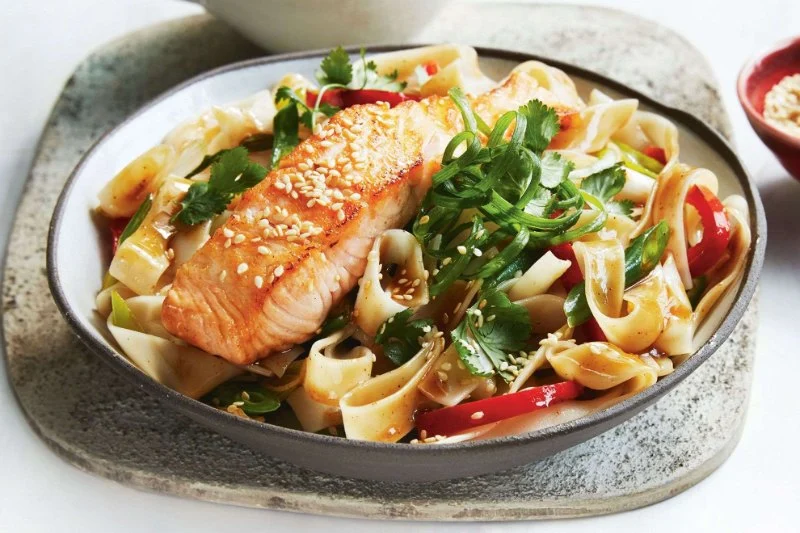
One of the most common uses is as a finishing drizzle. After cooking Pad Thai, basil chicken, or vegetable stir-fry, a few drops of sesame oil add aroma without altering structure. The heat of the dish activates its nutty fragrance instantly.
2. Marinades that deepen flavor absorption
When used in marinades, sesame oil acts as a carrier for garlic, soy sauce, and chili paste. It helps proteins like chicken or tofu absorb seasoning more effectively. This technique is widely used in Thai street food preparation.
3. Dipping sauces with layered complexity
Many Thai dipping sauces rely on balance. Sesame oil adds smoothness to spicy or acidic bases, softening sharp edges while enhancing depth.
4. Cold noodle and salad enhancement
In dishes like glass noodle salad or cold Thai noodle bowls, sesame oil helps prevent dryness while enriching aroma without needing heavy sauces.
Does Thai Sesame Oil Really Matter in Authentic Cooking?
This is where opinions often differ among home cooks and chefs. Some argue sesame oil is not a “core” Thai ingredient compared to fish sauce or lemongrass. However, in modern Thai fusion cooking, its role has become increasingly important.
Flavor science behind sesame oil impact
Sesame oil contains compounds released through roasting sesame seeds. These compounds are highly aromatic and fat-soluble, meaning they bind to other ingredients and enhance perceived flavor intensity.
In simple terms, even a small amount can make a dish taste richer without increasing salt or sugar content. This is especially important for health-conscious cooking trends in the United States.
Real Kitchen Story: A Home Cook’s First Thai Pantry Experiment
A home cook in Seattle once shared their experience transitioning into Thai cooking after traveling through Bangkok. Initially, they ignored sesame oil, assuming it was optional. Their early dishes felt “flat,” even when following authentic recipes.
After revisiting a local Thai cooking class, they learned that finishing oils like sesame oil play a subtle but important role. When they added it to their basil chicken and noodle dishes, the difference was immediate—more aroma, more depth, and more balance.
That moment reshaped how they approached Thai cooking at home. Instead of focusing only on main ingredients, they began building a layered pantry system.
Best Thai Dishes That Benefit from Sesame Oil
Stir-fried basil chicken (Pad Kra Pao style variations)
A small drizzle enhances the herbal heat of basil and chili, making the dish more rounded.
Thai noodle bowls
Whether dry or soupy, sesame oil prevents dryness and improves mouthfeel.
Vegetable stir-fries
Especially useful when cooking greens like bok choy or Chinese broccoli, where aroma needs boosting.
Spring rolls and dipping sauces
Sesame oil helps bind flavors in sauces while adding a nutty background note.
Comparison: Sesame Oil vs Other Thai Cooking Oils
Neutral oils (vegetable, canola)
These oils are used for heat stability but add no flavor contribution.
Coconut oil
Adds sweetness and tropical depth but can dominate lighter dishes.
Sesame oil
Used primarily for aroma and finishing, not high-heat frying. It sits in the middle—subtle yet powerful.
Building a Thai Pantry with Sesame Oil as a Flavor Layer
A well-designed Thai pantry is not just about collecting ingredients—it is about understanding their roles. Sesame oil belongs to the “finishing and layering” category alongside chili oil and toasted spices.
Essential pantry pairing strategy
To use Thai sesame oil effectively, pair it with:
- Fish sauce for salt depth- Lime juice for acidity- Chili paste for heat- Garlic and ginger for aroma base
When combined correctly, these ingredients create the signature Thai balance that makes dishes memorable.
Where Home Cooks Go Wrong with Sesame Oil
Overheating the oil
One common mistake is using sesame oil for high-heat frying. This destroys its aroma and can create bitterness.
Overusing it in large quantities
A little goes a long way. Too much can overpower delicate Thai flavors.
Using it as a primary fat source
Unlike neutral oils, sesame oil is not meant to replace cooking oil—it is a finishing enhancer.
Modern Thai Cooking Trends and Ingredient Awareness
As Thai cuisine becomes more popular in Western home kitchens, ingredient education has become essential. People no longer just follow recipes—they study flavor roles. Thai sesame oil is a perfect example of how a small ingredient can shift cooking results significantly.
For those building a deeper understanding of Thai ingredients and pantry essentials, Thai Food offers inspiration and product guidance for recreating authentic flavor balance at home.
Why This Ingredient Still Matters Today
Even in modern fusion kitchens, Thai sesame oil continues to matter because it represents a principle rather than just a product: flavor layering. It teaches home cooks that great Thai food is not about complexity—it is about precision and balance.
Once understood properly, it becomes less of an optional ingredient and more of a quiet essential in the background of great Thai cooking.



 Khao Thai Cuisine4.0 (142 reviews)
 Unglo Thai BBQ4.0 (107 reviews)
 Kati Thai Cuisine4.0 (989 reviews)
 thank you come again3.0 (80 reviews)
 Grandpa Thai4.0 (564 reviews)
 Khing4.0 (21 reviews)
 Best Thai Food Restaurants in Richmond for Authentic Thai Cuisine
 The Ultimate Guide to Thai Food for Late Summer: Salads & Light Meals
 The Best Thai Food Restaurants in Las Vegas for Flavor Seekers
 How to Make Thai Food That’s One-Pot & One-Pan Friendly
 How to Make Thai Food Work for a Tight Weeknight Schedule
 The Best Thai Food Restaurants in Milwaukee for True Thai Flavor