How to Order Thai Noodle Soup at a Restaurant
On this page
- Quick answer
- Choose the broth or soup style
- Pick a noodle that fits the bowl
- Confirm protein and toppings
- Set heat and seasoning expectations
- Ask about allergens and dietary limits
- Taste before using condiments
- Ordering checklist
- Limitations and food-safety notes
- Frequently asked questions
- Cuisine and safety notes
- Ask the server to describe one bowl
Quick answer
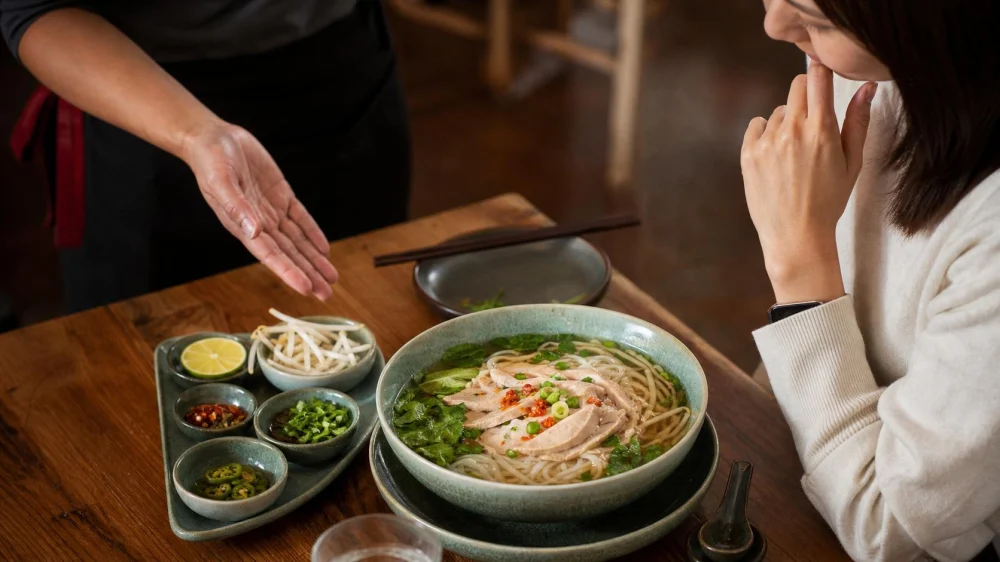
Order Thai noodle soup by choosing the soup style, noodle, protein, portion, and heat level, then confirming the broth, garnishes, and allergens. Ask whether the bowl is clear, rich, sour-spicy, creamy, or curry-based; whether the noodles are rice, egg, wheat, or glass; and which condiments arrive at the table. Taste the finished broth before adding fish sauce, sugar, vinegar, chili, or lime.
Names and customization differ by restaurant, so the server's description matters more than one universal formula.
Choose the broth or soup style
A menu may offer clear pork, chicken, or beef broth; tom yum noodle soup with sour and spicy notes; yen ta fo with a distinctive fermented red-bean-curd character; boat noodles with a deep savory broth; northern curry noodle soup such as khao soi; or a house specialty.
Ask whether coconut milk, blood-based thickener, fermented ingredients, seafood stock, or peanuts are part of the restaurant's version. “Tom yum” describes a flavor family and does not guarantee the same ingredients as a tom yum soup elsewhere on the menu.

Aves Thai & Asian Fusion restaurant
New YorkNew York CountyNew York
102 W 86th St, New York, NY 10024, USA
Pick a noodle that fits the bowl
Common choices can include thin rice noodles, wider rice noodles, egg noodles, wheat noodles, glass noodles, or a house-specific shape. Texture ranges from delicate to chewy, and not every noodle is available with every soup.
If you are new to the menu, ask which noodle the kitchen normally pairs with the broth. When gluten or egg matters medically, confirm ingredients and preparation rather than assuming a noodle is safe from its appearance.
Confirm protein and toppings
Options may include sliced meat, meatballs, fish balls, seafood, tofu, vegetables, or combinations. Ask whether the broth itself contains meat or seafood even when tofu is selected. Confirm bones, shells, organ meats, offal, or blood ingredients if they affect your choice.
Typical toppings may include bean sprouts, herbs, greens, fried garlic, scallions, cilantro, crispy noodles, wontons, peanuts, or chili. Request omissions before the bowl is assembled, but understand that stock and premixed pastes may not be changeable.
Set heat and seasoning expectations
Ask whether the soup is spicy by default and whether heat comes from the broth, a paste, chili oil, or table condiments. “Mild” is subjective; describe your preference and ask what the kitchen can control.
Sourness, sweetness, salt, richness, and chili heat work together. Do not ask for every condiment at once. A well-made bowl may already be balanced, and adding fish sauce or sugar before tasting can overpower it.
Ask about allergens and dietary limits
Potential concerns include fish, shellfish, peanuts, tree nuts, soy, wheat, egg, sesame, dairy in some modern versions, and cross-contact. Fish sauce, shrimp paste, seafood stock, oyster sauce, meatballs, curry paste, and fried garnishes can add ingredients not obvious from the bowl's name.
State a food allergy clearly, ask the server or manager to confirm broth, noodles, sauces, garnishes, and shared equipment, and use a chef card if helpful. If the kitchen cannot answer confidently, choose a simpler verified dish or do not eat there.
Taste before using condiments
Stir gently to distribute noodles and toppings, then taste the broth and a bite together. Add one condiment in a small amount, stir, and taste again. This preserves the chef's starting balance and helps you learn what each addition changes.
Use the spoon for broth and the fork, chopsticks, or other provided utensil for noodles according to comfort. Let a steaming bowl cool rather than lifting or moving it carelessly across a crowded table.
Ordering checklist
- Choose clear, sour-spicy, curry, or house broth.
- Ask which noodle is traditional for the bowl.
- Confirm protein, meatballs, offal, bones, and toppings.
- Describe the desired heat level.
- Check stock, sauces, pastes, and allergens.
- Ask what cannot be modified.
- Taste before adding table condiments.
- Handle the hot bowl carefully.
Limitations and food-safety notes
- Thai noodle names and recipes vary by region and restaurant.
- This guide cannot verify ingredients or cross-contact in a specific kitchen.
- Hot broth can cause burns; keep it stable and away from table edges.
- For a suspected allergic reaction, follow the emergency plan and seek urgent help as directed.
Frequently asked questions
Are all Thai noodles made from rice?
No. Restaurants may use rice, wheat, egg, mung-bean, or other noodles.
Is tom yum noodle soup always very spicy?
No. Heat varies, and some kitchens can adjust it; ask how the restaurant prepares the broth.
What are boat noodles?
They are a category of strongly flavored Thai noodle soup with recipes that vary; ask about the broth and ingredients.
Can I order soup without fish sauce?
Sometimes, but stock or paste may already contain it. Confirm before ordering.
Should I add sugar?
Only after tasting and only if it improves the bowl for you; it is an option, not an obligation.
Cuisine and safety notes
Thailand's official tourism site presents Thai local food as diverse and includes tom yum noodles and khao soi among regional offerings. Food Allergy Research & Education advises calling ahead, telling restaurant staff, and asking about ingredients, preparation, and cross-contact.
Ask the server to describe one bowl
Choose one noodle soup name and ask: “What is the broth like, which noodle comes with it, what protein and garnishes are included, and is it spicy before condiments?” Use that answer to order the bowl as designed or request a realistic adjustment.

 Thai Noodle Bar4.0 (466 reviews)
 Thai Kit4.0 (440 reviews)
 Thai Palace4.0 (196 reviews)
 Ayada4.0 (1619 reviews)
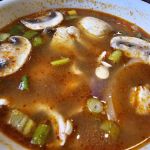 ThaiBowL Thai Restaurant4.0 (365 reviews)
 Poy's Kitchen Thai Lao cuisine4.0 (240 reviews)
 Thai Curry Colors Explained: Flavor, Heat, and Ordering
 Thai Food Ingredient Guide: Fish Sauce Labels — How to Read & Choose the Right One
 Thai Food for Plant-Based Eaters: Tofu & Tempeh Thai Style
 How to Make Thai Food That’s Great With Leftovers & Fridge Staples
 How to Make Thai Food That’s Cozy for Cold Winter Nights
 The Best Thai Food Podcasts to Cook Along With