
Thai Food Ingredient Guide: Fish Sauce Labels — How to Read & Choose the Right One
Fish sauce is a staple in Thai cuisine, providing the unique savory and umami flavor that enhances countless dishes, from stir-fries to curries and dipping sauces. However, not all fish sauces are created equal, and choosing the right one for your cooking can make a huge difference in the taste of your dish. In this guide, we’ll walk you through how to read fish sauce labels and choose the right one for your Thai culinary adventures.

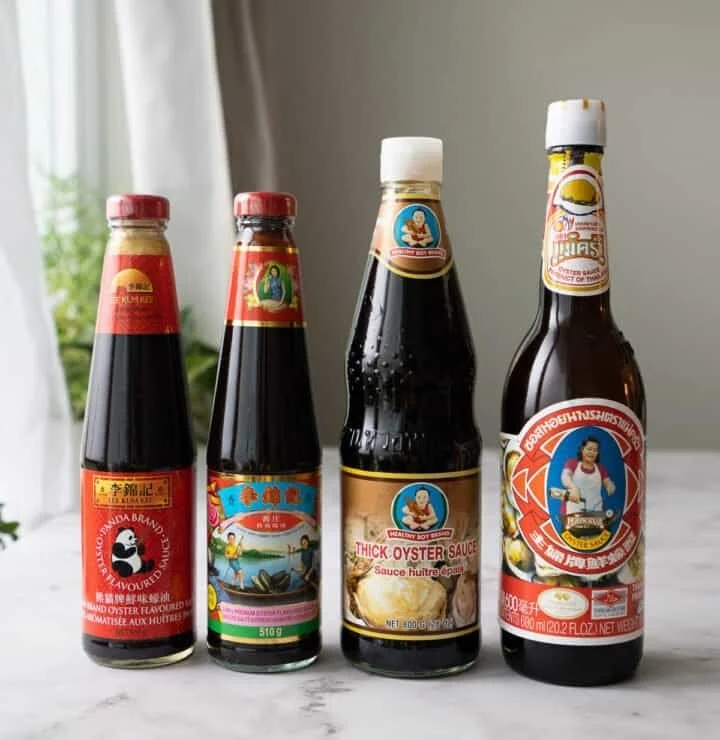
1. What is Fish Sauce?
Fish sauce is a fermented liquid made from fish and salt, commonly used in Southeast Asian cooking, especially in Thailand. It’s rich in umami, which is one of the five basic tastes, alongside sweet, sour, bitter, and salty. The fermentation process gives fish sauce its deep, complex flavor profile, making it an essential ingredient in many Thai dishes. It’s used not only for seasoning but also as a base for sauces and marinades.
2. Understanding Fish Sauce Labels
When you’re shopping for fish sauce, the label will provide key information that can help you make an informed choice. Some of the important elements to look for include:
- Ingredients: Look for fish sauce that contains just fish and salt. Avoid sauces with added preservatives, sugars, or artificial flavorings for a more authentic taste.
- Fish Type: Traditional fish sauce is made from anchovies, but other fish types like mackerel or sardines are sometimes used. Anchovy-based sauces are usually the best choice for Thai cooking due to their rich umami flavor.
- Fermentation Time: The length of fermentation influences the depth of flavor. A longer fermentation process typically results in a more robust, well-rounded sauce.
- Origin: Authentic Thai fish sauce is often labeled with the place of origin, such as "Made in Thailand" or "Thai Style." Be sure to look for reputable brands that produce traditional fish sauce.
3. Different Types of Fish Sauce
There are several types of fish sauce available, and choosing the right one depends on the dish you are preparing:
- Thai Fish Sauce (Nam Pla): The most common type of fish sauce used in Thai cooking. It’s typically made with anchovies and has a balanced flavor.
- Vietnamese Fish Sauce (Nước Mắm): Slightly sweeter than Thai fish sauce and often used in Vietnamese dishes.
- Low-Sodium Fish Sauce: A lighter option for those looking to reduce their sodium intake, although the flavor may not be as intense.
- Artisanal Fish Sauce: High-quality, small-batch fish sauces that focus on traditional production methods and longer fermentation periods for a more nuanced taste.
4. How to Choose the Right Fish Sauce for Your Cooking
When selecting a fish sauce for your Thai recipes, consider the following:
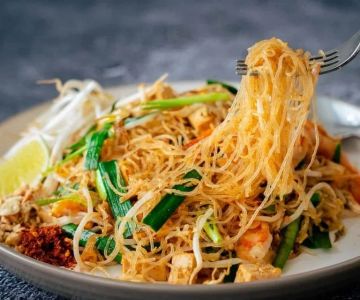
- Flavor Intensity: Choose a stronger, more flavorful fish sauce for dishes where fish sauce is the star, such as Pad Thai or Thai dipping sauces. For more delicate recipes, a lighter sauce might be a better option.
- Purpose: If you’re using fish sauce as a marinade or base for a sauce, opt for one with a richer flavor. If you’re simply adding a hint of seasoning to a dish, a lighter fish sauce will do the trick.
- Brand Reputation: Well-known brands like Red Boat, Tiparos, and Three Crabs are trusted for their quality and consistency. Consider trying different brands to find the one you like best.
5. Best Brands of Fish Sauce
There are many fish sauce brands on the market, but some stand out for their quality and authenticity. Here are a few top brands to look for:
- Red Boat: Known for its artisanal production methods, Red Boat fish sauce is made with only anchovies and sea salt, offering a deep, balanced flavor.
- Tiparos: A widely available and affordable fish sauce, Tiparos is perfect for everyday cooking and is a great introduction to fish sauce.
- Three Crabs: A high-quality fish sauce with a rich, bold flavor, Three Crabs is a favorite among professional chefs.
- Squid: Known for its light and delicate flavor, Squid fish sauce is ideal for more subtle dishes or as a base for sauces.
6. Tips for Using Fish Sauce in Thai Cooking
Here are some tips to help you get the most out of your fish sauce:
- Start with Small Amounts: Fish sauce is potent, so start by adding small amounts and adjust to taste. You can always add more, but you can’t take it out once it’s in!
- Balance with Sweet and Sour: Fish sauce pairs beautifully with sweet and sour flavors, such as sugar and lime juice. Use this balance to create delicious Thai flavors in dishes like Thai Green Curry or Tom Yum Soup.
- Don’t Overcook: Fish sauce should be added towards the end of cooking to preserve its delicate flavor. Avoid adding it to boiling hot oil or for extended periods of time.



 Roodle4.0 (448 reviews)
 Jeen Bistro5.0 (2 reviews)
 Williamsburg Thai Cuisine4.0 (500 reviews)
 Little Buddha4.0 (461 reviews)
 Taan Thai Kitchen4.0 (99 reviews)
 Thai Rak Thai4.0 (606 reviews)
 Thai Food Holidays: What to Eat During Songkran, Loy Kratong & More
 How to Make Thai Food That’s One-Pot & One-Pan Friendly
 Thai Food Ingredient Guide: Fish Sauce Labels — How to Read & Choose the Right One
 How to Make Thai Soup the Right Way — From Broth to Garnish
 Thai Food Ingredient Guide: Tamarind Paste & Its Many Uses
 The Best Thai Food Restaurants in Louisville for Flavor Explorers