
How to Use Thai Table Condiments Without Over-Seasoning
In this guide
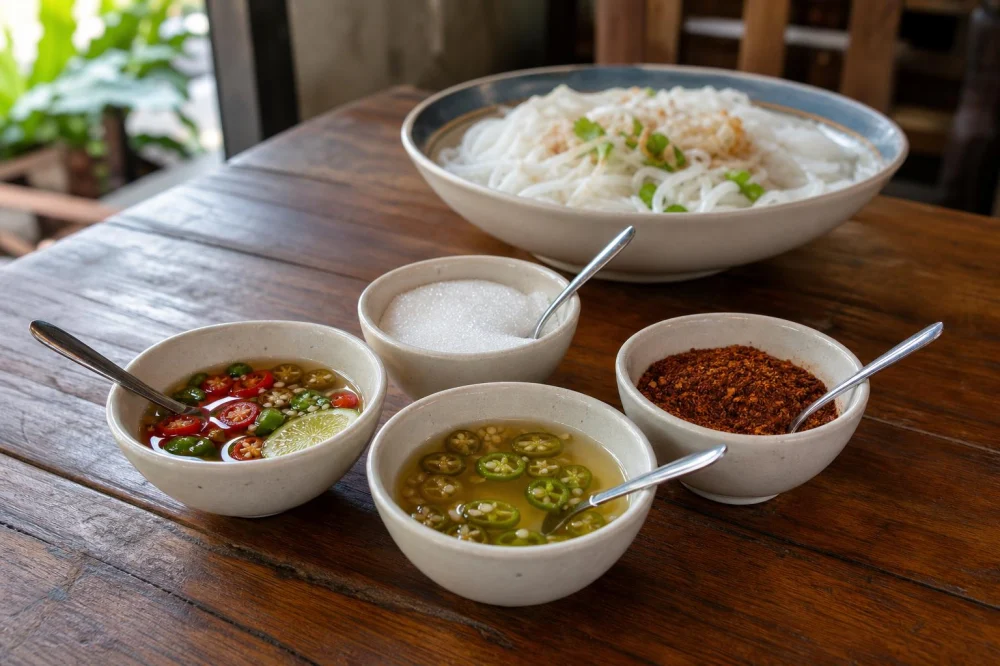
A Thai restaurant table may offer fish sauce with chiles, dried chile flakes, vinegar with sliced chiles, sugar, or another house condiment. These are not a command to add everything. They are tools for making a small personal adjustment, especially to certain noodle dishes. The most reliable method is to taste the food as served, identify one missing direction, add a little, mix, and taste again.
Quick answer
Start with the unseasoned bite. If the dish genuinely needs something, choose one adjustment: lime or chile vinegar for acidity, dried or fresh chile for heat, fish sauce for salty-savory depth, or a small amount of sugar to round a sharp edge. Add less than you think you need, mix only your portion, and retaste. Many curries, soups, stir-fries, and shared dishes arrive fully seasoned and may not benefit from any table condiment.
Not every Thai meal uses the same condiment set
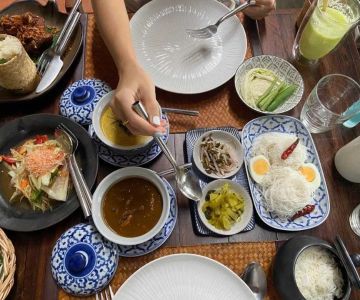
The familiar group of sweet, sour, salty, and spicy seasonings is often associated with noodle shops and casual dining, but there is no single mandatory “Thai condiment caddy” for every dish or region. Contents vary by restaurant, menu, cook, and local custom. A bottle on the table may be a general house sauce rather than part of a fixed set.
Some dishes arrive with a specific accompaniment selected by the kitchen: cucumber relish with satay, chile fish sauce with fried rice, roasted chile dip with vegetables, or a seafood sauce with grilled items. Use the intended accompaniment before building a new mixture from unrelated bottles.
If you cannot identify a jar, ask. Color alone does not reliably reveal heat, salt, fermentation, seafood ingredients, or sweetness.
Recognize the main flavor directions
Thai cooking often balances multiple tastes, but “balance” does not mean equal quantities of everything. A dish may intentionally lead with sourness, chile heat, sweetness, saltiness, bitterness, richness, or aromatic freshness. Table condiments should preserve that identity.
- Salty and savory: fish sauce or a seasoned sauce can deepen flavor quickly and can also make a dish too salty after only a spoonful.
- Sour: lime, plain vinegar, or chile vinegar can brighten richness and wake up a flat noodle broth.
- Hot: dried chile flakes, fresh sliced chiles, chile oil, or a house sauce deliver different kinds of heat.
- Sweet: sugar may soften an overly sharp edge, but it can easily cover herbs, broth, and toasted flavors.
Aromatic, bitter, fermented, and rich elements also matter. Do not reduce an entire cuisine to a four-flavor formula.
Taste before changing the dish
Take a complete bite that includes the main ingredient, sauce or broth, vegetables, and rice or noodles. A spoonful of broth alone may taste intense because it is meant to be eaten with other components. Likewise, curry tasted without rice can seem saltier or hotter than the full bite.
Ask a simple question: is the dish actually missing acidity, heat, salt, or roundness, or are you still adjusting to an unfamiliar flavor? Take a second bite before deciding. If the kitchen supplied lime, herbs, crushed peanuts, or a dipping sauce, try that designed combination first.
Seasoning cannot be removed. Use the smallest spoon available, add only a few drops or a small pinch, mix thoroughly, and wait for the new flavor to spread before adding more.
Season noodle dishes in small steps
Individual bowls of noodles are a common place for personal adjustment. For a broth noodle, first taste broth with noodles and toppings. Acidity can make a rich broth feel lighter; dried chile adds a direct heat; fish sauce adds salt and fermented depth; sugar can round bitterness or sourness.
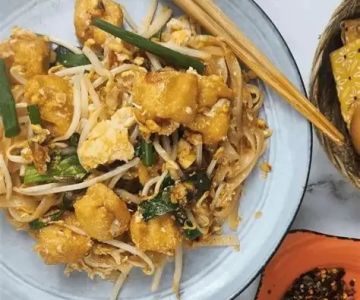
For a dry or stir-fried noodle, the sauce may already contain substantial sugar, soy sauce, fish sauce, or tamarind. Pad Thai, pad see ew, and pad kee mao are distinct dishes, not blank bases for the same condiment formula. Taste the particular plate before adding anything.
Change one variable at a time. If you add sugar, vinegar, chile, and fish sauce together, you cannot tell which improved or overwhelmed the dish.
Know when curry and rice need nothing
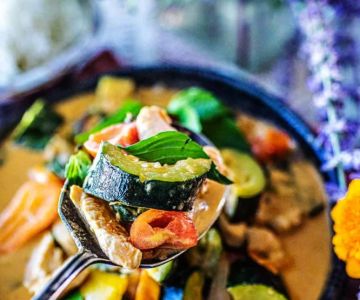
Thai curry is generally cooked as a composed sauce with curry paste, coconut milk or broth, seasonings, herbs, and chosen proteins or vegetables. Rice is part of the balance. Mix a modest amount of curry with rice and taste them together before deciding the curry is too salty, rich, or hot.
Adding several salty condiments can obscure the curry paste and fresh aromatics. If more lift is wanted and lime was provided, a small squeeze may be more useful than extra fish sauce. If the curry is already too hot, adding table chile will not make the other flavors clearer; eat it with more rice and ask whether a milder alternative is available.
Shared stir-fries and soups also deserve restraint. Season your serving rather than altering the communal plate.
Use prik nam pla carefully
Prik nam pla commonly combines fish sauce with sliced fresh chiles and may include lime, garlic, shallot, or other additions. It brings salt, savory fermentation, brightness, and heat at once. Recipes and house versions vary.
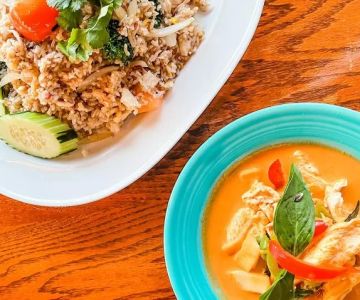
Spoon a small amount of liquid or a chile slice onto your own rice or bite rather than flooding the entire dish. It can complement fried rice, eggs, grilled foods, and other dishes, but the kitchen may have a more specific sauce in mind.
Fish sauce contains fish and is high in sodium. People avoiding seafood, fish allergens, or high-sodium condiments should not assume a chile sauce is suitable based on appearance. Ask for ingredients and a separate clean utensil when cross-contact matters.
Add chile heat without losing the meal
Fresh chiles, dried flakes, chile vinegar, chile oil, and roasted chile pastes do not taste identical. Fresh chiles can feel immediate and bright; dried flakes may build; vinegar adds sourness; oil spreads heat and richness; a paste may include sugar, garlic, shrimp, fish, or other seasonings.
Start with a few flakes, one thin slice, or a few drops. Stir and take more than one bite before increasing the amount, because heat can accumulate. Do not test an unknown condiment with a large spoonful.
If a dish becomes uncomfortably hot, stop adding chile. More rice or an unspiced side may dilute each bite. Water may cool briefly but does not remove capsaicin well. Severe symptoms, breathing difficulty, or swelling are not ordinary spice discomfort and require urgent attention.
Check allergens and dietary limits
Table sauces can contain fish sauce, shrimp paste, soy, wheat, peanuts, sesame, shellfish, or other ingredients even when those foods are not visible. Vegetarian and vegan diners should specifically ask about fish sauce, shrimp paste, oyster sauce, and shared preparation rather than relying only on the word “vegetable.”
For a medically significant allergy, tell the restaurant before ordering and ask whether it can manage ingredient questions and cross-contact. Open condiment jars and shared spoons may be contaminated by other diners. Skipping the caddy may be safer than guessing.
People monitoring sodium or added sugar can request sauces on the side and use very small amounts. A personalized nutrition plan from a qualified clinician takes priority over general dining advice.
Practical condiment etiquette
- Use the spoon assigned to each jar and do not move it between condiments.
- Do not touch the serving utensil to food on your plate and return it.
- Season your own bowl or portion, not a shared platter, unless everyone agrees.
- Close bottles and lids when practical and wipe a spill or alert staff.
- Ask for a clean replacement if a utensil falls or appears contaminated.
- Do not criticize a dish before tasting it or treat maximum chile as a contest.
Using no condiment is completely acceptable. So is making a thoughtful small adjustment. The goal is to enjoy the food, not perform expertise.
Frequently asked questions
Should I add all four condiments to Thai noodles?
No. Taste first and add only what improves that particular bowl. Some noodles need nothing; others may benefit from one small adjustment.
Is every clear sauce fish sauce?
No. It could be fish sauce, vinegar, a seasoned mixture, or another house preparation. Ask the restaurant rather than identifying it by color.
Is prik nam pla the same everywhere?
No. Fish sauce and fresh chile are common, but lime, garlic, shallot, sugar, and proportions vary by cook and restaurant.
Can I make a dish less spicy with sugar?
Sugar may change the balance but does not remove capsaicin and can make the dish overly sweet. More plain rice or a different dish is often more practical.
Are table condiments safe for a seafood allergy?
Not automatically. Fish sauce, shrimp, shared utensils, and cross-contact may be present. Disclose the allergy and ask the restaurant directly.
Adjust for balance, not maximum intensity
Thai table condiments are precise tools, not a checklist. Taste the complete dish, respect the flavor the kitchen built, identify one desired change, and add a minimal amount to your own serving. Asking about an unfamiliar sauce is both safer and more informative than guessing. The best-adjusted bite is the one in which the original dish still tastes like itself.

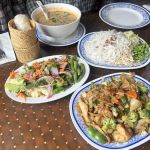 Saap4.0 (355 reviews)
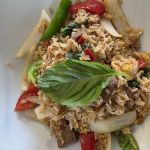 Land of Thai4.0 (181 reviews)
 Pho And Thai4.0 (220 reviews)
 Malii Gramercy4.0 (1501 reviews)
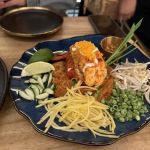 SaiTong Thai4.0 (1383 reviews)
 Xay’s Kitchen Laos & Thai Cuisine4.0 (69 reviews)
 Thai Food for Date Night In: Candlelight + Curry
 The Best Thai Food Recipes for Your Next BBQ — Thai Grilled Skewers & Sides
 The Best U.S. Cities to Move to if You Love Thai Food
 Thai Food Ingredient Guide: Discover the Difference in Thai Oyster Sauce
 How to Make Thai Food That’s Inspired by Thai Street Markets
 Thai Coconut Cream: How to Choose & Use It in Thai Cooking