How to Make Thai Food that’s Naturally Gluten-Free
- 1. Why Thai Food is Often Naturally Gluten-Free
- 2. Gluten-Free Ingredients in Thai Cuisine
- 3. Popular Gluten-Free Thai Dishes to Try
- 4. Tips for Making Thai Food Gluten-Free at Home
- 5. How to Substitute Common Gluten-Containing Ingredients
- 6. Where to Find Gluten-Free Thai Ingredients
1. Why Thai Food is Often Naturally Gluten-Free
Thai cuisine is known for its vibrant flavors, fresh ingredients, and unique blend of herbs and spices. What makes Thai food even more appealing is that many traditional dishes are naturally gluten-free. The base of Thai food typically involves rice, fresh vegetables, lean proteins, and herbs—none of which contain gluten. Additionally, most Thai recipes use rice noodles, which are gluten-free, and flavoring ingredients like coconut milk, lime, and chili. This makes Thai cuisine an excellent choice for people looking for naturally gluten-free meals.
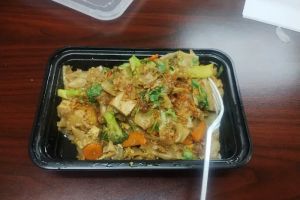
THAI GARDEN / Thai Food Restaurant
RensselaerRensselaer CountyNew York
1140 Broadway, Rensselaer, NY 12144, USA
2. Gluten-Free Ingredients in Thai Cuisine
When preparing Thai food at home, there are several naturally gluten-free ingredients to incorporate into your meals. Here are some key ingredients commonly used in Thai cooking:
- Rice: Both jasmine rice and sticky rice are gluten-free staples in Thai meals.
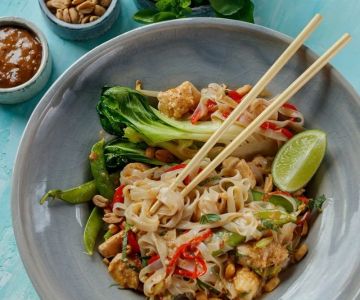
- Rice Noodles: Rice noodles are used in many dishes such as Pad Thai and Thai noodle soup, making them a gluten-free alternative to wheat noodles.
- Coconut Milk: This creamy, dairy-free ingredient adds richness and flavor to many Thai dishes without any gluten content.
- Fish Sauce: Fish sauce, a key flavoring in Thai cuisine, is naturally gluten-free, although it’s important to check labels for any hidden wheat-based additives.
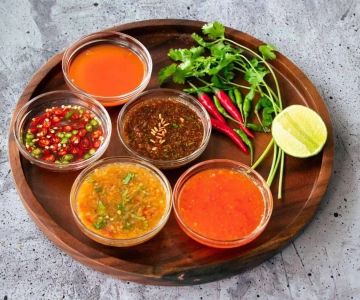
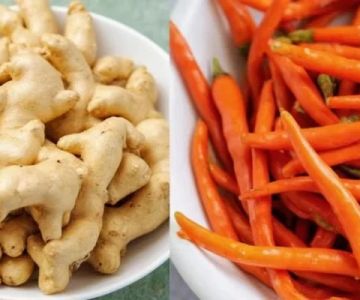
- Herbs and Spices: Fresh herbs like basil, cilantro, lemongrass, and kaffir lime leaves, as well as spices like chili, ginger, and garlic, are all naturally gluten-free and add incredible flavor to Thai dishes.
- Tofu and Meat: Fresh tofu, chicken, pork, and beef are all naturally gluten-free options often used in Thai cuisine.
3. Popular Gluten-Free Thai Dishes to Try
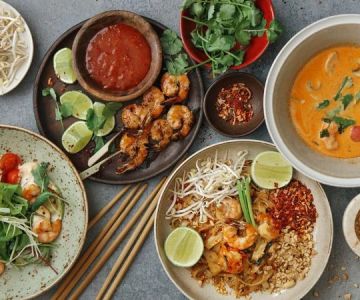
Many popular Thai dishes are naturally gluten-free or can easily be made gluten-free with minor adjustments. Here are some delicious Thai dishes to add to your gluten-free menu:

Suross Thai Bistro - New Management
New YorkNew York CountyNew York
4131 Broadway, New York, NY 10033, USA
Pad Thai
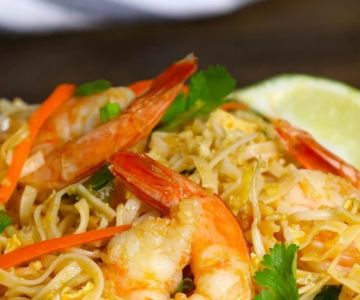
One of the most famous Thai dishes, Pad Thai, is traditionally made with rice noodles, shrimp, tofu, and a flavorful sauce. Ensure that the sauce is gluten-free by using tamarind, fish sauce, lime, and chili, and avoid soy sauce (which contains gluten).
Tom Yum Soup
Tom Yum is a spicy and sour soup typically made with shrimp or chicken, mushrooms, lemongrass, kaffir lime leaves, and chili. It’s naturally gluten-free and full of bold flavors that are sure to warm you up.
Green Curry
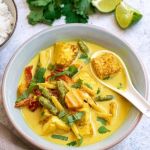
Green curry is a fragrant and spicy coconut milk-based dish made with chicken, vegetables, and green curry paste. As long as the curry paste doesn’t contain any gluten ingredients, this dish is a perfect gluten-free option.
Som Tum (Papaya Salad)
This vibrant salad made with shredded green papaya, tomatoes, peanuts, lime, and chili is naturally gluten-free. Just ensure the fish sauce you use doesn’t contain gluten additives.
4. Tips for Making Thai Food Gluten-Free at Home
Making Thai food at home allows you to control the ingredients, ensuring that your dishes are completely gluten-free. Here are a few tips to help you:
- Check labels: Always check the labels on condiments like soy sauce, fish sauce, and curry pastes, as some brands may add wheat-based ingredients.
- Use tamari instead of soy sauce: Tamari is a gluten-free soy sauce alternative that can be used in most recipes that call for soy sauce.
- Substitute gluten-free noodles: Use rice noodles or gluten-free pasta as a substitute for wheat noodles in stir-fries and soups.
- Make your own curry paste: To avoid hidden gluten, consider making your own curry paste using fresh ingredients like garlic, ginger, and lemongrass.
5. How to Substitute Common Gluten-Containing Ingredients
While many traditional Thai ingredients are naturally gluten-free, there are a few common ingredients that may contain gluten. Here’s how to substitute them:
- Wheat-based soy sauce: Use tamari, a gluten-free alternative, to maintain the savory umami flavor without the gluten.
- Wheat flour in Thai fried foods: If you’re making Thai fritters or spring rolls, use gluten-free flour blends or rice flour for a crispy texture.
- Fish sauce with additives: Opt for pure fish sauce without added wheat-based ingredients.
6. Where to Find Gluten-Free Thai Ingredients
Many grocery stores, especially those with international food sections, carry a variety of gluten-free Thai ingredients. You can also check specialty Asian markets for authentic gluten-free items. Online retailers such as SkinCare Experts also offer a wide selection of gluten-free Thai ingredients, from rice noodles to curry pastes, making it easier for you to stock up on everything you need for your cooking adventures.
Making gluten-free Thai food is not only easy but incredibly delicious. With the right ingredients and a few simple substitutions, you can enjoy the vibrant flavors of Thailand without any gluten worries. For the best gluten-free Thai ingredients, visit SkinCare Experts for a range of products to enhance your cooking experience.
 Pho And Thai4.0 (220 reviews)
 Thai 724.0 (681 reviews)
 Noods n’ Chill4.0 (342 reviews)
 Black Thai4.0 (257 reviews)
 Glur4.0 (719 reviews)
 Soothr LIC4.0 (654 reviews)
 Best Thai Meat Recipes for Meat Lovers Seeking Something New
 Thai Food for Solo Cooks: Quick, Flavor-Packed Meals for One
 The Best Thai Food Recipes for a Mid-Week Reset Meal – Flavorful & Easy Thai Dishes
 Thai Food for Baby Boomers: Healthy Thai Dishes That Still Excite the Palate
 The Best Thai Food Blogs for Street–Food Lovers
 Thai Food for Spring Renewal: Fresh Herbs & Light Curries