Khanom Krok Guide: Crisp Edges, Coconut Center, Toppings, and Timing
On this page
Quick answer
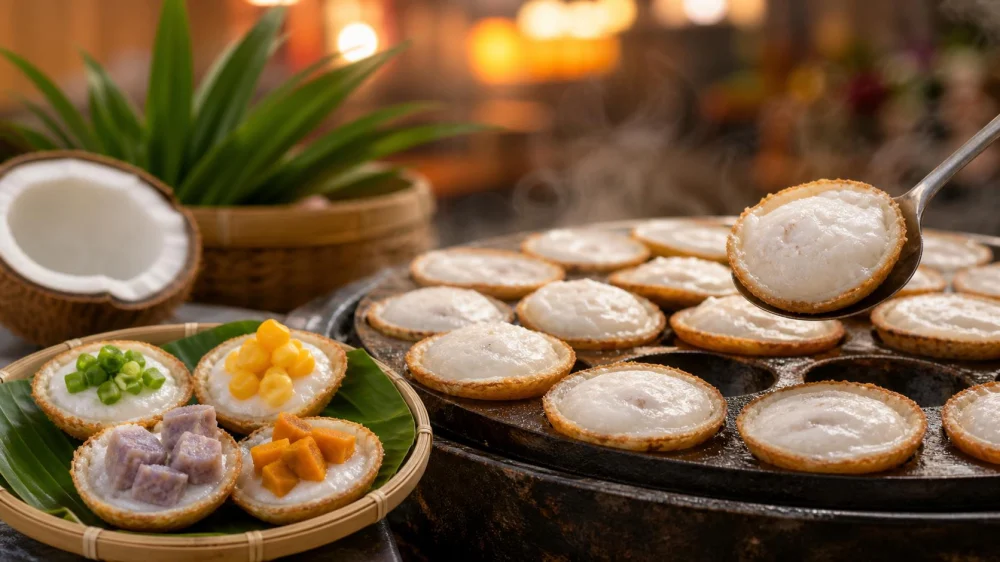
Khanom krok are small Thai coconut-rice pancakes cooked in round griddle wells, often paired as two half shells. A good serving balances crisp browned edges with a soft custardy coconut center and mild sweet-salty flavor. Ask whether they are made to order, which toppings are available, how many pieces come in an order, and whether they arrive very hot.
Eat them after a brief cooling period but before trapped steam softens the shells. Toppings may include green onion, corn, taro, pumpkin, or other local and modern additions.

Know what to expect
The Tourism Authority of Thailand describes khanom krok as coconut-rice pancakes with a long place in Thai food culture and notes their fresh griddle preparation and adaptable toppings. Read its khanom krok overview.
Restaurant and street-stall versions differ in batter, coconut richness, sugar, salt, pairing, browning, and toppings. Some halves are served open-faced; others are joined. The name may be transliterated kanom krok. A photo can help confirm the menu item. Watch a batch if the cooking station is visible without crowding the cook; it clarifies portion size and whether your order will be freshly scooped.
Oriental Food Specialty dba BKK Restaurant
AllentownLehigh CountyPennsylvania
1500 Union Blvd, Allentown, PA 18109, USA
Judge texture and freshness
Freshness is easy to notice: the edge should have structure and gentle browning while the center remains creamy or tender. A pale shell may be very soft; a deeply browned shell can be crisp but should not taste bitter. The center should be cooked enough to hold when lifted without becoming dry.
Made-to-order pieces can retain intense heat in the coconut center. Let one cool, then test a small bite. Closed takeaway containers trap steam, so vent only when safe and permitted, and avoid stacking hot pieces for a long trip if texture matters.
Compare toppings and sweetness
Green onion introduces savory aroma that emphasizes the salty edge. Corn adds juicy sweetness; taro and pumpkin bring a denser earthy note. Plain pieces make the coconut and rice batter easiest to judge. A mixed box is useful for first-time tasting.
Ask whether coconut milk, dairy, egg, wheat, sesame, or other allergens are present rather than inferring from appearance. Rice flour may be common, but preparation surfaces and recipe additions vary. Sweetness can differ between the base and coconut topping.
Order, cool, and share
- Confirm piece count and whether two halves count as one.
- Ask if pieces are made to order or held warm.
- Choose plain or a mixed topping selection.
- Discuss coconut and other allergen or cross-contact concerns.
- Let the center cool before the first bite.
- Use a small fork or pick if the shell is delicate and hot.
- Share early while edges retain their contrast.
- For takeaway, ask how soon the shop recommends eating them.
Khanom krok can finish a meal or serve as a snack. Because coconut richness accumulates, start with a modest portion if the table has ordered other desserts. Divide mixed toppings before eating so each diner can identify the varieties, and keep the serving pick out of shared sauces to reduce mess and cross-contact.
Ordering checklist
- Piece count and half-shell presentation understood
- Fresh cooking or holding time asked
- Plain and topped options compared
- Sweetness and savory balance considered
- Allergens and cross-contact discussed
- Hot center allowed to cool
- Texture judged while fresh
- Takeaway timing and ventilation considered
Limitations
Recipes and presentation vary across regions, families, restaurants, and contemporary shops. A crisp edge or topping choice does not establish authenticity. Ingredient and allergen information must come from the business preparing the food.
FAQ
Are khanom krok always sweet?
They usually balance sweetness with salt, and savory toppings such as green onion can shift the impression.
Are they served in pairs?
Often two halves are joined, but some shops serve them open. Confirm how the menu counts pieces.
Are they gluten-free?
Do not assume. Ask about the recipe and shared equipment.
Why are takeaway pieces soft?
Steam trapped in the container can soften crisp edges.
Which topping should I try first?
Choose a mixed order or start plain, then compare green onion, corn, taro, or pumpkin.
Evidence notes
Thailand’s official tourism source supports the coconut-rice pancake identity, fresh griddle preparation, sweet-rich-salty balance, and common topping adaptations. For a particular order, rely on the shop’s ingredient information, cook time, piece count, visible browning, center texture, and takeaway instructions.
Conclusion
Khanom krok is most expressive in the minutes after it leaves the griddle. Confirm portion and toppings, protect against the hot center, taste plain coconut balance first, and share before steam turns the crisp shell soft.

 Get Thai Takeaway4.0 (74 reviews)
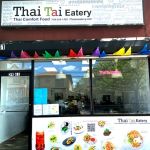 Thai Tai Eatery4.0 (119 reviews)
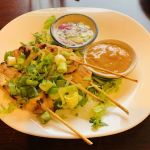 Aura Thai Restaurant3.0 (185 reviews)
 Kc Siam0.0 (0 reviews)
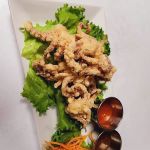 Truly Thai Restaurant4.0 (270 reviews)
 San Aroy Thai Kitchen4.0 (211 reviews)
 Best Thai Meat Recipes for Meat Lovers Seeking Something New
 Thai Food Ingredient Spotlight: Thai Coconut Cream — How to Choose & Use | Perfect for Thai Recipes
 Thai Dessert Ordering Guide: Texture and Sweetness
 Best Thai Food Restaurants in Richmond for Authentic Thai Cuisine
 The Best Thai Food Restaurants in Las Vegas for Flavor Seekers
 The Best Thai Food Restaurants in Dallas for Flavor Seekers