

1. What is Thai Coconut Cream?
Thai coconut cream, or “krong khao,” is a rich, creamy liquid extracted from the grated flesh of fresh coconuts. Unlike coconut milk, which has a higher water content, coconut cream has a thicker consistency and a more intense coconut flavor. This ingredient is a staple in many Thai dishes, adding a luxurious texture and balancing the heat of spicy curries and soups.
The cream is made by pressing grated coconut meat and extracting the thick, rich liquid, which can then be used in both savory and sweet Thai recipes. Its creamy consistency makes it ideal for adding depth to curries, desserts, and beverages like Thai iced coffee or tea.
Ruk Mae Healthy Thai Cuisine
StoughtonNorfolk CountyMassachusetts
1778 Washington St #48, Stoughton, MA 02072, USA
2. How to Choose the Best Thai Coconut Cream
When selecting Thai coconut cream, it's essential to choose one with a high fat content and minimal additives to ensure that you're getting the best flavor and texture. Many brands of coconut cream can be found in Asian supermarkets or online, but not all of them are equal in quality.
Look for coconut cream that is labeled as “unsweetened” and “full-fat,” which will provide the rich texture and authentic taste you need for cooking. Avoid products that contain artificial preservatives, thickeners, or excess sugars, as these can alter the natural flavor of your dish.
Some of the best coconut creams come in cans or cartons and may separate into a solid cream and liquid when stored. This is completely normal and can be easily fixed by gently heating the cream to recombine the liquid and solid portions. It's also important to check the expiration date to ensure the freshest product possible.

3. Uses of Coconut Cream in Thai Cooking
Thai coconut cream is a versatile ingredient that can elevate a wide range of dishes. Below are some of the most popular uses for coconut cream in Thai cuisine:
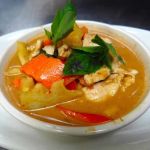
- Curries: Coconut cream is essential in Thai red, green, and yellow curries. It adds richness and smoothness, tempering the spice from chili peppers while infusing the curry with a deep, sweet flavor.
- Soups: In Thai soups like Tom Kha Gai (chicken coconut soup), coconut cream is a crucial element that provides the creamy texture and enhances the aromatic herbs like lemongrass and galangal.
- Desserts: Coconut cream is also used in Thai sweets, such as the popular sticky rice with mango. Its smooth consistency and natural sweetness complement the chewy rice and fresh mango perfectly.
- Drinks: Coconut cream is often added to Thai iced teas and coffees, lending a creamy, tropical flavor that makes these beverages extra indulgent.
For any Thai recipe requiring a rich and smooth texture, coconut cream is the go-to ingredient to achieve that signature flavor and consistency that Thai cuisine is known for.
4. Substitutes for Coconut Cream
While coconut cream is a key ingredient in many Thai dishes, there are instances when you may need or want to substitute it. Some alternatives to coconut cream include:
- Coconut Milk: If you don’t have coconut cream, you can use coconut milk, but be aware that it’s thinner and less rich. You can reduce coconut milk by simmering it until it thickens, but it won’t be as dense as coconut cream.
- Heavy Cream: For non-dairy alternatives, heavy cream can be used as a substitute for coconut cream, especially in desserts or when a richer texture is needed. However, it lacks the distinct coconut flavor.
- Almond or Cashew Cream: For those looking for a nut-based alternative, almond or cashew cream can work in savory Thai dishes, although it will have a different flavor profile.
While these substitutes can work in a pinch, there’s no exact replacement for the unique flavor and texture of coconut cream, which is why it’s worth keeping on hand for your Thai cooking adventures.
5. Real-Life Examples: How Coconut Cream Transforms Thai Dishes
Take the example of a traditional Thai curry. Without coconut cream, the curry would lack the richness and creaminess that makes it so appealing. The coconut cream not only enhances the flavor but also provides the creamy texture that makes the dish indulgent and comforting. A good curry with coconut cream has the perfect balance of heat, sweetness, and creaminess.
Similarly, Thai desserts like the famous sticky rice with mango wouldn’t be the same without the addition of coconut cream. The smooth and slightly sweet coconut cream complements the chewy rice and the fresh, fragrant mango, creating a simple yet exquisite dessert that has become beloved worldwide.
In my personal experience, I’ve found that using high-quality coconut cream truly elevates Thai dishes. One evening, I made a rich Thai green curry, and the addition of coconut cream made the dish more flavorful and satisfying than if I had used coconut milk alone. It’s a small touch that can make a big difference in the overall experience of the dish.
If you want to explore the best Thai ingredients, including authentic coconut cream, visit Thai Food for premium products and expert advice on how to elevate your Thai cooking!


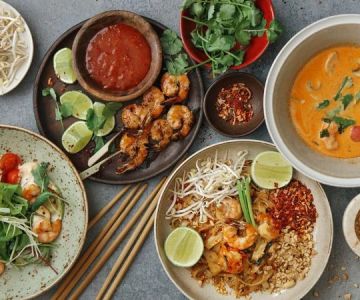
 Thai Basil Restaurant4.0 (602 reviews)
 Little Thai Kitchen3.0 (123 reviews)
 Dagg Thai Restaurant4.0 (1853 reviews)
 Top Thai 55 Carmine4.0 (4235 reviews)
 Thai-nese Fusion3.0 (75 reviews)
 Lemongrass Restaurant & Sake Bar4.0 (323 reviews)
 The Best Thai Food Recipes for Vegans Who Miss Bold Flavors
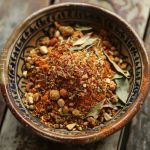 How to Build Your Own Thai Spice Blend: A Guide to Authentic Flavors
 How to Make Thai Food That’s Perfect for a Cozy Evening In
 The Best Thai Food Restaurants in Charlotte for Authentic Thai Cuisine
 The Best Thai Food Recipes for Weeknight Meal Swaps | Thai Food
 Thai Food Ingredient Spotlight: Holy Basil vs Sweet Basil — What’s the Difference?