Pad See Ew vs Pad Kee Mao vs Rad Na: How to Choose
On this page
Quick answer
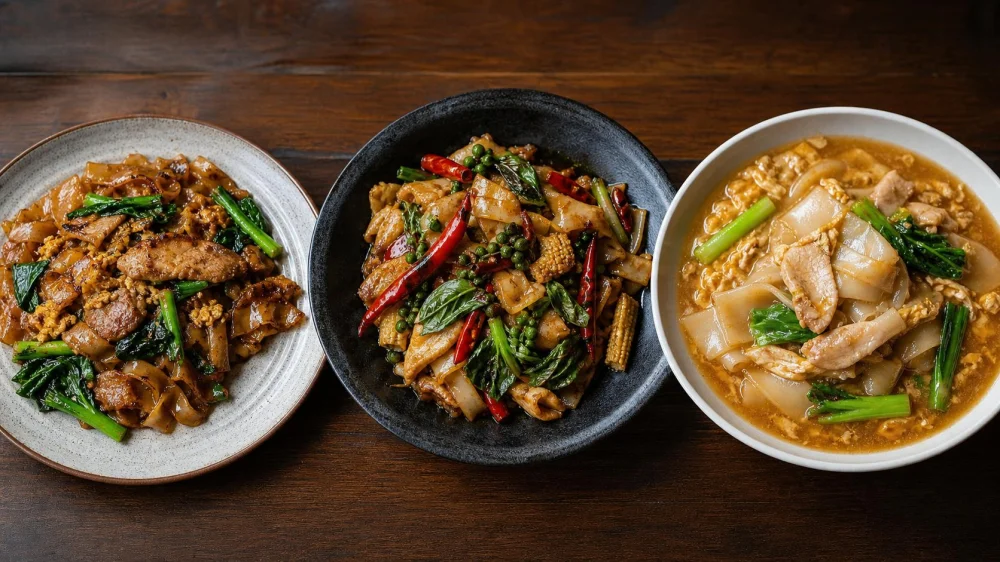
Choose pad see ew for savory-sweet soy-coated noodles with a wok-seared finish, pad kee mao for a more aromatic and often spicy stir-fry with chiles and basil, or rad na for noodles covered in a thick savory gravy. All three may use wide rice noodles, but sauce texture and aromatic profile make them distinctly different. Restaurant recipes and heat levels vary.
Wide rice noodles are flat noodles made primarily from rice flour and water; in these dishes they may be stir-fried until lightly charred or served beneath gravy.
What they share
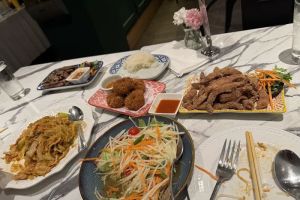
U.S. Thai menus often offer each dish with chicken, pork, beef, shrimp, tofu, or vegetables. Chinese broccoli, egg, soy-based seasonings, and fresh wide noodles may appear, but ingredients depend on the kitchen.
The useful distinction is not simply “three kinds of pad Thai.” These dishes have different seasoning, moisture, aroma, and eating experience, and none is defined by the sweet-tangy peanut-associated profile many diners connect with pad Thai.
Thai Basil Lindenhurst
LindenhurstSuffolk CountyNew York
201 S Wellwood Ave, Lindenhurst, NY 11757, USA
Pad see ew
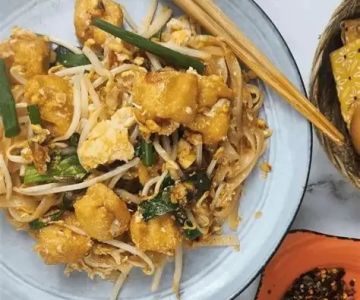
Pad see ew is a dry stir-fried noodle dish commonly built around dark and light soy seasonings, egg, and Chinese broccoli. Good versions balance savory depth, gentle sweetness, tender noodles, and browned edges from high heat.
Best for: diners who want rich soy flavor and a relatively straightforward stir-fry. Not ideal for: someone seeking a brothy or chile-forward dish.
Pad kee mao
Pad kee mao, frequently labeled drunken noodles, is also stir-fried but usually leans hotter and more aromatic. Chiles, garlic, basil, and vegetables can create a vivid savory profile.
Best for: diners who enjoy basil fragrance and noticeable chile heat. The English nickname does not guarantee that alcohol is an ingredient; ask the restaurant if that matters.
Rad na
Rad na pairs noodles with a glossy, thickened savory gravy and vegetables, often Chinese broccoli. The noodles may be seared first, so soft sauce and toasted edges can appear in the same bite.
Best for: diners who prefer saucy comfort food and a spoonable gravy. Not ideal for: someone who wants dry, separate noodles or strong chile heat by default.
Decision guide
- Want wok-seared, soy-rich, and gently sweet? Choose pad see ew.
- Want spicy, garlicky, and basil-forward? Choose pad kee mao.
- Want soft noodles with abundant savory gravy? Choose rad na.
- Sensitive to heat? Ask about the specific kitchen's recipe; color and dish name do not guarantee a level.
- Sharing? Order one dry stir-fry and one rad na for contrasting textures.
Ordering checklist
- Confirm the noodle type; some restaurants offer thin noodles or crispy noodles for rad na.
- Choose protein or vegetables and ask whether egg is standard.
- State your heat preference using the restaurant's scale.
- Ask whether substitutions will change the sauce or texture.
- For takeout, request gravy packed separately when available to preserve noodle texture.
- Communicate allergies and ask staff to verify every sauce and shared cooking surface.
Dietary and allergy notes
Soy, wheat, egg, fish, shellfish, and other allergens may appear in sauces, noodles, seasoning, or shared woks. Rice noodles do not make the completed dish automatically gluten-free. Tofu or vegetables do not guarantee vegetarian or vegan preparation because fish sauce, oyster-style sauce, egg, or shared equipment may be involved.
Recipes differ across Thailand, families, and U.S. restaurants. Use these descriptions as ordering guidance, not as rigid authenticity tests.
Frequently asked questions
Are drunken noodles made with alcohol?
Often no, despite the common English nickname. Recipes vary, so ask the restaurant if avoiding alcohol is important.
Which dish is usually the least spicy?
Pad see ew and rad na are commonly less chile-forward than pad kee mao, but only the restaurant can confirm its preparation.
Why do wide rice noodles sometimes stick together?
Fresh flat noodles are soft and can cling as they cook. High-heat technique and sauce distribution affect separation, but some connected pieces are normal.
Which travels best for takeout?
Pad see ew and pad kee mao avoid gravy soaking, while rad na can travel well if the gravy is packed separately and combined just before eating.
Sources and evidence notes
This comparison summarizes common culinary characteristics found across Thai restaurant menus and cooking practice. Names, spellings, sauces, noodle types, and accompaniments vary by region and kitchen.
Next steps
Decide first between dry stir-fry and gravy, then choose soy-rich or chile-basil aromatics. Confirm heat, ingredients, and noodle options with the restaurant, especially when dietary restrictions matter.
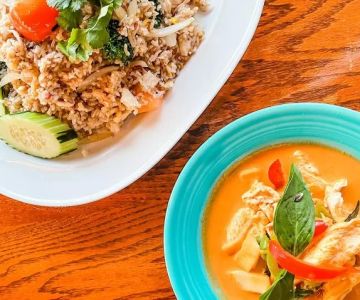

 Suwun Thai Home Cooking4.0 (231 reviews)
 Siam Orchid Thai Bistro4.0 (707 reviews)
 Malai Thai Cuisine4.0 (362 reviews)
 House of Thai4.0 (682 reviews)
 Sawadee Thai Fusion4.0 (204 reviews)
 Thai Amarin4.0 (422 reviews)
 The Best Thai Food Mobile Apps for Discovery & Delivery in the U.S.
 The Best Thai Food Recipes for Couples Cooking Together
 How to Make the Most of Thai Food and Mindful Eating
 Best Thai Meat Recipes for Meat Lovers Seeking Something New
 Mastering Thai Fish Sauce: Uses and Tips for Flavorful Cooking
 The Best Thai Food Recipes for Hosting a Dinner Party