
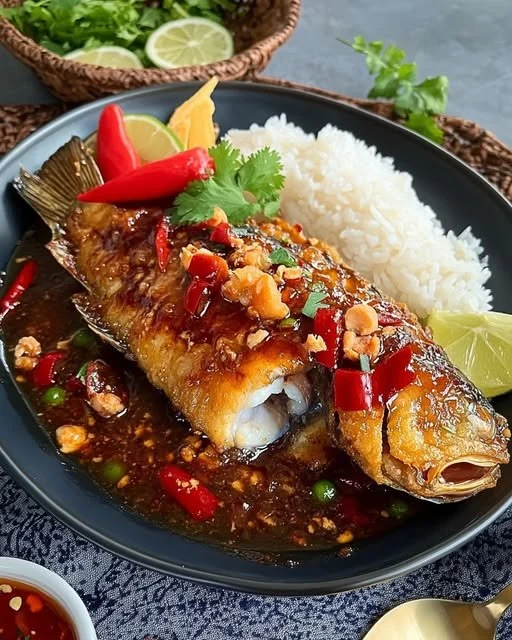
Unlocking the Secrets of Thai Fish Sauce for Everyday Cooking
- 1-Understanding-Thai-Fish-Sauce
- 2-Cooking-with-Confidence
- 3-Creative-Ways-to-Use
- 4-Storing-and-Selecting
- 5-Enhancing-Your-Dishes
1. Understanding Thai Fish Sauce
Thai fish sauce, known locally as nam pla, is a staple in Thai cuisine that brings a depth of umami flavor to dishes. Made from fermented fish, typically anchovies, and salt, this liquid condiment may appear intimidating due to its strong aroma, but its flavor transforms dishes when used properly. Beyond Thailand, fish sauce is celebrated across Southeast Asia for its ability to enhance soups, stir-fries, marinades, and dipping sauces.
It’s important to note that authentic Thai fish sauce is naturally fermented, offering complex flavors that store-bought substitutes often lack. Understanding this foundation makes it easier to integrate into your cooking confidently.

2. Cooking with Confidence
Many home cooks hesitate to use fish sauce because of its pungent smell. The key is to use it in measured amounts. Start with small quantities, tasting as you go. For instance, a teaspoon added to a stir-fry or soup can elevate the dish without overwhelming it. Over time, you’ll learn how the sauce interacts with other ingredients, allowing you to balance flavors effectively.
Professional chefs often recommend combining fish sauce with lime juice, garlic, and sugar to create harmonious sauces that are both tangy and savory. This combination can be used for dressings, marinades, or as a dipping sauce for appetizers.
Prainam Thai Restaurant & Bar
Port WashingtonNassau CountyNew York
170 Main St, Port Washington, NY 11050, USA
3. Creative Ways to Use Thai Fish Sauce
Beyond traditional Thai dishes, fish sauce can be creatively applied to enhance flavors in everyday cooking. Here are a few ideas:
- Marinades: Mix fish sauce with citrus and herbs for meat, poultry, or tofu to impart deep umami flavors.
- Soups and broths: A splash added to chicken or vegetable stock can enhance the savory depth.
- Vegetable stir-fries: Use fish sauce instead of salt to season sautéed vegetables for a richer taste.
- Dips and dressings: Combine with lime, sugar, and chili for an easy and flavorful dipping sauce.
4. Storing and Selecting the Right Fish Sauce
Choose a fish sauce with a clear, amber color and minimal additives for the best results. Store it in a cool, dark place, and it can last for months. Once opened, refrigeration can help maintain freshness, though many traditional recipes do not require it.
When selecting a brand, consider checking the label for natural fermentation and minimal artificial ingredients. This ensures authentic flavor and better health benefits for your dishes.
5. Enhancing Your Dishes Without Fear
With proper understanding and measured use, Thai fish sauce can become a reliable kitchen ally. Start with small doses, taste often, and don’t be afraid to experiment with combinations of herbs, citrus, and spices. Over time, you’ll develop a nuanced palate that allows you to use this powerful ingredient effectively in a variety of recipes.
For curated Thai ingredients and recipes that simplify using fish sauce, explore Thai Food to discover products, tools, and inspiration for creating flavorful meals at home.

 Sala Thai4.0 (3570 reviews)
 Thai Diva Cuisine4.0 (335 reviews)
 Xay's Kitchen Laos & Thai Cuisine4.0 (256 reviews)
 Baan Thai Sabaidee4.0 (298 reviews)
 Ler Lers4.0 (180 reviews)
 Pinto Thai Kitchen4.0 (262 reviews)
 How to Make Thai Food That’s One-Pot & One-Pan Friendly
 Thai Food for Fitness: Thai Dishes That Support Your Workout Recovery
 How to Make Restaurant-Quality Pad Thai at Home in Under 30 Minutes
 How to Make Southern Thai Seafood Dishes at Home
 How to Make Thai Papaya Salad (Som Tum) at Home
 How to Make Thai Food That’s Worth Turning Leftovers Into Magic