
Thai Gai Yang Guide: Marinade, Char, Dipping Sauce, and Sharing
On this page
Quick answer
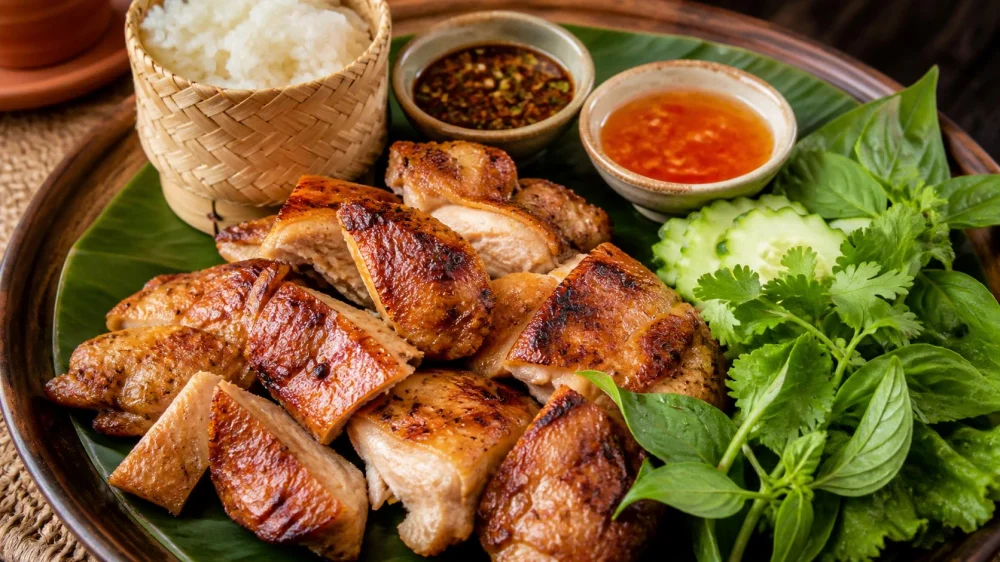
Gai yang is Thai grilled chicken, often marinated with garlic, coriander root or stems, pepper, fish sauce, and other seasonings before charcoal or flame grilling. Restaurant versions differ, so ask which cut is served, whether bones and skin remain, how large the portion is, and which dipping sauce comes with it.
Look for juicy fully cooked meat, rendered skin, aromatic marinade, and controlled char rather than bitter black crust. Pair it with sticky rice, som tam, vegetables, or another bright dish, and use sauce a little at a time.
Understand the restaurant’s style
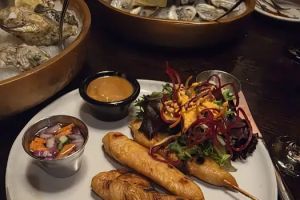
The menu may offer a quarter, half, whole chicken, skewers, boneless pieces, or an individual plate. Isan-style meals commonly combine grilled chicken with sticky rice and salads, but restaurants adapt seasoning and presentation. Confirm whether the listed price is a single portion or a shared platter.
Ask about sweetness, fish sauce, soy, garlic, pepper, lemongrass, turmeric, and chile when flavor or allergens matter. Marinades are not visible after cooking, and dipping sauces may contain fish sauce, soy, peanuts, sesame, shellfish, or gluten-containing ingredients.
Judge cooking and texture
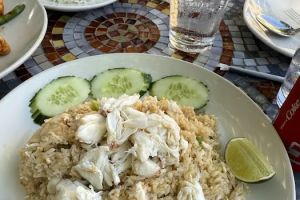
Bone-in pieces can retain moisture and provide varied textures; boneless cuts are easier to divide. Skin should be rendered and fragrant, with crisp or taut areas depending on the grill. Char should contribute smoke without coating every bite in soot. Compare a thicker joint piece with a thinner edge before judging the whole platter, because heat and marinade concentrate differently across the bird.
Chicken must be safely cooked. If meat appears undercooked, cool at the bone, or unusually pink in a concerning way, stop eating and ask the restaurant to assess it. Color alone is imperfect, so do not conduct your own invasive temperature test at the table unless the restaurant provides one.
Choose sauce and sides
Jaew-style dipping sauce may bring toasted rice, chile, lime or tamarind, herbs, and fish sauce. A sweeter chile sauce creates a different balance. Ask whether one or several sauces arrive and taste each separately before pouring it over the chicken.
Sticky rice absorbs juices and tempers heat. A crisp green-papaya salad or vegetable dish can cut richness, while a soup adds moisture to a shared meal. Consider the salt, heat, sweetness, and protein already present across the table.
Build a shared order
- Confirm cut, bone-in status, and portion count.
- Ask about marinade and sauce allergens.
- Choose a heat level based on both sauce and side dishes.
- Add sticky or jasmine rice according to the table’s preferences.
- Include a fresh, sour, or vegetable dish for contrast.
- Divide large pieces with serving utensils before hands reach across the platter.
- Request a clean plate for bones and keep raw-food utensils away from cooked chicken.
Order in stages when uncertain. A whole chicken plus several mains may overwhelm a small table, while one small portion can disappear quickly among many diners. If grilling takes longer, order early and ask the server to pace salads and rice so hot chicken reaches the table when everyone is ready to share.
Ordering checklist
- Chicken cut, bones, skin, and portion confirmed
- Marinade ingredients and allergens checked
- Char level and juiciness considered
- Dipping sauce tasted separately
- Rice and bright side chosen
- Heat balanced across the meal
- Serving utensils and bone plate available
- Any undercooking concern reported immediately
Limitations
No single recipe represents every region or restaurant. Marinade, cut, grill fuel, sauce, sweetness, and portion vary. Menu names do not establish allergen controls or cooking method; ask the kitchen about the specific dish.
FAQ
Is gai yang spicy?
The chicken may be mild while the dipping sauce is hot. Ask about both.
Does it always come with sticky rice?
No. Rice and salads may be separate orders.
Why is the skin dark?
Marinade and grilling create browning and char, but bitter burned areas are different from controlled caramelization.
Is it boneless?
Often not. Confirm the cut before ordering, especially for children or diners who prefer boneless meat.
Can sauce contain allergens?
Yes. Fish sauce, soy, peanut, sesame, shellfish, or other ingredients may appear; discuss cross-contact too.
Evidence notes
The best restaurant evidence is the menu description, server confirmation of cut and portion, marinade and sauce ingredient information, visual doneness, texture across more than one piece, and how the platter is served. Regional context helps explain the dish but does not replace kitchen-specific answers.
Conclusion
Order gai yang by separating four decisions: chicken cut, marinade, char, and sauce. Match the portion to the table, add rice and something bright, taste sauce before pouring, and let juicy grilled chicken remain the center of the plate.

 Get Thai Takeaway4.0 (74 reviews)
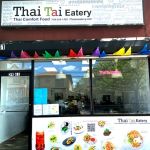 Thai Tai Eatery4.0 (119 reviews)
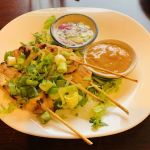 Aura Thai Restaurant3.0 (185 reviews)
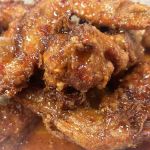 Kc Siam0.0 (0 reviews)
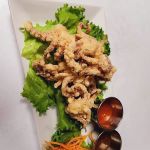 Truly Thai Restaurant4.0 (270 reviews)
 San Aroy Thai Kitchen4.0 (211 reviews)
 Best Thai Meat Recipes for Meat Lovers Seeking Something New
 Thai Food Ingredient Spotlight: Thai Coconut Cream — How to Choose & Use | Perfect for Thai Recipes
 Thai Dessert Ordering Guide: Texture and Sweetness
 Best Thai Food Restaurants in Richmond for Authentic Thai Cuisine
 The Best Thai Food Restaurants in Las Vegas for Flavor Seekers
 The Best Thai Food Restaurants in Dallas for Flavor Seekers