Thai Restaurant Allergy Order: Ask About Shared Prep
For a food allergy, tell the restaurant the exact allergen and that cross-contact matters before ordering. Ask staff to check recipes, packaged sauces, curry pastes, garnishes, broths, marinades, and shared equipment with the kitchen. “No peanuts,” “vegetarian,” or “gluten-free” may describe an ingredient choice without guaranteeing separate preparation. If staff cannot verify the dish or your risk is severe, choose another option or do not eat. Follow the emergency plan from your healthcare professional.
In this guide
Name the Allergen Clearly
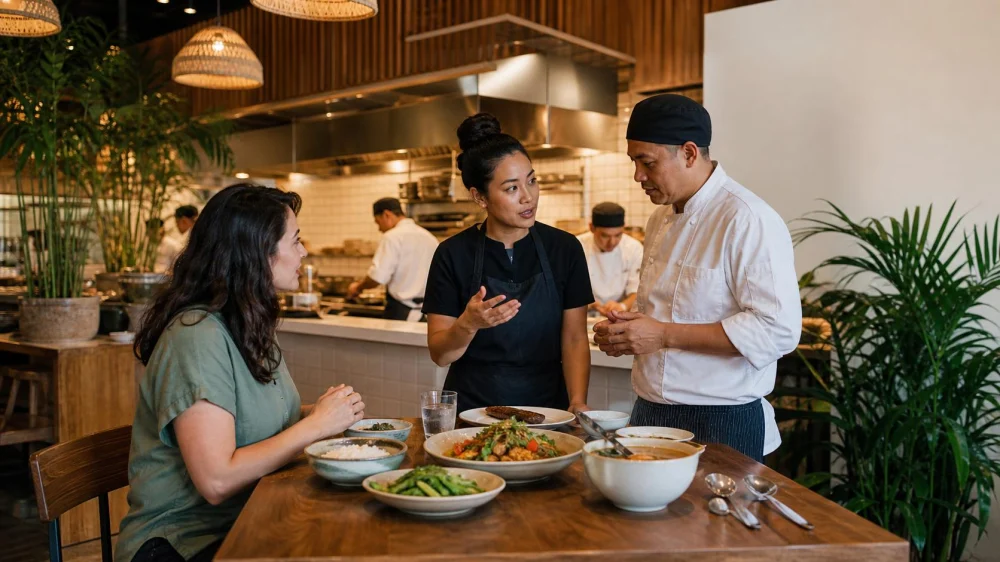
State the specific food, not just “I have allergies.” Explain that even a small amount or shared utensil may matter if that is true for you. Ask the server to communicate directly with the kitchen and return with an answer rather than guessing from memory.
Language and ingredient names can vary. A translated allergy card may help, but it does not replace a conversation about the exact restaurant's recipes and workflow. Avoid jokes or preference language that could make the request sound optional.
When dining with a child or another person, let one informed adult lead the conversation and repeat the answer back. Keep the allergen request connected to that diner's name and seat so runners and servers can identify the correct plate. Confirm again if shifts change or a second course is ordered.
Ask About Less-Visible Sources
Thai dishes can include ingredients that are not obvious from the menu name. Ask about fish sauce, oyster sauce, shrimp paste, soy sauce, curry paste, broth, coconut products, peanuts, cashews, eggs, wheat-containing noodles or wrappers, dairy additions, and garnishes as relevant to your allergy. This is not a complete list.
Premade pastes, seasoning powders, sauces, desserts, and beverages may contain multiple ingredients. Ask whether staff can check the original label or supplier specification. “The cook does not add it” is different from confirming that a prepared component does not contain it.
Check Shared Preparation
Ask whether woks, fryers, grills, pots, strainers, cutting boards, knives, ladles, storage bins, and plating areas are shared. High heat does not reliably make an allergen safe. Removing a garnish after plating does not remove residue.
Restaurants vary in size and ability to create separation during a busy service. Ask what the kitchen can actually do: clean cookware and utensils, fresh gloves after handwashing, unopened ingredients, a separate preparation area, or another verified procedure. No process can promise zero risk.
Treat Menu Labels Carefully
“Vegan” does not automatically mean free of peanuts, tree nuts, soy, wheat, or sesame. “Gluten-free” is not the same as wheat-allergy-safe, and a rice-noodle dish may still use a wheat-containing sauce or shared water. “No fish sauce” may not address shrimp paste or broth.
Spice level is separate from allergy safety. Chili heat can cause discomfort but is not proof of an allergic reaction; conversely, a serious reaction may begin without a spicy sensation. Use your medical action plan for symptoms.
Place and Confirm the Order
Order at a less busy time when possible and speak to a manager or knowledgeable staff member. Choose a simpler dish only if its ingredients and preparation can be verified; simplicity alone is not a guarantee. Avoid buffet service when shared utensils and spills make risk unacceptable for you.
When the plate arrives, confirm that it is the allergy order before tasting. Look for unexpected sauces or garnishes. If the wrong dish arrives, request a newly prepared replacement rather than removal of the visible ingredient.
Handle Takeout and Delivery
Written app notes may be truncated or missed. Call the restaurant before placing the order, add the allergy note in the supported field, and ask how the package will be marked without relying on that mark alone. Check the name and full order at pickup.
Keep allergy-safe food closed and separate from leaking containers. Shared serving spoons at home can undo careful preparation. If the restaurant cannot confirm which container is yours, do not taste to identify it.
Prepare for a Reaction
Carry prescribed emergency medication and ensure companions know the plan. If symptoms occur, stop eating and follow the plan from your healthcare professional. Use epinephrine when prescribed and indicated; do not substitute an antihistamine for epinephrine in anaphylaxis. Call emergency services as directed, because symptoms can progress or recur.
Do not drive yourself during a serious reaction. Keep the receipt, menu description, packaging, and ingredient information when safe, but never delay treatment to collect evidence.
Allergy Conversation Checklist
- Exact allergen and cross-contact concern stated
- Recipe, premade sauces, pastes, broth, and garnish checked
- Shared fryer, wok, grill, pot, utensils, and plating discussed
- Menu labels interpreted for the specific allergen
- Kitchen—not a guess—confirmed the answer
- Final plate or package identified before tasting
- Prescribed medication and emergency plan available
- Meal declined if verification was not possible
Frequently Asked Questions
Is pad Thai always made with peanuts?
Recipes and garnishes vary, and shared prep may matter even when peanuts are omitted. Ask about the complete recipe and kitchen workflow at that restaurant.
Is coconut a tree nut?
Regulatory labeling and individual allergies can differ. Follow your allergist's advice and ask about the exact coconut ingredient rather than relying on a category assumption.
Does extra cooking destroy allergens?
Do not rely on ordinary restaurant cooking to make an allergen safe. Cross-contact and allergenic proteins can remain.
Can a restaurant guarantee an allergy-safe meal?
Many restaurants cannot guarantee zero cross-contact. Ask what controls are possible, then make a decision based on your medical risk and plan.
What if the server seems unsure?
Ask for a manager or someone who can consult the kitchen and labels. If a reliable answer is unavailable, do not order the dish.
Clear allergy ordering is a two-way verification process, not a special-requests note. Ingredients and restaurant procedures change, and this guide cannot assess your personal risk. Work with a qualified healthcare professional on avoidance and emergency treatment, and seek emergency help for a suspected severe reaction.
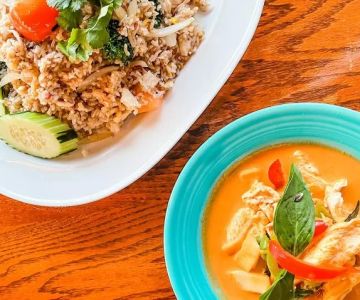

 Sunrise 2 Authentic Thai Food (Bryn Mawr Location)4.0 (46 reviews)
 Thai Kitchen Restaurant4.0 (32 reviews)
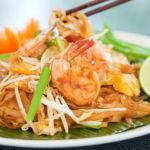 THAI KITCHEN - Thai Restaurant4.0 (334 reviews)
 KRU Brooklyn4.0 (258 reviews)
 Eim Dee Thai4.0 (176 reviews)
 Mitr Thai Restaurant4.0 (7209 reviews)
 How to Make Thai Food That’s Great With Leftovers & Fridge Staples
 How to Make Thai Food That’s Deep Flavor without High Cost
 How to Make Thai Food That’s Kid-Friendly and Still Bold
 The Ultimate Guide to Thai Food for Late Summer: Salads & Light Meals
 The Best Thai Food Recipes for Stress-Free Entertaining
 Thai Food Near Me in Tacoma: Curry Spots in the City of Destiny