
- 1. Introduction to Thai Food Culture
- 2. Characteristics of Thai Street Food
- 3. Thai Restaurant Food in the U.S.
- 4. Key Differences Between Thai Street Food and Restaurant Thai in America
- 5. The Experience of Eating Thai Street Food vs. Dining at a Thai Restaurant
1. Introduction to Thai Food Culture
Thai cuisine is celebrated worldwide for its bold flavors and vibrant ingredients. However, the way Thai food is prepared and served can vary widely depending on where it is consumed. In the United States, Thai food can be found in both street food stalls and formal restaurants, each offering a distinct experience. Understanding these differences can enhance your appreciation of Thai culinary traditions and give you a deeper connection to the food. In this article, we’ll explore the differences between Thai street food and restaurant Thai food in America.

2. Characteristics of Thai Street Food
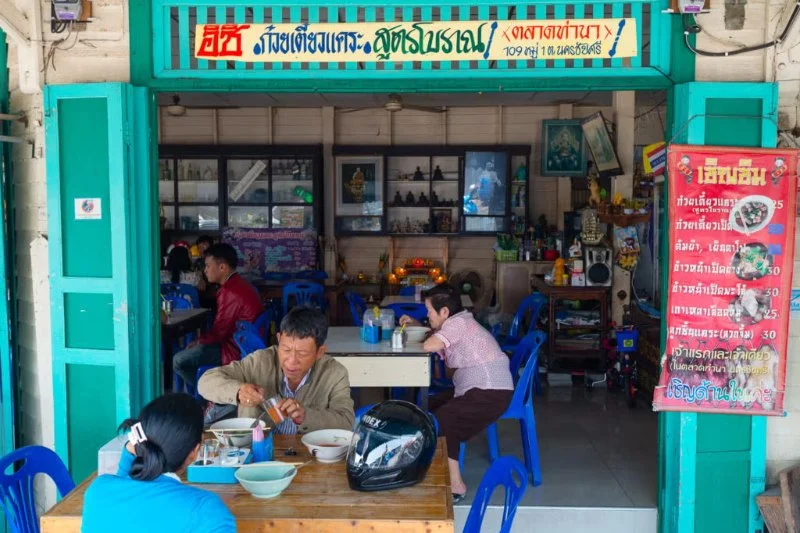
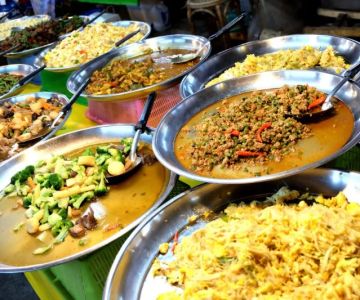
Thai street food is an integral part of Thai culture, especially in cities like Bangkok, where street vendors can be found on nearly every corner. Street food is characterized by its quick preparation, vibrant flavors, and the use of fresh, locally sourced ingredients. Some key features of Thai street food include:
- Freshness and Simplicity: Street food vendors often use fresh ingredients and prepare food on the spot. The meals are typically simple but packed with bold flavors.
- Variety of Flavors: Street food dishes focus on balancing sweet, salty, sour, and spicy elements, creating a dynamic and flavorful experience.
- Casual Dining: Eating on the go is common with Thai street food. It’s often served in small portions and can be eaten quickly, making it ideal for busy lifestyles.
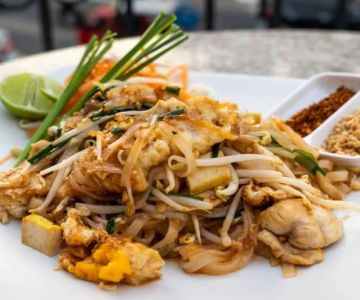
- Popular Dishes: Some popular Thai street food dishes include Pad Thai, Som Tum (green papaya salad), Satay, and Khao Man Gai (chicken rice).
3. Thai Restaurant Food in the U.S.
While Thai street food has a global reputation, Thai restaurants in the U.S. offer a more formal dining experience with dishes that often reflect the regional diversity of Thailand. These restaurants can range from casual eateries to upscale dining, but the food tends to be more elaborate and refined compared to street food. Key characteristics of Thai restaurant food include:
- Complexity and Variety: In contrast to street food’s simplicity, restaurant Thai food often features more complex dishes, with multiple ingredients and layers of flavor.
- Presentation: At a Thai restaurant, food is usually presented more artfully, with careful attention to the plating, which enhances the overall dining experience.
- Expanded Menu: Thai restaurants offer a wider range of dishes, from soups and curries to stir-fries and desserts, allowing for a more diverse meal.
- Service: Dining at a Thai restaurant typically involves table service and a more relaxed, sit-down experience, offering a contrast to the fast-paced nature of street food.
4. Key Differences Between Thai Street Food and Restaurant Thai in America
While both Thai street food and restaurant Thai in the U.S. share similar core ingredients, there are some clear differences between the two:
- Preparation Style: Street food is often cooked quickly in front of you, using a smaller set of ingredients, while restaurant food is typically prepared in more sophisticated kitchens with a wider variety of ingredients.
- Flavor Balance: Street food tends to emphasize bold, street-style flavors that are salty, spicy, and sour, while restaurant Thai may feature more subtle flavor nuances and diverse textures.
- Portion Size: Street food portions are usually smaller, designed for quick eating and portability, while restaurant portions are generally larger, intended for a more leisurely dining experience.
- Ingredients: While both use fresh ingredients, restaurants may use higher-end or imported ingredients that are not typically found in street food, such as premium meats or specialty herbs and spices.
5. The Experience of Eating Thai Street Food vs. Dining at a Thai Restaurant
Eating Thai street food and dining at a Thai restaurant provide two very different experiences. When eating street food, the focus is on convenience, speed, and enjoying flavorful dishes in a bustling environment. Street food vendors often operate from open-air stalls, which adds to the authentic, vibrant experience.
On the other hand, dining at a Thai restaurant is often a more relaxed affair. Restaurants in the U.S. create a welcoming atmosphere where you can savor your meal in a comfortable setting. The ambiance, service, and variety of dishes contribute to an experience that is more leisurely and focused on enjoying the full spectrum of Thai cuisine.
Whether you’re grabbing a quick bite from a street vendor or sitting down for a multi-course meal, both options offer a unique and delicious way to enjoy Thai food. It all depends on what kind of experience you’re looking for!
For more information on the best Thai food spots, visit Thai Food for recommendations and products.


 Love at First Bite Thai Kitchen and Bar4.0 (565 reviews)
 Thai Delight (formerly Lil Thai Pin)3.0 (236 reviews)
 One More Thai4.0 (333 reviews)
 Pho Delight Thai Restaurant4.0 (302 reviews)
 Bangkok Thai Cuisine II4.0 (161 reviews)
 Ruby Thai Kitchen3.0 (43 reviews)
 How to Make Thai Food That’s Balanced for a Healthy Lifestyle
 The Best Thai Food Recipes for Meal Delivery Night (Cook in Advance)
 How to Make Thai Papaya Salad (Som Tum) at Home
 How to Make the Most of Thai Food and Mindful Eating
 The Best Thai Food Recipes for Solo Dining & Comfort Cooking
 How to Make Thai Food That’s Ready in Under 20 Minutes Without Losing Real Thai Flavor