
- Understanding the Mediterranean Diet Principles
- How to Blend Thai Flavors with Mediterranean Diet Ingredients
- Healthy Thai Dishes That Fit the Mediterranean Diet
- Real-World Example of Thai Mediterranean Diet Recipes
- Tips for Making Thai Food Mediterranean Diet Friendly
Understanding the Mediterranean Diet Principles
The Mediterranean diet is widely praised for its health benefits, including its focus on fresh fruits and vegetables, whole grains, healthy fats (like olive oil), and lean proteins, such as fish and legumes. It emphasizes a balanced approach to eating, with a variety of colorful, nutrient-rich foods. This diet also highlights the importance of enjoying meals in a relaxed, social setting, encouraging mindfulness while eating. The key principles include:
- Plant-based foods: Fresh vegetables, fruits, legumes, nuts, and whole grains are at the core of Mediterranean eating.
- Healthy fats: Olive oil is the primary fat used in cooking and dressings.
- Moderate protein consumption: Fish and seafood are prioritized over red meat, and legumes and beans provide plant-based protein.
- Herbs and spices: Fresh herbs like basil, oregano, and rosemary are often used instead of salt to flavor dishes.
How to Blend Thai Flavors with Mediterranean Diet Ingredients
While Thai cuisine is known for its bold flavors—spicy, sweet, salty, and sour—it’s possible to create dishes that align with the Mediterranean diet by focusing on fresh ingredients and healthy cooking techniques. Here’s how to combine the best of both worlds:
- Use Olive Oil: In Thai cooking, coconut oil is common, but to align with the Mediterranean diet, switch to olive oil. Olive oil will still provide the richness needed for stir-fries, salads, and dressings.
- Incorporate Fresh Herbs: Replace some of the traditional Thai spices like lemongrass and galangal with Mediterranean herbs such as basil, oregano, and mint. These herbs pair wonderfully with many Thai dishes and bring a fresh, light flavor.
- Embrace Whole Grains: Swap rice noodles or white rice for whole grains like quinoa or brown rice. Both options complement Thai flavors while providing a more nutritious base that aligns with Mediterranean principles.
- Focus on Seafood and Legumes: Thai cuisine uses a lot of fish and shrimp, which fits well with the Mediterranean diet’s emphasis on seafood. Additionally, use legumes like chickpeas or lentils in dishes such as Thai curries or salads to add protein while keeping the dish light and healthy.
Healthy Thai Dishes That Fit the Mediterranean Diet
Here are a few healthy Thai dishes that align with Mediterranean diet principles, bringing together vibrant Thai flavors with the healthy ingredients found in Mediterranean cuisine:
- Thai-Style Grilled Fish with Herbs: Grilled fish (such as mackerel or tilapia) seasoned with Mediterranean herbs like rosemary, basil, and thyme. Serve it with a side of quinoa or brown rice and a squeeze of fresh lemon.
- Thai Salad with Olive Oil Dressing: A refreshing Thai-inspired salad made with mixed greens, tomatoes, cucumbers, and fresh herbs. Dress it with olive oil, lemon, and a touch of fish sauce for an authentic Thai flavor.
- Tom Yum Soup with Seafood: This classic Thai soup features a spicy, sour broth with shrimp or fish, mushrooms, and fresh herbs. For a Mediterranean twist, use olive oil and add extra vegetables like zucchini or tomatoes.
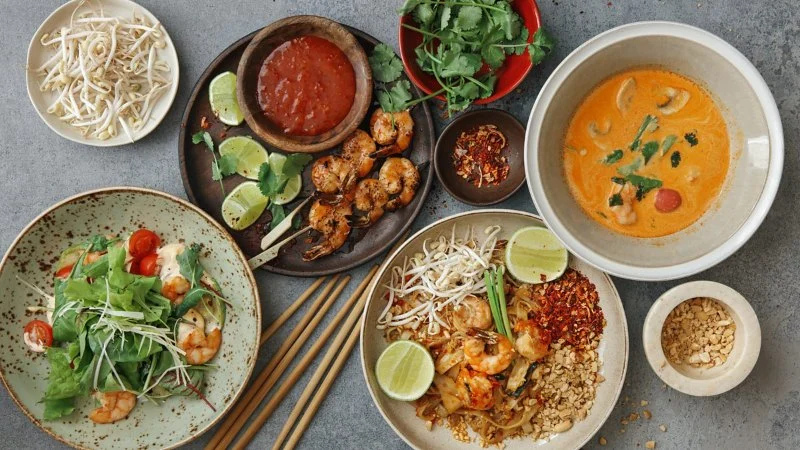
- Pad Thai with Whole Grains: Swap traditional rice noodles for whole grains like quinoa or brown rice in this iconic Thai noodle dish. Include plenty of vegetables and top with a sprinkle of fresh cilantro and a drizzle of olive oil.
Real-World Example of Thai Mediterranean Diet Recipes
Consider a real-world example: A family in California enjoys blending Thai and Mediterranean flavors by making a “Mediterranean Pad Thai.” Instead of using traditional rice noodles, they use whole wheat spaghetti and olive oil in place of peanut oil. The dish includes shrimp, bell peppers, and zucchini, topped with a fresh herb sauce made from basil and mint, adding a Mediterranean flair to the iconic Thai dish. By combining fresh, healthy ingredients from both cuisines, they’re able to create a delicious meal that fits within the Mediterranean diet while still embracing Thai flavors.

Tips for Making Thai Food Mediterranean Diet Friendly
Making Thai food aligned with Mediterranean diet principles doesn’t have to be difficult. Here are some tips to help you make Thai dishes that are both healthy and flavorful:
- Opt for Lean Proteins: Use fish, seafood, and tofu as your primary sources of protein. These are lighter options that fit well with the Mediterranean diet’s emphasis on lean, healthy proteins.
- Incorporate More Vegetables: Thai cuisine already features a variety of vegetables, so continue this by adding even more vegetables to your dishes. Incorporate bell peppers, eggplant, zucchini, and spinach to create a more colorful, nutritious plate.
- Reduce Added Sugars: While Thai food often includes sugar in dishes like curries or sauces, you can reduce the sugar or substitute with natural sweeteners like honey or maple syrup to keep the dish aligned with Mediterranean principles.
- Focus on Healthy Fats: The Mediterranean diet emphasizes the use of healthy fats such as olive oil. Replace coconut milk or cream in Thai curries with olive oil to maintain the rich flavor while staying true to Mediterranean dietary guidelines.
If you’re looking for the best ingredients or inspiration for your Mediterranean-inspired Thai meals, check out Thai Food for the best products, recipes, and tips to help you bring both cuisines into your kitchen seamlessly.

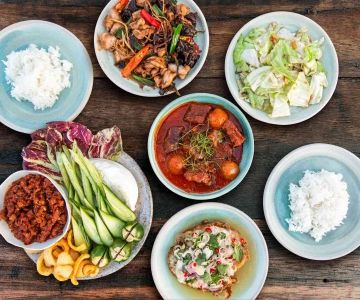
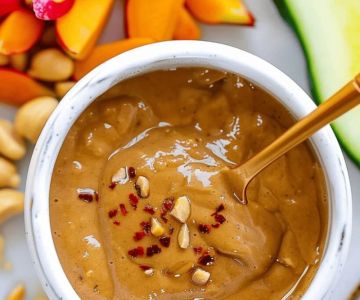
 Kapow Thai Cuisine4.0 (166 reviews)
 The Boss Restaurant (Wakefield)4.0 (77 reviews)
 Noods n’ Chill4.0 (342 reviews)
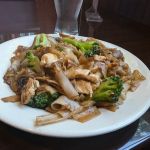 Thai House Restaurant4.0 (326 reviews)
 A Lot of Thai4.0 (486 reviews)
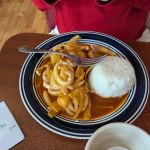 Thai Pepper4.0 (398 reviews)
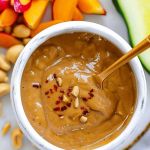 How to Make Thai Peanut Sauce from Scratch (and Use It Everywhere)
 The Best Thai Food Recipes for Tailgating & Game Day
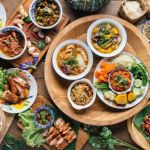 The Best Thai Food Blogs About Thai Culture & Cuisine
 The Best Thai Food Recipes for Comfort & Nostalgia
 The Ultimate Guide to Thai Food for Late Summer: Salads & Light Meals
 The Best Thai Food Recipes for Meal Swaps After Travel