1. What is Sticky Rice and Why is It Essential in Thai Cuisine?
- 1. What is Sticky Rice and Why is It Essential in Thai Cuisine?
- 2. Different Types of Sticky Rice
- 3. How to Prepare Thai Sticky Rice
- 4. How to Serve Sticky Rice with Thai Dishes
- 5. Health Benefits of Sticky Rice
1. What is Sticky Rice and Why is It Essential in Thai Cuisine?
Sticky rice, also known as glutinous rice or sweet rice, is a unique type of rice that is essential to many Thai dishes. Unlike regular rice, sticky rice has a higher starch content, making it sticky and clumpy when cooked. This characteristic makes it perfect for pairing with dishes that require a sturdy and sticky accompaniment, such as grilled meats, curries, or even desserts.
Sticky rice is a staple in Thai food and holds cultural significance. In fact, it is often used in festivals, religious ceremonies, and communal gatherings. It has a subtle sweetness and a chewy texture that makes it distinct from other types of rice. The tradition of eating sticky rice with the hands further enhances its cultural experience, making it a key element in Thai dining.

Ruby Thai Kitchen
BurlingtonMiddlesex CountyMassachusetts
75 Middlesex Turnpike, Burlington, MA 01803, USA
2. Different Types of Sticky Rice
Not all sticky rice is the same! There are various types of sticky rice, each offering different flavors and textures. Some of the most common types used in Thai cooking include:
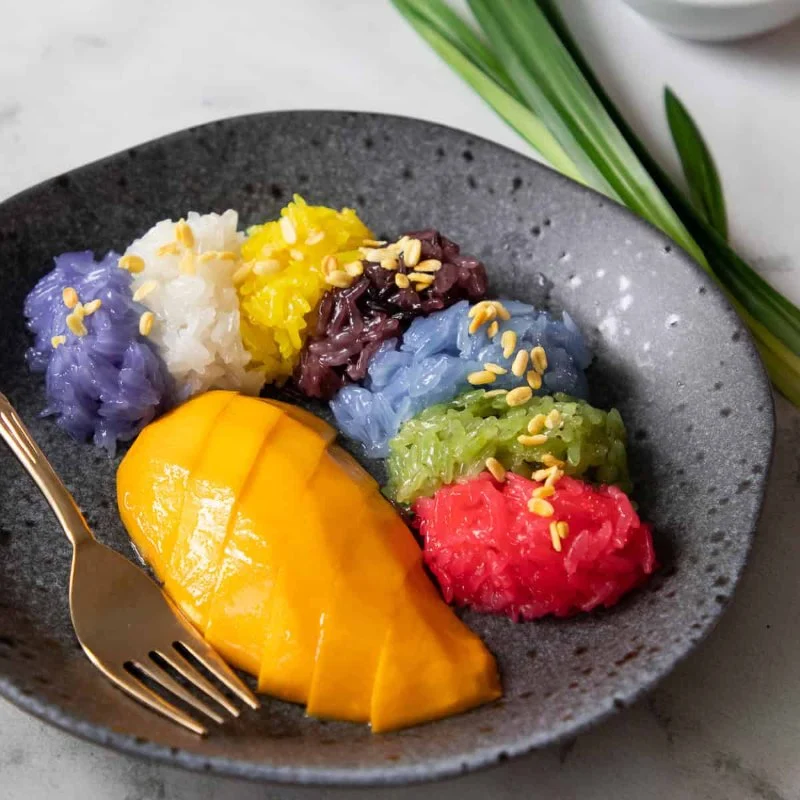
- White Sticky Rice: This is the most common variety used in Thailand and is typically served alongside savory dishes like grilled meats, seafood, and curries. It is also the base for traditional Thai desserts.
- Black Sticky Rice: This variety has a deep purple hue and a slightly nutty flavor. It is often used in desserts such as black sticky rice pudding (khao niew mamuang), and is known for its rich and complex taste.
- Red Sticky Rice: Red sticky rice has a distinct reddish-brown color and a more earthy flavor compared to white sticky rice. It is used in both savory and sweet dishes and is often paired with rich curries or made into rice cakes.
Each type of sticky rice has its unique uses in Thai cuisine, depending on the dish being prepared. Understanding these varieties will help you elevate your Thai meals by using the right type of sticky rice for the dish.
Kay Thai Eatery
FairfieldGreater Bridgeport Planning RegionConnecticut
2449 Black Rock Tpke, Fairfield, CT 06825, USA
3. How to Prepare Thai Sticky Rice
Making Thai sticky rice requires a bit of care, but the process is simple once you get the hang of it. Here’s a step-by-step guide to making perfect sticky rice:
- Soak the Rice: Sticky rice needs to be soaked for several hours before cooking. Typically, it is soaked for at least 4 hours or overnight to soften the grains and prepare them for steaming.
- Rinse the Rice: After soaking, rinse the sticky rice thoroughly in cold water to remove excess starch. This step helps to prevent the rice from becoming too sticky and clumpy.
- Steam the Rice: The most traditional way to cook sticky rice is by steaming it in a bamboo basket or a metal steamer. You’ll want to steam the rice for about 30-45 minutes, depending on the amount of rice.
- Fluff and Serve: After steaming, fluff the sticky rice with a fork or a spoon to separate the grains. It should be soft, sticky, and slightly translucent when done.
Note that sticky rice is not typically boiled like other rice varieties. Steaming helps maintain its sticky texture and unique flavor.
4. How to Serve Sticky Rice with Thai Dishes
Sticky rice is incredibly versatile and can be paired with a variety of savory and sweet dishes. Here are some traditional ways to serve sticky rice in Thai cuisine:
- With Grilled Meats: Sticky rice is often served as an accompaniment to grilled meats, such as the famous Thai dish “som tam” (green papaya salad) with grilled chicken or “moo yang” (grilled pork). The rice helps to balance out the bold and spicy flavors of these dishes.
- In Thai Curries: Pair sticky rice with rich and flavorful curries like red curry, green curry, or Massaman curry. The sticky rice absorbs the curry’s flavors, making each bite more satisfying.
- For Desserts: Sticky rice is also used in Thai desserts, particularly when paired with mango or coconut. The popular dessert “khao niew mamuang” features sticky rice with sweet coconut milk and ripe mango slices.
Sticky rice is best enjoyed fresh and warm. When serving, you can shape the rice into small balls or simply place it on a plate next to your main dish for easy access.
5. Health Benefits of Sticky Rice
While sticky rice is primarily known for its delicious taste and versatility in Thai cuisine, it also offers several health benefits when consumed in moderation:
- High in Energy: Sticky rice is rich in carbohydrates, providing a quick and sustained source of energy for the body, making it perfect for athletes or anyone needing a boost of fuel.
- Gluten-Free: Sticky rice is naturally gluten-free, making it an excellent option for those with gluten sensitivities or celiac disease.
- Rich in Fiber: Sticky rice, particularly the black and red varieties, contains more fiber than white rice, which helps with digestion and may contribute to better gut health.
Overall, sticky rice is a nutritious and satisfying addition to a balanced diet, especially when paired with fresh vegetables, lean proteins, and healthy fats.
If you're eager to explore more about Thai food ingredients and discover the best products for your cooking, visit Thai Food for a variety of ingredients, tips, and recipes to make your meals even more flavorful.
 THAI TIME4.0 (56 reviews)
 UThai4.0 (215 reviews)
 White Elephant Restaurant4.0 (580 reviews)
 Ler Lers4.0 (180 reviews)
 Sumalee Thai4.0 (15 reviews)
 Khing Thai Eatery5.0 (24 reviews)
 How to Make Southern Thai Seafood Dishes at Home
 Thai Food for Late-Night Cravings: Simple, Tasty & Quick
 The Best Thai Food Recipes for Hosting a Dinner Party
 Thai Food Ingredient Spotlight: Kaffir Lime Leaves & Their Unique Aroma
 Thai Food and Wellness: Thai Herbs That Might Boost Your Health
 How to Make Thai Food in One-Pan: Less Cleanup, Full Flavor