Mango Sticky Rice: Check Ripeness, Coconut, and Portion
On this page
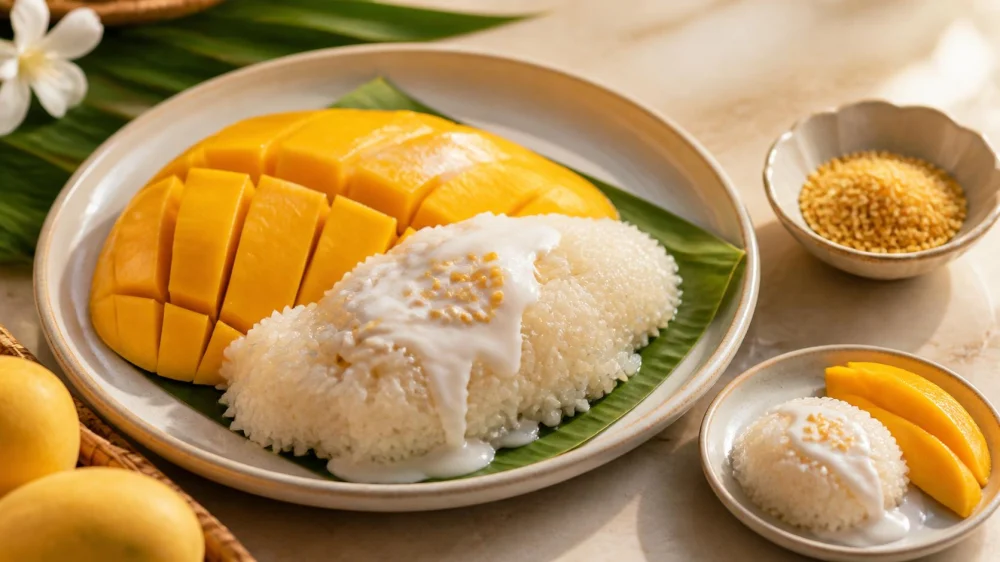
Mango sticky rice combines ripe mango with glutinous rice seasoned with sweetened coconut and often a lightly salted coconut topping. The appeal comes from contrast: cool or room-temperature fruit, warm or soft rice, creamy sauce, and sometimes a crisp garnish. Ripeness, timing, and portion change the experience.
Restaurant recipes vary, and the name does not identify every ingredient. Ask about coconut products, dairy, sesame, nuts, gluten-containing additions, and shared preparation when dietary needs matter. Glutinous rice refers to its sticky texture; it does not mean the rice itself contains gluten, but the full dish still requires verification.
If this is your first order, take a quick photo before eating and note the restaurant, date, mango character, rice texture, sauce balance, and garnish. On a return visit across several different mango seasons, these details make it easier to describe what changed than saying the plate simply tastes different from memory.

Understand the core components
The rice is usually a sticky variety cooked and then seasoned or soaked with a sweet coconut mixture. Mango is sliced beside or over it, and an extra coconut sauce may be added at service. Restaurants may finish with sesame, mung beans, coconut, or another garnish.
Ask whether the dessert is prepared to order, assembled from chilled components, or available only when suitable mango is in season. Each service style affects temperature and wait time. A photo may show a decorative portion larger than the current plate.
Check mango ripeness
A ripe mango should provide sweetness, aroma, and tender flesh without being stringy or collapsing. Cultivars differ in color, fiber, acidity, and fragrance. Green skin does not always mean unripe, and orange color does not guarantee sweetness.
Ask how the restaurant describes today's fruit. If mango quality is uncertain, staff may recommend another dessert. Brown edges, fermented odor, or an unpleasantly mushy texture should be brought to staff's attention before eating further.
Notice the sticky rice texture
The grains should cling while retaining a pleasant chew. Rice that is very hard may be underhydrated or cold; rice that is watery or paste-like gives a different result. Temperature influences firmness because sticky rice can stiffen as it cools.
Mix a little mango and rice in each bite rather than stirring the whole plate immediately. This preserves texture contrast and lets you judge the balance. Ask for a clean utensil if the rice is difficult to portion for sharing.
Ask about coconut sauce
Coconut milk or cream commonly provides richness, while sugar and salt create a sweet-savory balance. Ask whether the sauce contains dairy, condensed milk, another plant milk, thickener, or flavoring. “Coconut” does not always mean dairy-free.
The rice may already contain most of the sauce, with more served on top. Request extra sauce on the side only if available and consider sweetness. A salty top sauce can be intentional and should be tasted with rice and fruit.
Check allergens and dietary needs
Potential concerns include coconut, sesame, peanut or tree-nut garnish, dairy, soy, and gluten-containing sauces or cross-contact. State the specific allergy and ask staff to verify the current recipe, garnish, prep tools, and storage.
For vegan suitability, confirm dairy and other animal-derived additions. For diabetes or another medical nutrition need, ask for available ingredient and portion information and follow individualized clinician advice. A fruit-based dessert can still contain substantial added sugar and carbohydrate.
Compare garnishes and seasoning
Toasted sesame or crisp mung beans add nutty crunch; coconut flakes add chew; pandan may add aroma or color. Ask which garnish is included and whether it can be served separately. Removing a visible topping may not address cross-contact.
Taste before adding anything. The coconut sauce may already supply salt and sweetness, while the mango contributes acidity. A garnish should support the texture contrast, not overwhelm the fruit.
Choose a portion and sharing plan
Sticky rice and coconut sauce make the dessert more filling than sliced fruit alone. Ask whether the order is intended for one or two people and whether a half portion exists. Consider how many sweet drinks or other desserts the table already ordered.
For sharing, request small plates and a clean serving spoon. Divide mango and rice together so one person does not receive only fruit or only rice. Confirm everyone's allergens before sharing from a common plate.
Time dessert with the meal
Ask the server when to order. Some restaurants have limited portions, while others prefer to assemble it after the main course. Rice texture can decline if the plate waits too long, so avoid ordering it early merely to secure the item unless staff recommends it.
Allow time after a spicy or rich meal and order water. The cool sweetness can be refreshing, but it does not neutralize an unsafe allergic reaction or excessive chile exposure. Stop eating and seek appropriate help for concerning symptoms.
Order for takeout
Ask for mango, rice, sauce, and crisp garnish in separate containers when the restaurant recommends it. Keep the dessert at the appropriate temperature and travel directly. Do not leave coconut sauce or cut fruit in a warm car.
Follow restaurant storage guidance and eat promptly for best texture. Refrigeration can firm sticky rice, while room-temperature holding creates food-safety concerns. Discard leftovers with uncertain time or temperature history, leakage, or abnormal odor.
Evaluate seasonal variations
Mango cultivar and quality can change through the year. A restaurant may use another fruit, adjust the cut, or pause the dessert when ripe mango is unavailable. Ask whether a substitution is planned before ordering.
Seasonal versions may add colored rice, pandan, black sticky rice, durian, or ice cream. Treat these as distinct dishes and recheck ingredients, temperature, portion, and price. Familiar presentation does not guarantee the same allergen profile.
Dessert checklist
Confirm mango ripeness, rice texture, coconut sauce, dairy, sweetener, salt, garnish, allergens, portion, serving temperature, seasonal substitutions, and takeout separation. Ask whether the plate is intended for sharing.
A satisfying mango sticky rice order balances ripe fruit, chewy rice, creamy coconut, light salt, and optional crunch. Check the restaurant's current version, order an appropriate portion, and eat it while the components retain their intended temperatures and textures.

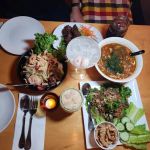 Zabb PuTawn Brooklyn4.0 (413 reviews)
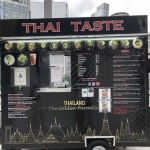 Thai Taste4.0 (42 reviews)
 Savory Thai - Flemington4.0 (270 reviews)
 Thai Shallot4.0 (245 reviews)
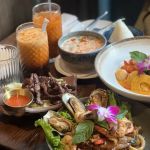 Bangkok Degree4.0 (494 reviews)
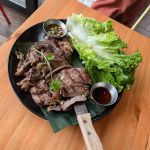 ZAAB ZAAB4.0 (306 reviews)
 Thai Food Ingredient Guide: Galangal vs Ginger – Know the Difference
 Thai Food for Summer: Light, Fresh & Flavor-Packed Recipes
 How to Make Thai Food with an Air Fryer: Easy and Delicious Recipes
 The Best Thai Food Recipes for Hosting Friends Without Stress
 Thai Food Ingredient Spotlight: Holy Basil vs Sweet Basil — What’s the Difference?
 The Best Thai Food Recipes for Leftover Rotisserie Chicken Transformation