Thai Family-Style Ordering: Build a Balanced Shared Meal
On this page
Quick answer
For a shared Thai restaurant meal, start with rice or another clear staple, then add a small variety of dishes rather than several versions of the same flavor. A practical table might include one soup or curry, one stir-fry, one vegetable dish or salad, and one grilled or fried item. Confirm portions, heat, allergens, and serving style with the restaurant before ordering.
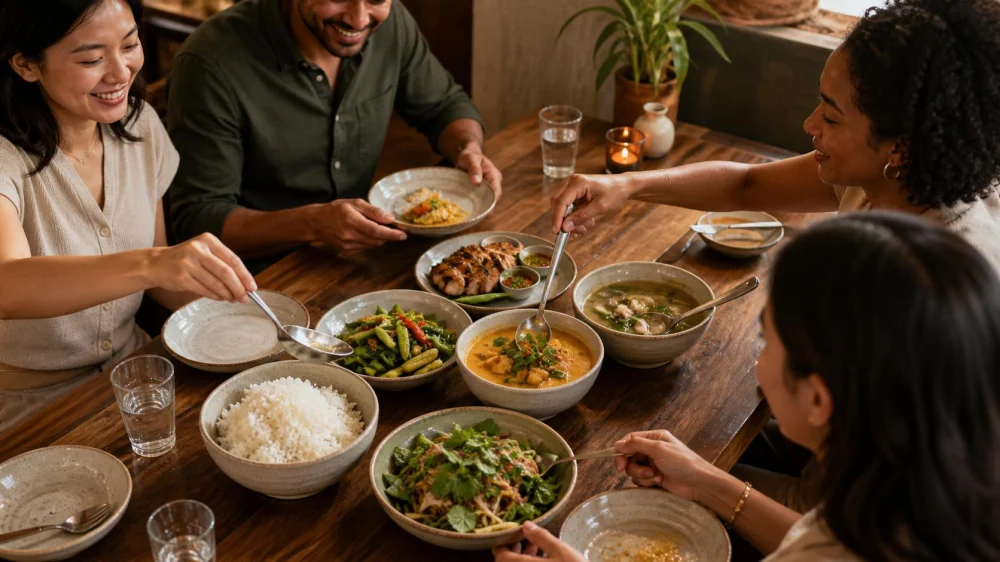
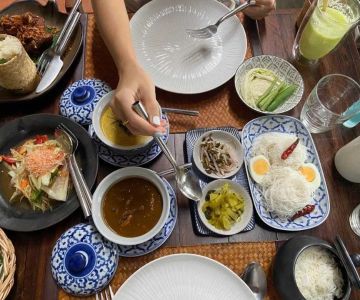
Family-style ordering means placing multiple dishes at the center for the group to share instead of choosing one complete entrée per person. It works best when diners agree on dietary boundaries, use serving utensils, and let each person control portions and sauces.
Sugar and Spice Thai Food and More
HavertownDelaware CountyPennsylvania
500 West Chester Pike, Havertown, PA 19083, USA
What family-style ordering means
Many Thai dishes can be enjoyed as part of a table with rice, but U.S. restaurants vary in portion size and service format. Some menu sections list individual lunch plates, while dinner curries, stir-fries, salads, and seafood may be designed for sharing. Ask rather than relying on the plate name.
Shared ordering is useful when the group wants contrast: a rich curry beside a bright salad, a mild vegetable dish beside a spicy stir-fry, or a crisp item beside a soft soup. It is less suitable when severe allergies, strict diets, or strong preferences make shared serving unsafe or uncomfortable.
One person should not make every decision silently. Before ordering, invite each diner to name one must-have, one limit, and their comfortable heat range. That short conversation prevents a table where one person cannot eat.
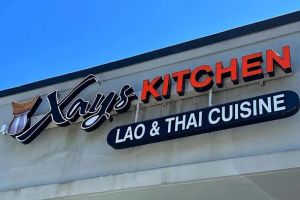
Xay’s Kitchen Laos & Thai Cuisine
OrangeSouth Central Connecticut Planning RegionConnecticut
500 Boston Post Rd Unit 4, Orange, CT 06477, USA
Build the shared table step by step
- Count diners and appetites. Include children and anyone who plans to eat only a small amount. Ask the restaurant how many people its dishes usually serve.
- Confirm dietary boundaries. Identify allergies, vegetarian or vegan needs, gluten concerns, religious restrictions, and ingredients people simply dislike.
- Choose the staple. Jasmine rice is a common partner for curries and stir-fries; sticky rice fits some dishes and regional styles. Noodles or fried rice may function more like a composed dish than a neutral base.
- Select one anchor dish. Choose the curry, soup, whole fish, grilled item, or other dish the group most wants to experience.
- Add contrast. If the anchor is rich and coconut-based, consider something crisp, sour, herbal, or broth-based. If it is fiery, add a genuinely mild dish rather than another chile-heavy item.
- Include vegetables intentionally. A vegetable stir-fry, salad, or mixed dish adds more than garnish and helps vary texture.
- Check duplicate formats. Three fried starters or three sweet coconut curries may feel repetitive even when the proteins differ.
- Confirm portions before adding more. Restaurant serving sizes vary. It is often easier to add a dish later than manage an overloaded table.
- Request serving utensils. Separate spoons and forks reduce flavor transfer and support cleaner sharing.
Balance flavor, texture, and heat
Flavor
Think in contrasts rather than trying to order one of every flavor. Thai dishes may combine salty, sour, sweet, bitter, spicy, savory, herbal, or roasted elements within a single preparation. Ask for a short description of the restaurant’s version so you do not assume the name predicts the full balance.
Texture
Pair soft curry or soup with a crisp salad, grilled item, fresh vegetable, or fried component when the group enjoys contrast. Avoid leaving a fried item to steam under a lid while everyone waits; ask about the restaurant’s serving sequence for takeout or a large order.
Heat
Restaurant heat scales are not standardized. Choose heat per dish, not as one setting for the table. Keep at least one substantial mild option for diners who cannot manage chile, and ask whether a dish’s paste or sauce is premade and cannot be reduced.
Richness
Coconut curries, fried foods, and sweet sauces can be satisfying, but a table built entirely around rich items may hide the character of each dish. Broth, grilled food, vegetables, herbs, and sour components can offer contrast.
Temperature
Soups and crisp foods are most enjoyable when served as intended. If the table is small, leave room for hot serving dishes and ask staff whether a large soup vessel or table burner requires special handling.
Handle dietary needs and allergens
Shared tables increase the chance that sauces, serving utensils, crumbs, or garnishes move between dishes. When an allergy or medical restriction is involved, tell the restaurant clearly and decide whether individual plating is safer.
- Ask about the specific allergen in curry paste, broth, sauces, garnishes, marinades, noodles, and fried items.
- Confirm whether fish sauce, shrimp paste, oyster sauce, egg, dairy, soy, wheat, peanuts, tree nuts, or sesame matters for the diners involved.
- Ask about shared fryers, woks, prep surfaces, and serving utensils when cross-contact is a concern.
- Do not assume a vegetable dish is vegetarian or a rice-noodle dish is gluten-free.
- Keep verified dishes separate and clearly identified at the table.
If the restaurant cannot verify a needed safety condition, choose a different dish or dining arrangement. A family-style experience is optional; protecting a diner’s health is not.
Flexible ordering examples
A mild-first table
Start with rice, a mild vegetable stir-fry, grilled chicken or tofu as verified, and a soup or curry at a heat level the group can share. Put hotter condiments on the side for diners who want them, recognizing that added chile is not identical to a dish cooked at a higher heat level.
A contrast-focused table
Pair a coconut curry with a bright salad, grilled seafood or meat, rice, and a crisp appetizer. Confirm whether the salad and dipping sauces are spicy so the table does not accidentally contain four hot dishes.
A vegetarian-planned table
Ask the restaurant to verify curry paste, broth, sauces, noodles, and garnishes rather than requesting only “no meat.” Choose a mix of vegetables, tofu or another verified protein, rice, and a soup, curry, or stir-fry that the kitchen confirms fits the requested diet.
A two-person table
One staple plus two contrasting dishes may provide more variety than several appetizers and entrées. Ask whether portions are large, whether half orders exist, or whether leftovers can be packed safely.
These are frameworks, not fixed menus. Choose dishes the restaurant prepares well and the diners will actually enjoy.
Limitations and important notes
- Thai dining practices, regional cuisines, restaurant formats, and U.S. portion sizes vary; this is a practical ordering framework, not a rule about an authentic table.
- Dish names do not guarantee heat, ingredients, portion size, or dietary suitability.
- People with severe allergies should use restaurant-specific safety information and may need individually prepared and plated food.
- Do not pressure diners to share, taste, or accept a heat level they declined.
- For takeout, refrigerate or discard leftovers according to food-safety guidance and the restaurant’s instructions; do not leave shared dishes at room temperature for extended socializing.
Sources and evidence notes
The framework reflects common restaurant-ordering and Thai meal-balance principles: pair a staple with varied shared dishes, seek contrast, confirm the restaurant’s portion and heat conventions, and treat ingredients and cross-contact as establishment-specific. No single formula represents every Thai region or household.
For a real order, rely on the current menu, staff descriptions, written allergen information, and direct kitchen confirmation where available. Experienced Thai cooks and region-specific food writing can provide cultural context, while the restaurant remains the source for its own recipes and service format.
Frequently asked questions
How many dishes should a group order?
There is no universal number. Start with diner count, appetite, portion size, and whether rice or starters are included. Ask the restaurant and prioritize variety over sheer quantity.
Does everyone need a separate bowl of rice?
Service varies. Rice may arrive per person or in a shared container. Confirm whether it is included and order enough to accompany the dishes that need it.
Should curry be poured over all the rice?
Each diner can spoon a modest amount beside or over their own rice. Keeping the main serving dish separate lets everyone control portion, sauce, and heat.
Can the kitchen make every dish mild?
Not always. Some pastes, broths, salads, and premade sauces contain chile as part of the base. Ask which dishes can genuinely be prepared mild and choose accordingly.
Is it rude to order individual dishes at a Thai restaurant?
No. Lunch plates, noodle dishes, dietary needs, budgets, and personal preferences may make individual ordering more practical. Follow the restaurant’s service style and the group’s comfort.
Next steps
Before the server arrives, ask each diner for one priority and one boundary. Choose a staple and one anchor dish, then add contrast in flavor, texture, vegetables, and heat. Confirm portion sizes and allergens, request serving utensils, and start with enough food to enjoy—not so much that the table and decision-making become crowded.
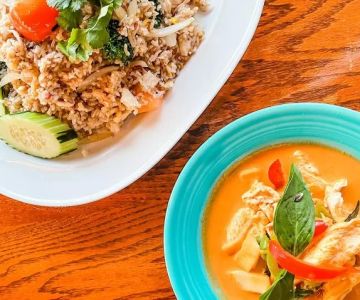

 Thai Cuisine3.0 (414 reviews)
 Vientiane Thai Cuisine4.0 (238 reviews)
 Ra-Kang Thai Cuisine4.0 (179 reviews)
 East-West Grille on Wheels3.0 (2 reviews)
 the AM-THAI Williamsburg4.0 (735 reviews)
 Thai mis Delicias (Truck. 4)3.0 (14 reviews)
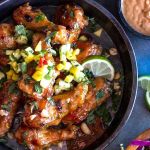 The Best Thai Food Recipes for Hosting Friends & Family
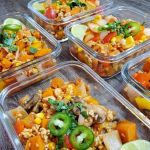 How to Make Thai Food That’s Great for Batch Cooking & Freezing
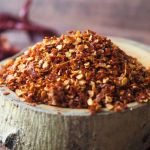 Thai Food Ingredient Guide: Thai Chili Flakes — How Hot Are They Really?
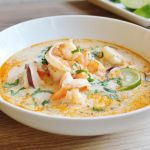 How to Make Thai Food That’s Freezer-Friendly & Reheat Well
 The Best Thai Food Recipes for Sharing with Friends & Family
 How to Make Thai Street-Style Pad See Ew at Home: A Simple Guide