Thai Boat Noodles: Broth, Bowl Size, and Condiments
On this page
Quick answer
Thai boat noodles are small or full-size bowls of noodles in an intensely seasoned dark broth, commonly with beef or pork, herbs, sprouts, and crunchy toppings. Ask about broth ingredients, blood as a traditional thickener, noodle choice, protein cuts, heat, and bowl size. Taste the finished broth before adding chile, vinegar, sugar, or fish sauce because it may already be concentrated.
This guide explains common US Thai restaurant versions. Recipes and service vary across Thailand, regions, and individual kitchens.
What boat noodles are
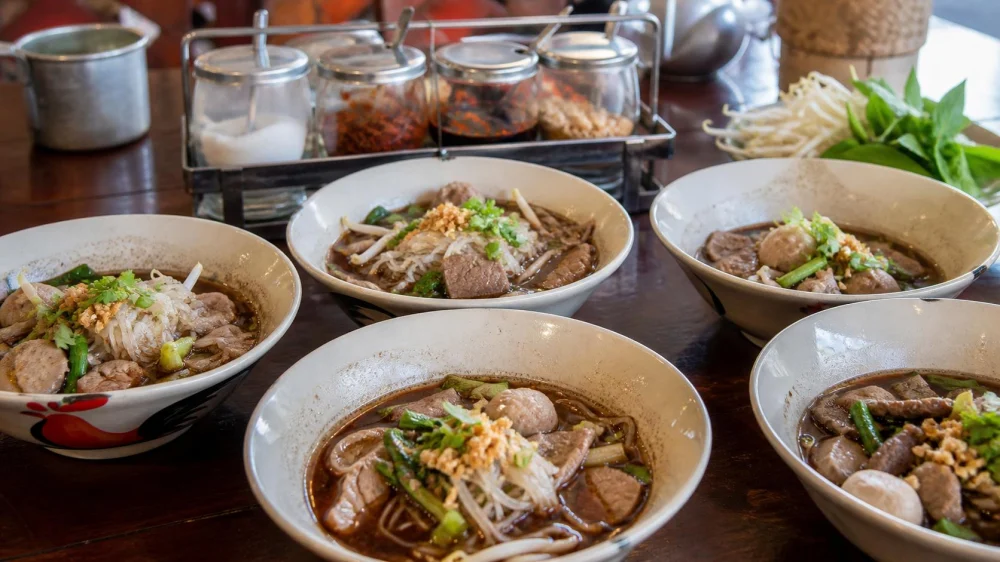
Boat noodles, or kuaitiao ruea, are associated with bowls once served from boats along canals. A small bowl made quick service practical and encouraged diners to order several. Modern restaurants may keep that tasting-bowl format or serve one larger entrée.
The dish is defined less by one noodle shape than by the seasoned broth and assembled bowl. Menus may let you choose noodle, protein, and soup or dry preparation. Do not assume every “boat noodle” bowl has identical ingredients.

Thai Chili House
Hillsborough TownshipSomerset CountyNew Jersey
450 Amwell Rd Suite 5-6, Hillsborough Township, NJ 08844, USA
Understand the broth
Boat-noodle broth often combines stock, soy-based seasonings, aromatics, spices, sweetness, saltiness, and chile. Traditional recipes can use animal blood to thicken and deepen the broth. Some US restaurants omit it or offer a separate version.
Ask directly if blood, organ meat, pork, beef, fish sauce, shellfish-derived seasoning, or alcohol matters to you. “Beef boat noodles” may still contain mixed seasonings, and a pork bowl may use a shared master broth.
Choose soup style for the full aromatic broth experience. A dry style, when offered, uses sauce and toppings with little or no soup, emphasizing noodle texture. Ask whether a side broth is included.
Noodles, protein, and toppings
Rice noodles may be thin, medium, wide, or rolled, changing how much broth each bite carries. Egg or wheat noodles add chew and their own flavor when available. Ask the server which noodle the kitchen considers standard.
Protein can include sliced beef, pork, meatballs, stewed pieces, liver, or mixed cuts. A “special” bowl may add more types rather than simply more meat. If you prefer lean meat or avoid organs, specify before ordering.
Common finishes include bean sprouts, morning glory or other greens, herbs, fried garlic, pork cracklings, and scallions. Crunchy toppings soften quickly, so note whether they are mixed in or served on top.
Bowl size and sharing
Ask for volume or a visual comparison. A traditional small bowl may be only a few bites, while a large restaurant bowl can be a complete meal. Price alone does not reveal portion.
Small bowls are best for comparing noodles, proteins, or broth styles. Order one or two per diner first, then add more. Large bowls are best when you know your preferred combination and want a single entrée.
For sharing, use individual spoons and bowls rather than passing a hot full vessel. Count broth richness when balancing the rest of the meal; fresh vegetables or a lightly seasoned dish can contrast well.
Taste before seasoning
A Thai condiment set may include dried chile, chile vinegar, fish sauce, and sugar. These let diners adjust heat, acidity, saltiness, and sweetness. They are not a requirement to add all four.
- Stir the bowl gently so settled seasoning is distributed.
- Taste broth and noodle together.
- Add one condiment in a small amount.
- Stir and taste again before adding another.
- Use the serving spoon provided and keep personal utensils out of shared jars.
Dried chile can be much hotter than it looks, and fish sauce increases salt rapidly. Ask for condiments separately when ordering takeout.
Ordering checklist
- Confirm soup or dry style.
- Choose noodle width and ask which is standard.
- Select beef, pork, meatballs, stewed cuts, or a mix.
- Ask whether blood or organ meat is included.
- State desired chile heat and whether condiments come at the table.
- Clarify small tasting bowl versus entrée size.
- Ask about complete allergens and shared preparation.
Important notes
Dark broth can contain soy, wheat, fish, shellfish, sesame, or other allergens depending on the kitchen. Rice noodles do not make the dish automatically gluten-free. Tell staff the exact allergy and ask about broth, meatballs, fried toppings, and condiments.
Soup vessels and broth are hot. Let steam settle, transfer small amounts for children, and avoid carrying a full bowl across the table. Refrigerate leftovers promptly; noodles will continue absorbing broth and soften.
FAQ
Are boat noodles always spicy?
No. Broth seasoning and added chile vary. Ask whether heat is cooked in or adjusted at the table.
Do all boat noodles contain blood?
No. It is traditional in many versions but omitted in others. Ask the specific restaurant.
Why are the bowls so small?
The small-bowl format reflects the dish's service history and allows multiple bowls or combinations. Many restaurants also offer large sizes.
Can I order vegetarian boat noodles?
Only if the restaurant offers a separate broth and seasonings without animal ingredients. Removing visible meat is not enough.
Which noodle is best?
Thin rice noodles carry concentrated broth; wider noodles offer a softer, broader bite. Choose by texture or start with the house standard.
Next steps
Ask about broth ingredients and bowl size, choose the house noodle and one protein, then taste before using the condiment set. If small bowls are available, compare one variable at a time rather than seasoning every bowl differently.
Evidence note: This article reflects broad Thai culinary terminology. Each restaurant's staff and recipe are the source for exact ingredients and preparation.

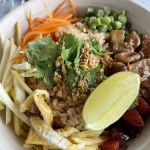 NeeNee’s Kitchen5.0 (29 reviews)
 Thai for thought4.0 (121 reviews)
 Chim Thai Cafe4.0 (222 reviews)
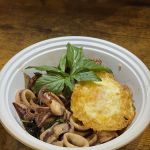 Pad Kra Prow Thai Takeout4.0 (9 reviews)
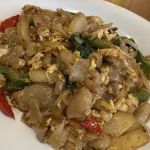 Pad Thai Noodle Lounge4.0 (527 reviews)
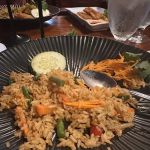 Tana Thai Restaurant3.0 (431 reviews)
 Thai Food and Wellness: Exploring Thai Herbs That Might Boost Your Health
 Makrut Lime Leaves Guide: Aroma, Prep, and Removal
 How to Make Thai Food That’s Surprise-Friendly: Dishes That Wow
 How to Make Thai Food That’s Deep Flavor without High Cost
 The Best Thai Street Food Dishes to Order & Share with Friends
 The Best Thai Food Restaurants in Boise for Hidden Gems