
Makrut Lime Leaves Guide: Aroma, Prep, and Removal
On this page
Quick answer
Makrut lime leaves add an intense green citrus aroma to Thai dishes. Whole or torn leaves are often simmered to perfume soups and curries, then moved aside or removed before serving; very finely sliced leaves may be used as an edible garnish or mixed into pastes and fried preparations. Rinse and dry them, follow the recipe’s cut, add gradually, and do not treat them as a direct substitute for lime juice or ordinary lime zest.
Some U.S. packages and older recipes use the name “kaffir lime leaves.” Product quality, recipe terminology, and regional methods vary, so match the ingredient and preparation to the specific dish.

What makrut lime leaves are
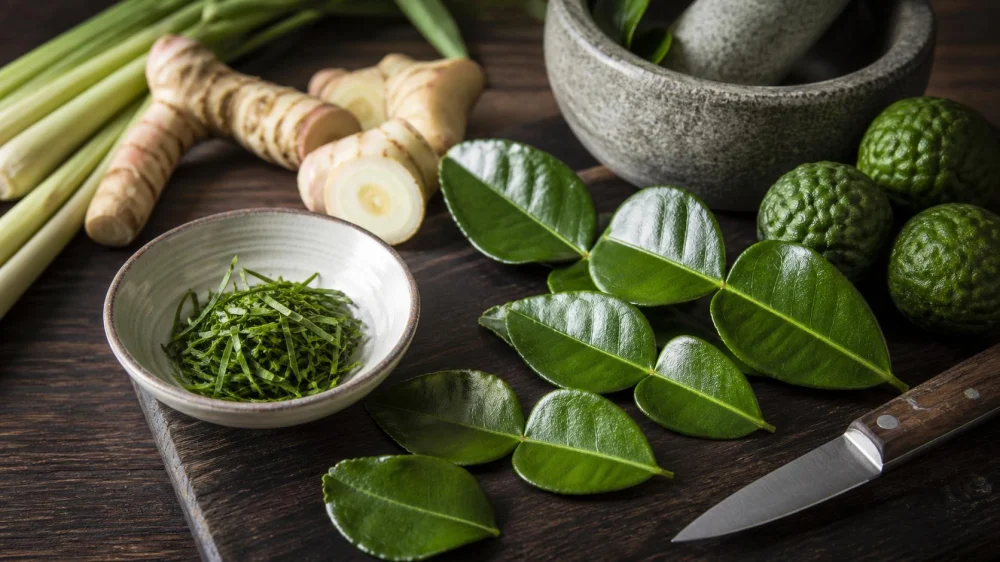
Makrut lime leaves are aromatic leaves from a citrus tree used to contribute a distinctive floral, green, and citrus-peel fragrance in Thai and other Southeast Asian cooking. Their shape often appears as two connected leaf sections, although size and appearance vary.
The aroma is different from acidity. Lime juice brings sourness and fresh juice flavor; the leaf brings volatile citrus fragrance and a slightly resinous or herbal character. A dish may use both for separate jobs.
The fruit, peel, and leaves are also distinct ingredients. Do not replace one with another in equal amounts without a recipe designed for that substitution.
How to choose and buy them
Fresh leaves should look flexible and fragrant, without widespread blackening, slime, mold, or an off odor. Small scars or differences in color may be cosmetic; assess the complete package.
Frozen leaves are often a practical option because freezing can preserve useful aroma, though texture may soften. Dried leaves can be convenient but may need different amounts and cooking time. Read the package for origin, storage, date, washing, and preparation directions.
Buy from a food retailer and confirm the product is sold for culinary use. Ornamental citrus plants may have unknown treatments and should not automatically be harvested for food.
How to prepare the leaves
- Inspect. Remove damaged, moldy, or spoiled leaves.
- Rinse as directed. Use safe produce-handling practice and clean water, then dry thoroughly.
- Defrost only what you need. Follow package guidance and avoid repeated thawing and refreezing.
- Address the center rib. For fine slicing, fold the leaf and remove a tough central rib when the recipe calls for it.
- Choose the cut. Keep whole, tear, bruise, pound, or slice according to how the dish will be eaten.
- Use a sharp knife safely. Stack only a manageable number and keep fingers clear when making very fine strips.
A dull knife can crush and drag the leaves rather than making clean thin strips. If fine knife work is uncomfortable, choose a recipe that uses whole or torn leaves.
Whole, torn, pounded, or sliced
- Whole: best for long infusion in soups, curries, braises, or steaming; typically easy to identify and remove.
- Torn or bruised: releases aroma more quickly while leaving pieces large enough to move aside.
- Pounded: integrates into a curry paste or aromatic mixture; tough fibers need sufficient grinding.
- Finely sliced: used in small quantities as garnish or as part of a dish when the leaves are tender and cut thinly.
- Fried: can become crisp in recipes designed for that method, but hot oil requires careful drying and splatter control.
Tell diners when whole leaves remain in a dish. They can be tough and are often treated like bay leaves: useful for aroma but not intended to be chewed. Recipe and cut determine whether the leaf is meant to be eaten.
Balance the aroma
Start with the recipe’s lower amount when using an unfamiliar batch. Fresh, frozen, and dried leaves can differ in intensity, and finely cut leaves release aroma differently from whole leaves.
Taste the dish as a whole. Lemongrass, galangal, basil, coconut milk, chile, fish sauce, and lime juice each occupy a different flavor role. More leaf aroma will not correct missing salt or acidity.
For a finishing garnish, add a small pinch and allow the aroma to reach the diner without covering the main ingredient. For long cooking, add leaves at the stage the recipe specifies and remove or retain them intentionally before serving.
Lime-leaf checklist
- Food-grade leaf product identified
- Fresh, frozen, or dried form matched to the recipe
- Package storage and preparation directions read
- Leaves inspected, rinsed, and dried
- Whole, torn, pounded, or sliced method chosen
- Tough rib addressed for fine slicing when needed
- Small starting amount used for an unfamiliar product
- Whole leaves counted or identified before serving
- Leftovers cooled and stored under the dish’s food-safety guidance
Limitations and important notes
- Do not consume leaves from an ornamental tree without confirming identity and food-safe treatment.
- Whole leaves and coarse pieces can be tough; tell diners when they remain.
- Dry leaves thoroughly before adding them to hot oil to reduce splatter.
- Citrus allergy or sensitivity questions require individual professional guidance.
- The leaf does not replace the acidity of lime juice or the exact aroma of another citrus zest.
Frequently asked questions
Are makrut and kaffir lime leaves the same ingredient?
Many current sellers and writers use “makrut lime,” while older or commercial labels may use the other name for the same culinary citrus leaf. Confirm the scientific or product identity when uncertain.
Can I eat the whole leaf?
Whole leaves are often used for infusion and moved aside because they remain tough. Very finely sliced or thoroughly pounded leaves may be eaten in recipes designed that way.
Can I substitute regular lime leaves?
They do not have the same aroma. If makrut lime leaves are unavailable, choose a recipe-tested alternative rather than assuming a one-for-one replacement.
Are frozen leaves useful?
Yes. They may soften but can retain strong aroma. Follow the package directions and use only the amount needed.
When should I add lime juice?
Follow the recipe. Juice supplies acidity and fresh flavor and may be added at a different stage from leaves, especially when prolonged heat would change it.
Sources and evidence notes
This article reflects general Thai culinary practice: use food-grade makrut lime leaves for aroma, distinguish infusion pieces from fine edible cuts, match fresh, frozen, or dried form to the recipe, separate aroma from acidity, and inform diners about whole tough leaves. Exact preparation depends on the dish and cook.
Next steps
Buy a small food-grade package, photograph the storage directions, and choose one recipe that clearly specifies whole or sliced leaves. Smell a rinsed leaf, cook the lower suggested amount, and record whether it was fresh, frozen, or dried. Before serving, remove infusion leaves or tell diners exactly where whole pieces remain.

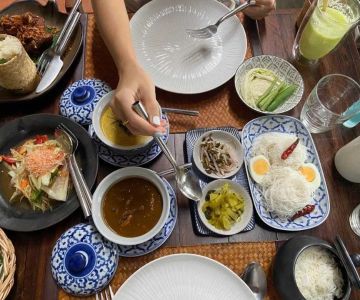
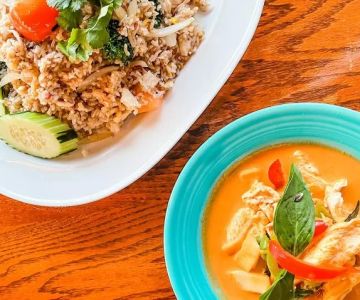

 Charming-Thai Restaurant Burlington4.0 (129 reviews)
 Thai Station Cafe babylon4.0 (366 reviews)
 MyThai Kitchen4.0 (137 reviews)
 Kai Yang4.0 (501 reviews)
 Just Noodles Thai Express4.0 (3 reviews)
 Asian Delight NH4.0 (383 reviews)
 Thai Fried Rice Guide: Khao Pad, Protein, Seasoning, and Sides
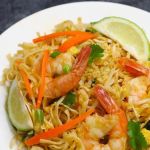 How to Make Thai Food That’s Simple Enough for 2 & Delicious Enough for a Crowd
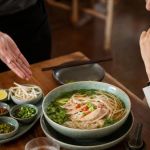 How to Order Thai Noodle Soup at a Restaurant
 The Best Thai Food Podcasts to Listen to While Cooking
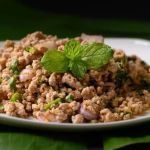 How to Make Thai Food That’s Low-Fat Without Losing the Taste
 The Best Thai Food Recipes for Hosting a Dinner Party