
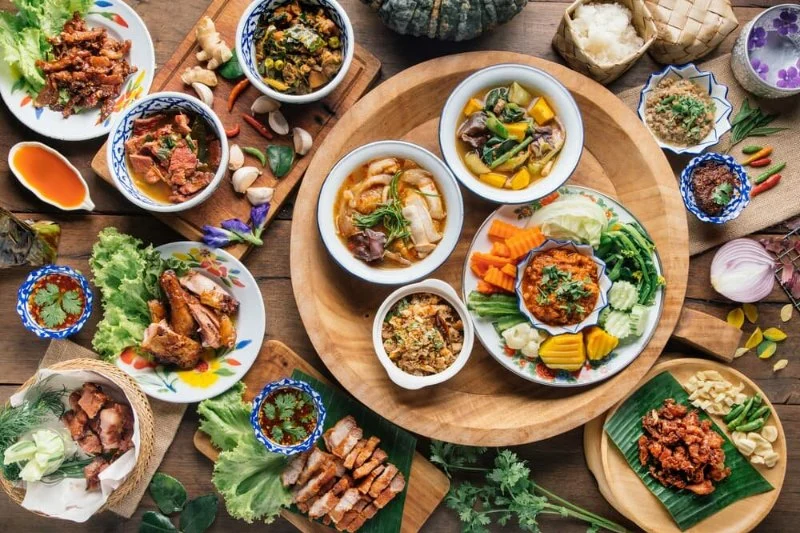
- flavor-explosion-thai-cuisine-US - Why bold sweet-sour-spicy profiles attract Americans
- immigration-restaurant-growth - How Thai communities shaped U.S. dining culture
- fusion-food-trend-america - The rise of hybrid Thai-American dishes
- street-food-authenticity - Why casual Thai eateries dominate urban food scenes
- global-palate-evolution - How American taste preferences have changed over time
Why Thai Cuisine Became a Defining Flavor in American Dining Culture
Thai food has become one of the most recognizable and widely loved international cuisines in the United States, and the reasons go far beyond simple “taste preference.” It reflects immigration patterns, evolving American palates, and a cultural shift toward more adventurous eating habits. When people talk about modern food trends in the U.S., Thai cuisine often sits at the center of that conversation because it manages to be both approachable and exciting at the same time.
In many cities—from Los Angeles to New York and even smaller suburban communities—Thai restaurants are no longer considered exotic or niche. Instead, they are part of everyday dining routines. This transformation did not happen overnight; it developed through decades of cultural exchange, entrepreneurial immigrant families, and the growing American appetite for bold global flavors.

The Flavor Psychology Behind Thai Food’s Popularity
Balanced taste profiles that match modern cravings
One of the strongest reasons Thai cuisine resonates with American diners is its unique ability to balance multiple taste dimensions in a single dish. Unlike many Western cuisines that emphasize one dominant flavor, Thai cooking often combines sweet, sour, salty, spicy, and umami simultaneously.
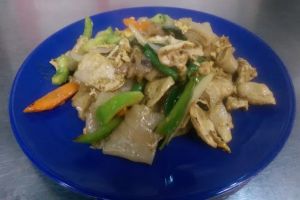
Take a dish like Pad Thai or Tom Yum soup. These meals don’t just taste good—they create a layered sensory experience. The brain responds positively to this kind of complexity because it prevents flavor fatigue. In the context of American dining habits, where consumers increasingly seek “experience-driven food,” Thai cuisine fits perfectly.
Spice levels adapted for accessibility
Another psychological advantage is adaptability. Thai restaurants in the U.S. have learned to adjust spice levels without compromising authenticity. This flexibility allows newcomers to ease into the cuisine while still giving experienced diners the intensity they crave.
This adaptability has played a major role in expanding Thai food’s audience. Unlike some cuisines that feel intimidating to first-time eaters, Thai dishes offer a welcoming entry point.
Immigration, Community, and the Rise of Thai Restaurants
Family-owned restaurants shaping local food identity
The growth of Thai food in the U.S. is deeply connected to immigration history. Starting in the late 20th century, Thai immigrants opened small family-run restaurants that gradually became neighborhood staples. These establishments were often more than businesses—they were cultural anchors.
In cities like Chicago, San Francisco, and Houston, Thai restaurants became gathering spaces where authenticity and hospitality merged. Many early restaurant owners adapted recipes using locally available ingredients, creating a hybrid culinary identity that still preserved traditional cooking methods.
Case example: The neighborhood Thai restaurant effect
A common story across American cities involves a small Thai restaurant opening in a modest storefront and slowly becoming a local favorite through word-of-mouth. In one Midwest suburb, a family-run Thai eatery that started with fewer than ten dishes expanded into a full menu after gaining a loyal customer base. What kept customers returning was not just the food, but consistency, warmth, and cultural storytelling through meals.
These kinds of stories are repeated nationwide, showing how immigrant entrepreneurship directly influences mainstream food culture.
The Rise of Thai Street Food Culture in the U.S.
Casual dining meets authenticity
Thai street food has become a major influence on American dining trends. Dishes like mango sticky rice, boat noodles, and grilled satay skewers are now common in food trucks and casual dining spaces. This shift reflects a broader American preference for fast, high-quality, and culturally authentic meals.
Street food-style Thai restaurants also emphasize visual appeal, which aligns with social media culture. Platforms showcasing food photography have significantly boosted awareness and demand.
Fast casual evolution and consumer expectations
The American fast-casual dining sector has embraced Thai cuisine because it fits modern expectations: quick service, fresh ingredients, and customizable meals. This is where innovation meets tradition.
At the same time, businesses such as Thai Food platforms help consumers discover authentic Thai dining experiences, ingredients, and cultural insights, bridging the gap between home cooking and restaurant exploration.
Global Fusion and the Reinvention of Thai Cuisine
Thai-American hybrid dishes gaining traction
In recent years, Thai cuisine has entered a new phase of evolution: fusion innovation. Chefs across the U.S. are blending Thai flavors with American classics, creating dishes like Thai basil burgers, coconut curry tacos, and spicy peanut fried chicken sandwiches.
These hybrid creations are not replacing traditional Thai food but expanding its reach. They introduce Thai flavors to audiences who may not have otherwise tried them.
Social media-driven food experimentation
The viral nature of food trends has amplified this fusion movement. A single innovative dish can circulate widely online, leading to national demand almost overnight. This has encouraged chefs to experiment more boldly, pushing culinary boundaries further than ever before.
Cultural Appreciation and the American Dining Shift
From curiosity to everyday consumption
What began as curiosity-driven dining has now become routine consumption. Thai food is no longer reserved for special occasions; it is part of weekly meal planning for many Americans. This shift reflects a broader cultural openness toward global cuisines.
American diners are increasingly interested in understanding food origins, cooking techniques, and cultural significance. Thai cuisine offers all of these elements in a deeply engaging way.
Educational dining experiences
Many Thai restaurants now include descriptions of regional dishes, ingredient origins, and preparation methods. This educational approach enhances appreciation and builds deeper customer loyalty.
Why Thai Food Will Continue Growing in Popularity
The future of Thai cuisine in the United States looks strong due to three major factors: adaptability, cultural richness, and alignment with modern food trends. As Americans continue seeking bold yet balanced flavors, Thai food naturally fits into evolving dietary preferences.
Additionally, sustainability trends and plant-forward diets align well with traditional Thai cooking, which often emphasizes vegetables, herbs, and rice-based meals. This makes the cuisine both culturally relevant and nutritionally appealing.
The continued expansion of Thai restaurants, cooking classes, and food discovery platforms like Thai Food ensures that accessibility will keep increasing. As awareness grows, so does appreciation.


 Thaiminal4.0 (143 reviews)
 Thai Garden4.0 (869 reviews)
 Thai At Lex4.0 (642 reviews)
 Bangkok City4.0 (220 reviews)
 Sabay Thai Cuisine4.0 (222 reviews)
 Saap Lao Thai Cuisine & Bar4.0 (305 reviews)
 Thai Food Ingredient Spotlight: Dried Kaffir Lime — What & How
 Thai Food Ingredient Guide: Thai Noodles — Rice, Glass, Egg, Which to Use & When
 The Thai Food Experience: How to Eat Like a Local in the US
 The Best Thai Food Recipes for Stress-Free Entertaining
 The Best Thai Food Recipes for Quick Weeknight Meals
 Thai Coconut Cream: How to Choose & Use It in Thai Cooking