
- 1-What is Tamarind Paste?
- 2-Tamarind Paste in Thai Cuisine
- 3-Common Uses of Tamarind Paste in Cooking
- 4-How to Make Tamarind Paste at Home
- 5-Delicious Recipes Featuring Tamarind Paste
1. What is Tamarind Paste?
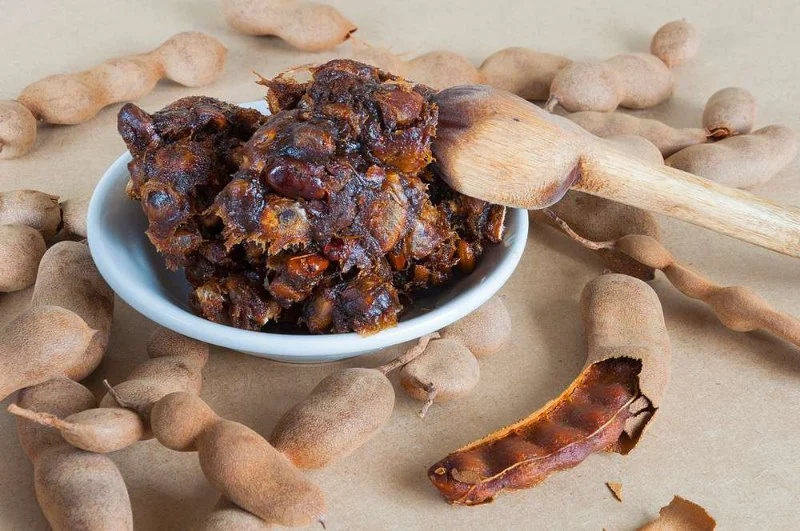
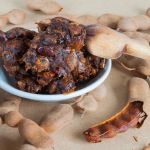
Tamarind paste is a concentrated form of tamarind, a tropical fruit native to Africa but widely used in Southeast Asian cooking, especially Thai cuisine. Tamarind comes from the tamarind tree, and its pods contain a tangy, tart, and slightly sweet pulp that is often used to enhance the flavor of dishes. The paste is made by extracting the pulp from the tamarind fruit and sometimes mixing it with a bit of water to form a smooth, thick paste. It has a rich, complex flavor profile that is both sour and sweet, which makes it a crucial ingredient in many dishes.
Aside from being an essential part of Thai cooking, tamarind paste is also commonly used in other cuisines, such as Indian, Mexican, and Middle Eastern, for its unique ability to balance acidity and sweetness in a variety of dishes.

Pho Thai
New HavenSouth Central Connecticut Planning RegionConnecticut
76 Orange St, New Haven, CT 06510, USA
2. Tamarind Paste in Thai Cuisine
Tamarind paste is one of the key ingredients in Thai cuisine. It is used in numerous traditional dishes to impart a complex sourness that elevates the flavors of soups, curries, salads, and stir-fries. Thai cuisine often uses tamarind to balance out the strong, salty, and sweet flavors that define the cuisine. It adds a unique depth to many Thai sauces and soups.

2.1 Tamarind in Pad Thai
One of the most famous uses of tamarind paste in Thai cuisine is in Pad Thai, the beloved stir-fried noodle dish. Tamarind paste is a key component of the sweet and sour sauce that coats the noodles. This sauce is made by mixing tamarind paste with fish sauce, sugar, and sometimes chili, creating the perfect balance of flavors. Without tamarind, Pad Thai wouldn't have its signature tangy taste, making it an indispensable ingredient for this dish.
2.2 Tamarind in Tom Yum Soup
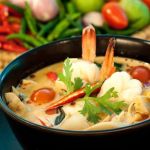
Tamarind paste also plays a crucial role in the famous Thai hot and sour soup, Tom Yum. The tangy flavor of tamarind complements the hotness from chili peppers and the savory depth of fish sauce, creating a complex, flavorful broth that is aromatic and satisfying. The addition of tamarind rounds out the soup's flavor, making it one of the most iconic dishes in Thai cuisine.
3. Common Uses of Tamarind Paste in Cooking
In Thai cooking, tamarind paste has many versatile uses. Here are a few of the most common applications:
3.1 Tamarind as a Flavoring Agent
Tamarind paste is often used as a flavoring agent in sauces and dressings. Whether in a dipping sauce for grilled meats, seafood, or vegetables, or as the base for salad dressings, tamarind paste provides a sour kick that balances out the richness of fried or fatty foods. It's frequently used in combination with fish sauce, sugar, and chili for a well-rounded dipping sauce.
3.2 Tamarind in Marinades
The tangy nature of tamarind makes it perfect for marinades. When combined with other ingredients such as garlic, ginger, soy sauce, or curry paste, tamarind helps tenderize meat and adds a burst of flavor. This is especially common in Thai barbecue dishes, where the paste helps the meat absorb the flavors and tenderizes it before grilling.
3.3 Tamarind in Curry Sauces
Tamarind paste can also be added to curry sauces, providing a zesty contrast to the rich, creamy elements of Thai curries. The tartness from tamarind balances the heat from chili peppers, making it an essential ingredient in many Thai curry recipes. The paste is especially useful in red and green curries, where it helps to round out the deep flavors.
4. How to Make Tamarind Paste at Home
Making tamarind paste at home is relatively simple, and it allows you to control the flavor intensity. Here’s a basic guide on how to make your own tamarind paste:
4.1 Ingredients
- 1 cup tamarind pods (or ¼ cup of tamarind concentrate)
- 2 cups hot water
- Optional: A pinch of salt or sugar to adjust flavor
4.2 Instructions
1. If using tamarind pods, remove the shells and seeds from the pods. Place the tamarind pulp in a bowl. If using tamarind concentrate, skip this step.
2. Pour hot water over the tamarind pulp and let it soak for about 15-20 minutes to soften. Once softened, use your hands or a spoon to mash the pulp and extract the juice from the fibers.
3. Strain the mixture through a fine mesh sieve or cheesecloth to remove any solids. The remaining liquid is your tamarind paste. You can adjust the flavor by adding salt or sugar as desired.
4. Store the paste in an airtight container in the refrigerator for up to a week, or freeze it for longer storage.
5. Delicious Recipes Featuring Tamarind Paste
If you're ready to start cooking with tamarind paste, here are a few delicious recipes that showcase its unique flavor:
5.1 Pad Thai
As mentioned earlier, Pad Thai is one of the best-known dishes that features tamarind paste. A perfect Pad Thai should have the right balance of sour, salty, and sweet flavors, and tamarind paste is essential in achieving that balance. Combine tamarind paste with fish sauce, sugar, garlic, and chili to make the perfect Pad Thai sauce, and toss it with stir-fried noodles, shrimp, tofu, peanuts, and lime for a classic dish.
5.2 Tom Yum Soup
Another excellent dish that features tamarind paste is Tom Yum Soup. This flavorful and aromatic Thai soup combines tamarind paste with lemongrass, kaffir lime leaves, chili, and mushrooms for a tangy, spicy broth. Add shrimp or chicken for a heartier version, and enjoy this delicious soup as a starter or main course.
5.3 Tamarind Chicken Skewers
For a delicious grilled dish, try making tamarind chicken skewers. Marinate chicken pieces in a mixture of tamarind paste, garlic, ginger, soy sauce, and a bit of honey. Skewer the chicken and grill it until golden brown, and serve it with a side of rice and a tangy dipping sauce for an easy yet flavorful meal.
Tamarind paste is a staple ingredient in Thai cuisine, offering a unique sour-sweet balance that enhances the flavors of many dishes. Whether you're making a classic Pad Thai, a spicy Tom Yum soup, or a tangy marinade for grilled meats, tamarind paste adds depth and complexity to your cooking. If you're looking to explore more Thai ingredients or find the best products for your kitchen, check out Thai Food for top-quality items and recipes.



 Sukhumvit Thai Eatery NJ4.0 (268 reviews)
 Tea Cup Cafe4.0 (265 reviews)
 Real Thai Halal4.0 (299 reviews)
 The Elephant Trail4.0 (474 reviews)
 Kati Shop4.0 (384 reviews)
 Sabai Sabai4.0 (242 reviews)
 The Best Thai Food Recipes for Quick Weeknight Meals
 The Best Thai Food Recipes for Social Gatherings & Watch Parties
 The Best Thai Food Recipes for Hosting a Dinner Party
 Thai Food Ingredient Guide: Tamarind Paste & Its Many Uses
 Thai Food for Date Night In: Candlelight + Curry for the Perfect Evening
 The Best Thai Food Recipes for Hosting Friends Without Stress