- Overview of Thai Noodles
- Types of Thai Noodles: Rice, Glass, and Egg
- How to Use These Noodles in Thai Recipes
- Noodle Substitutions in Thai Cooking
- Find Authentic Thai Ingredients at Thai Food
1. Overview of Thai Noodles
Thai cuisine is renowned for its rich flavors, fragrant spices, and a wide variety of ingredients. Among these ingredients, noodles play a crucial role in creating the perfect balance of taste and texture in many Thai dishes. Whether in soups, stir-fries, or salads, Thai noodles are the foundation of some of the most beloved dishes, such as Pad Thai, Pad See Ew, and Som Tum.
There are several different types of noodles used in Thai cooking, each contributing to a unique texture and flavor profile. In this article, we will explore the three most popular Thai noodles: rice noodles, glass noodles, and egg noodles. Understanding when and how to use each type will enhance your ability to create authentic Thai dishes at home.
2. Types of Thai Noodles: Rice, Glass, and Egg
Each type of Thai noodle offers distinct textures, flavors, and uses in various dishes. Let’s break down the characteristics of rice noodles, glass noodles, and egg noodles, and when to use them in your cooking.

Za-Onn Thai House
WallingfordSouth Central Connecticut Planning RegionConnecticut
370 Center St, Wallingford, CT 06492, USA
2.1 Rice Noodles
Rice noodles are perhaps the most commonly used noodles in Thai cuisine. Made from rice flour and water, these noodles come in a variety of shapes and sizes, from thin vermicelli to wide flat noodles. Rice noodles have a soft, slightly chewy texture and are perfect for absorbing the flavors of sauces and broths.
When to use rice noodles: Rice noodles are ideal for stir-fries, soups, and salads. They are the main component in popular dishes like Pad Thai (stir-fried with eggs, tofu, and peanuts) and Kuay Teow (a noodle soup with herbs and broth). Because rice noodles tend to stick together, it’s important to follow the proper cooking technique, which includes soaking them in hot water before cooking.
2.2 Glass Noodles
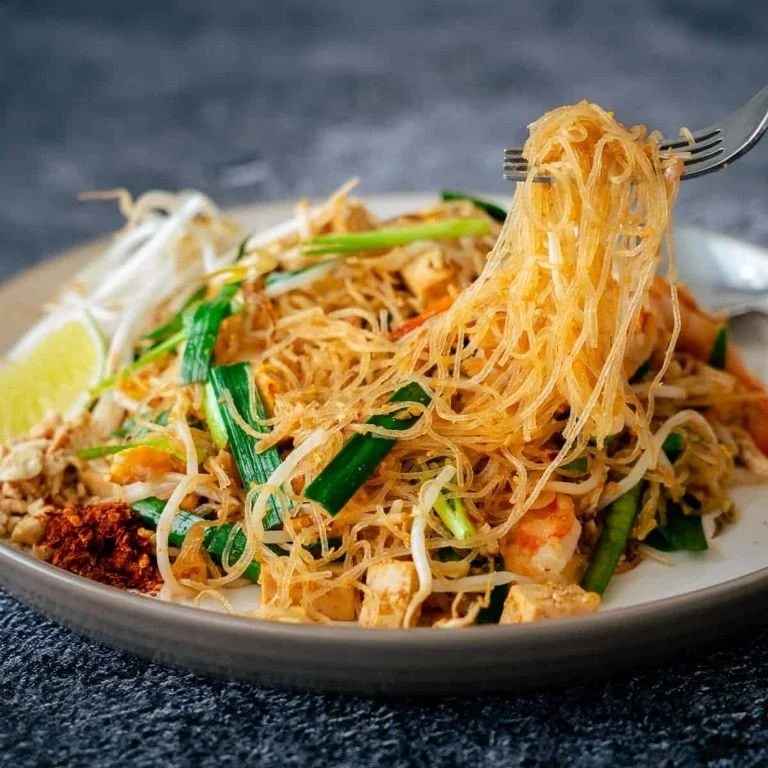
Glass noodles, also known as cellophane noodles or bean thread noodles, are made from mung bean starch. These translucent noodles have a delicate, slippery texture and absorb the flavors of the ingredients they are cooked with. Glass noodles are often used in Thai salads, soups, and stir-fries.
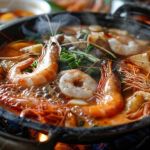
When to use glass noodles: Glass noodles are commonly found in dishes like Yum Woon Sen (spicy glass noodle salad) and Tom Yum Soup (spicy and sour broth with shrimp). These noodles are especially great for lighter dishes, where they can be combined with fresh vegetables, herbs, and protein for a refreshing meal. They are also used in Thai hot pots, where they soak up the broth and seasoning.
2.3 Egg Noodles
Egg noodles, made from wheat flour and eggs, have a richer, more substantial texture compared to rice noodles and glass noodles. These noodles are yellow in color and are often found in Thai dishes that require a heartier noodle option. Egg noodles provide a soft, slightly firm bite and are perfect for absorbing flavorful broths and sauces.
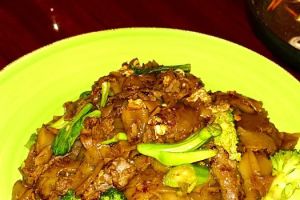
When to use egg noodles: Egg noodles are typically used in Thai dishes like Ba Mee (egg noodles with roasted pork) and Pad See Ew (stir-fried wide noodles with vegetables and meat). They are great for dishes that require a more substantial noodle, offering a satisfying texture and flavor when paired with stir-fried vegetables or meats.
3. How to Use These Noodles in Thai Recipes
Understanding when to use each type of Thai noodle will help you recreate authentic Thai flavors at home. Here are some tips for using rice noodles, glass noodles, and egg noodles in your favorite dishes:
3.1 Using Rice Noodles
To prepare rice noodles, soak them in warm water for about 15-30 minutes, depending on the thickness of the noodles. After soaking, they are ready to be added to stir-fries, soups, or salads. For stir-fries, it’s important to make sure the noodles are not overcooked, as they can become mushy. In soups, rice noodles are best when they are added just before serving to maintain their texture.
3.2 Using Glass Noodles
Glass noodles need to be soaked in warm water for a few minutes to soften them before adding them to a dish. Unlike rice noodles, glass noodles should be added to soups and salads while still slightly firm to retain their slippery texture. Glass noodles are also perfect for cold salads, where their light texture complements fresh herbs, lime, and chili.
3.3 Using Egg Noodles
Egg noodles cook quickly, so they should be added to stir-fries or soups just before serving. To prepare them, cook the noodles in boiling water for 2-3 minutes until they are tender but still have a slight bite. Egg noodles are ideal for hearty dishes like Pad See Ew, where they can be stir-fried with a savory soy-based sauce, vegetables, and protein.
4. Noodle Substitutions in Thai Cooking
If you don’t have access to one type of noodle, don’t worry. You can easily substitute one type of Thai noodle for another in most dishes, depending on your preference. For example:
4.1 Substituting Rice Noodles
If you don’t have rice noodles on hand, you can substitute with egg noodles or even glass noodles in some cases. However, the texture will be different, and you may need to adjust the cooking time. Egg noodles work well in dishes like Pad Thai, but glass noodles may not offer the same chewy texture that rice noodles provide in stir-fries or soups.
4.2 Substituting Glass Noodles
If you don’t have glass noodles, you can substitute them with rice noodles for a similar texture in soups. For salads, you can also use thin vermicelli noodles as an alternative. Keep in mind that the texture will change slightly, but the flavor profile will still be enjoyable.
4.3 Substituting Egg Noodles
Egg noodles are unique in their texture, so substituting them might alter the dish. If you need an alternative, you can use thicker rice noodles or even soba noodles (Japanese buckwheat noodles). However, egg noodles are ideal for stir-fries, so any substitution may affect the dish’s texture and consistency.
5. Find Authentic Thai Ingredients at Thai Food
If you're looking to explore the full range of Thai noodles and other essential ingredients for your cooking, visit Thai Food. Our store offers a variety of rice noodles, glass noodles, egg noodles, and other Thai staples that will help you create authentic dishes at home. From the perfect Pad Thai to flavorful soups and salads, we have everything you need to bring Thai flavors to your kitchen.




 Ricky's Thai Hillsborough4.0 (340 reviews)
 Grandma's Philly4.0 (2752 reviews)
 Thai Chili Pho4.0 (296 reviews)
 iThai Restaurant4.0 (153 reviews)
 Thai Time4.0 (678 reviews)
 Thai Station Restaurant4.0 (234 reviews)
 How to Make Thai "Hot Pot" Style at Home — Jim Jum & Thai Grilling
 Best Thai Meat Recipes for Meat Lovers Seeking Something New
 The Best Thai Food Restaurants in Houston to Satisfy Your Cravings
 Thai Food and Culture: How Food Reflects Thai Traditions
 The Best Thai Food Recipes for Leftover Rice Revival
 Thai Food Ingredient Spotlight: Kaffir Lime Leaves & Their Unique Aroma