
- 1 - What is Thai Eggplant - Understanding This Unique Ingredient
- 2 - Choosing and Preparing Thai Eggplant - Tips for Freshness and Flavor
- 3 - Cooking Methods for Thai Eggplant - Step-by-Step Guide
- 4 - Popular Thai Dishes Featuring Eggplant - Inspiration for Your Kitchen
- 5 - Storage and Preservation Tips - Keep Your Eggplants Fresh Longer
1. What is Thai Eggplant - Understanding This Unique Ingredient
Thai eggplant is a small, round vegetable commonly used in Thai cuisine, renowned for its crisp texture and slightly bitter flavor. Unlike the larger, globe-shaped eggplants found in Western supermarkets, Thai eggplants often come in green, white, or purple varieties and are typically eaten when still firm. They are a staple in curries, stir-fries, and dipping sauces, adding a unique texture and subtle bitterness that balances the sweet, salty, and spicy flavors typical of Thai dishes.
Historically, Thai eggplant has been cultivated in Southeast Asia for centuries, valued not only for its taste but also for its nutritional benefits. Rich in fiber, antioxidants, and essential vitamins, it is a versatile ingredient that elevates both flavor and healthfulness in cooking. Many Thai families consider it an essential kitchen ingredient, often grown in home gardens for fresh use.
2. Choosing and Preparing Thai Eggplant - Tips for Freshness and Flavor
When selecting Thai eggplant, look for firm, brightly colored vegetables without soft spots or blemishes. Smaller eggplants tend to be less bitter and cook faster, making them ideal for stir-fries and curries. To prepare Thai eggplant:
2.1 Washing and Cutting
Wash the eggplants thoroughly under cold water to remove dirt or residues. Trim the stem end and slice according to your recipe—halves, quarters, or bite-sized chunks are common. For some dishes, leaving the skin intact is preferred, as it holds the shape during cooking.
2.2 Optional Salting to Reduce Bitterness
If you find Thai eggplant slightly bitter, you can sprinkle slices with salt and let them sit for 15–20 minutes, then rinse. This method is less common in Thailand but can be useful for Western palates unfamiliar with its unique taste.
3. Cooking Methods for Thai Eggplant - Step-by-Step Guide
Thai eggplant can be cooked in multiple ways, each bringing out different textures and flavors. Here’s a detailed guide:
3.1 Stir-Frying
Heat oil in a wok or skillet, add garlic, chili, or other aromatics, then toss in eggplant pieces. Stir-fry over high heat for 5–7 minutes until tender but still slightly crisp. Add fish sauce or soy sauce to enhance flavor.
3.2 Curries
Thai eggplant is a key ingredient in green, red, and yellow curries. Add eggplants midway through simmering to ensure they absorb the curry’s flavors without becoming mushy. A classic example is Green Curry with Chicken and Thai Eggplant, where the eggplant soaks up the creamy coconut sauce.
3.3 Grilling or Roasting
For a smoky flavor, Thai eggplants can be char-grilled or roasted. Brush with oil and season lightly, then cook until the skin is slightly blistered. This method works well for dipping sauces or as a side dish with sticky rice.
4. Popular Thai Dishes Featuring Eggplant - Inspiration for Your Kitchen
Thai eggplant is featured in many iconic dishes. Some favorites include:
4.1 Green Curry
Green curry with Thai eggplant, bamboo shoots, and basil is a classic dish that showcases the vegetable’s ability to absorb bold flavors.
4.2 Stir-Fried Eggplant with Basil
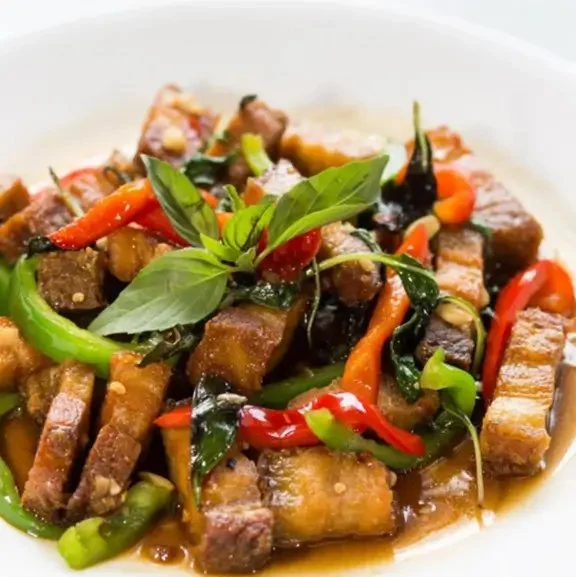
This quick stir-fry combines eggplant, Thai basil, garlic, and chili for a fragrant, savory dish perfect for weeknight dinners.
4.3 Eggplant Dipping Sauce
Roasted or grilled Thai eggplant mashed with garlic, chili, and lime juice makes a delicious dip. It’s a great appetizer for gatherings or parties, adding authenticity to your Thai culinary experience.
For those looking to source authentic Thai ingredients, Thai Food offers a curated selection of fresh Thai eggplants and related products to enhance your home cooking.
5. Storage and Preservation Tips - Keep Your Eggplants Fresh Longer
To maintain freshness, store Thai eggplant in a cool, dry place away from direct sunlight. If storing in the refrigerator, place them in a perforated plastic bag to prevent moisture buildup. Use within 3–5 days for the best texture and flavor. Avoid freezing raw eggplants, as this can make them mushy upon thawing.
Additionally, cooked Thai eggplant dishes can be refrigerated for 2–3 days and reheated gently to maintain texture. These storage practices help reduce waste and ensure you can enjoy your Thai culinary creations without compromise.

 Ocha Thai & Japanese Cuisine4.0 (337 reviews)
 Sirinan's Thai & Japanese Restaurant - BYOB4.0 (328 reviews)
 Thai Mama4.0 (345 reviews)
 Thai Noodle House2.0 (34 reviews)
 King and I Thai Restaurant4.0 (263 reviews)
 Manorah4.0 (133 reviews)
 Thai Food Ingredient Guide: Thai Noodles — Rice, Glass, Egg, Which to Use & When
 Thai Food + Wine Pairing: What Works and What Doesn’t
 Thai Food for Your Next Holiday Road Trip: Easy, Packable Thai Meals
 How to Host an Authentic Thai Food Night at Home with Theme Decor
 Thai Food for Special Diets: Keto-Friendly Thai Recipes
 How to Make Thai Food That’s Microwave-Friendly for Quick Meals