- 1-understanding-thai-cuisine-basics
- 2-essential-ingredients-and-tools
- 3-simple-thai-dishes-to-start-with
- 4-cooking-tips-to-build-confidence
- 5-where-to-learn-more-and-find-resources
1. Understanding Thai Cuisine Basics
Thai cuisine is celebrated for its vibrant flavors that balance sweet, sour, salty, and spicy elements. Before starting, familiarize yourself with the core flavor profiles and cooking techniques. Thai dishes often combine fresh herbs, aromatic spices, and bold sauces, creating a harmonious taste that’s distinctively Thai.

1.1 The Role of Flavors
Understanding how to balance ingredients such as lime, fish sauce, chili, and sugar is key to making dishes that taste authentic. For beginners, starting with simple recipes allows you to experiment and gradually build your flavor intuition.

2. Essential Ingredients and Tools
To start cooking Thai food confidently, keep these ingredients on hand:
- Fresh herbs: cilantro, Thai basil, and mint
- Spices: chili flakes, turmeric, coriander
- Sauces: fish sauce, soy sauce, oyster sauce
- Staples: jasmine rice, coconut milk, lime
- Kitchen tools: wok or skillet, knife set, cutting board, and mixing bowls
Having the right ingredients and tools simplifies the cooking process and ensures your dishes taste as intended.
3. Simple Thai Dishes to Start With
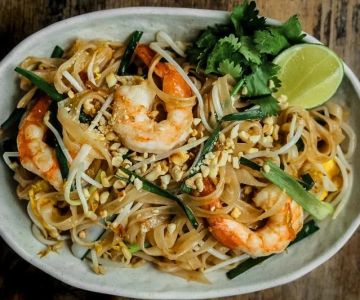
3.1 Pad Thai
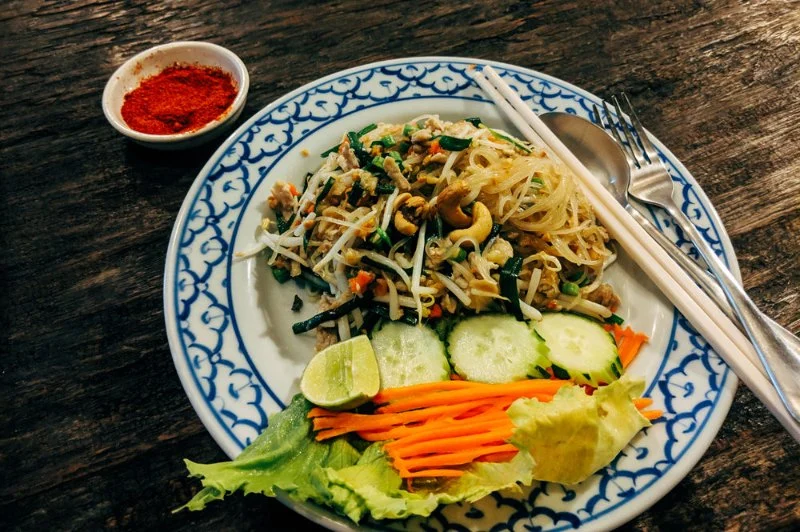
Pad Thai is a classic stir-fried noodle dish that’s beginner-friendly. It combines rice noodles, vegetables, tofu or shrimp, peanuts, and a tangy sauce. Preparing it helps you practice basic stir-frying and balancing flavors.
3.2 Thai Green Curry
This curry is rich and creamy with coconut milk and green curry paste. Start with chicken or vegetables to learn how Thai curries develop depth and aroma.
3.3 Fresh Spring Rolls
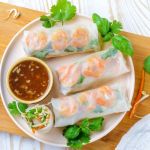
These rolls use rice paper and fresh vegetables, often paired with a peanut or sweet chili dipping sauce. They teach knife skills, rolling techniques, and flavor combinations without heat from a stove.
4. Cooking Tips to Build Confidence
Practice and organization are essential for beginner cooks. Pre-measure your ingredients, taste frequently, and don’t hesitate to adjust seasonings. Documenting what works well helps you replicate successful dishes consistently.
4.1 Experiment Gradually
Start with mild spices and gradually add heat as you become more comfortable. Understanding your taste preferences is part of building confidence in Thai cooking.
5. Where to Learn More and Find Resources
Thai Food provides step-by-step guides, ingredient lists, and beginner-friendly recipes. Their resources are designed to help novices experiment safely, learn essential techniques, and enjoy authentic Thai cuisine from home.
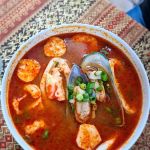 Ameri Thai Bistro4.0 (179 reviews)
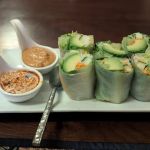 NaPha Thai Kitchen4.0 (277 reviews)
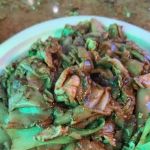 thank you come again3.0 (80 reviews)
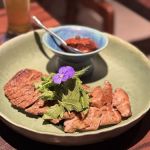 Narkara4.0 (127 reviews)
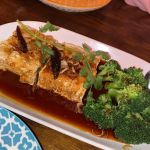 Erawan Thai Cuisine (Philadelphia)4.0 (372 reviews)
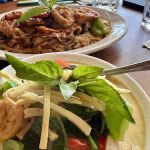 Absolute Thai4.0 (212 reviews)
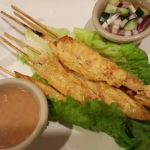 Thai Food in the Midwest: Hidden Gems Worth the Road Trip
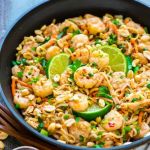 How to Make Thai Food That’s Perfect for a Sunday Brunch
 Thai Food for Food Bloggers: How to Create Great Content Around Thai Recipes
 Thai Basil Chicken (Pad Krapow) — Authentic Recipe & Flavor Hacks
 Thai Food for Singles: How to Enjoy Thai Cuisine Without Cooking for a Crowd
 How to Make Southern Thai Seafood Dishes at Home: Expert Recipes & Tips