Thai Food Ingredient Guide: Tapioca vs Sticky Rice — Know Your Rice
- Understanding Tapioca Rice
- What Is Sticky Rice?
- Tapioca vs Sticky Rice: Key Differences
- Popular Dishes Featuring Tapioca and Sticky Rice
- Real Case Example: Using Tapioca and Sticky Rice in Thai Cooking
- Where to Find Tapioca and Sticky Rice
Understanding Tapioca Rice
Tapioca rice is often associated with tapioca pearls, but in the context of Thai cooking, it’s used to refer to a starchier variety of rice. Tapioca rice is a key ingredient in many Thai desserts, such as the popular dessert “Tapioca Pudding,” and it is commonly used to make chewy, translucent pearls that add a unique texture to the dish. Tapioca rice can also be ground into flour, which is used in various Thai noodles and other culinary applications.
In its whole form, tapioca rice has a slightly translucent appearance and when cooked, it becomes very sticky, much like sticky rice, but with a softer texture. Its versatility in sweet and savory dishes makes it a popular choice in Thai cuisine, especially in dishes like “Tapioca Pearls with Coconut Milk.”
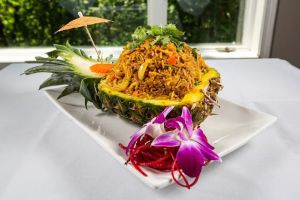
Blue Elephant Trail
West HartfordCapitol Planning RegionConnecticut
7 S Main St, West Hartford, CT 06107, USA
What Is Sticky Rice?
Sticky rice, also known as glutinous rice, is a type of rice commonly used in Southeast Asian cooking. It’s called “sticky” because of its high starch content, which makes it sticky when cooked. Unlike regular rice, sticky rice doesn’t become fluffy or separate when cooked; instead, it clumps together into sticky, cohesive lumps.
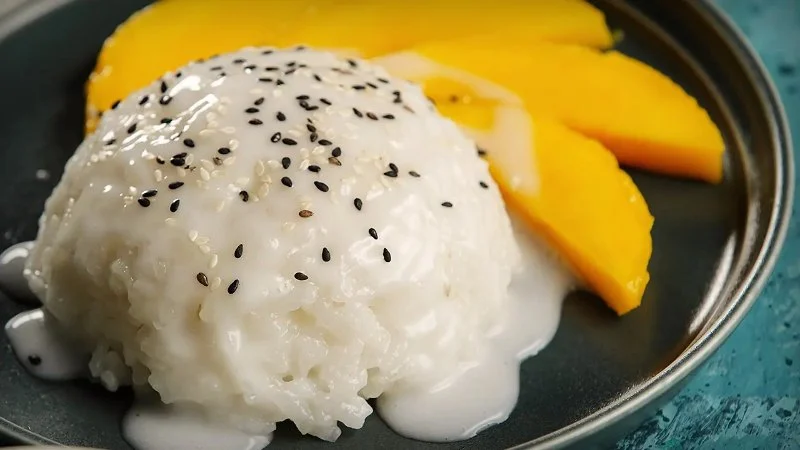
In Thai cuisine, sticky rice is a staple, and it’s used in both savory and sweet dishes. It’s often steamed in a bamboo basket, which helps the rice retain its unique texture. It’s a key component in dishes like “Mango Sticky Rice” and is also served with grilled meats and in salads.
Lucky Thai Kitchen
GuilfordSouth Central Connecticut Planning RegionConnecticut
1060 Boston Post Rd, Guilford, CT 06437, USA
Tapioca vs Sticky Rice: Key Differences
While both tapioca and sticky rice have similar properties in terms of their sticky texture, they are quite different in terms of their origin, appearance, and culinary uses. Here’s a breakdown of the main differences:
- Source: Tapioca rice comes from cassava roots and is primarily used in desserts or as a thickening agent. Sticky rice, on the other hand, is a variety of rice grown specifically for its sticky qualities, and it’s used in both savory and sweet dishes.
- Texture: Both tapioca and sticky rice become sticky when cooked, but sticky rice tends to be more chewy and dense, while tapioca has a softer, slightly gelatinous texture. The texture of tapioca rice is more similar to that of tapioca pearls found in pudding, while sticky rice has a firmer, almost dough-like consistency when cooked.
- Color: Sticky rice is typically white, though it can also come in purple or black varieties, while tapioca rice is usually translucent or milky white.
- Uses: Sticky rice is often served as a side dish, particularly in savory meals, or paired with tropical fruits and coconut for desserts. Tapioca rice, on the other hand, is primarily used for making desserts like pudding and sweet pearl dishes.
Popular Dishes Featuring Tapioca and Sticky Rice
Both tapioca and sticky rice play important roles in Thai cuisine. Here are some popular dishes featuring these two types of rice:
- Sticky Rice with Mango: A beloved Thai dessert, sticky rice is served with fresh mango and sweet coconut milk.
- Tapioca Pudding with Coconut Milk: This comforting dessert is made with chewy tapioca pearls cooked in coconut milk, often garnished with mango or other fruits.
- Grilled Sticky Rice with Banana: A delicious savory snack, sticky rice is wrapped around banana leaves and grilled to perfection.
- Tapioca Pearls with Palm Sugar: A sweet dessert that combines tapioca pearls with palm sugar and coconut milk.
Real Case Example: Using Tapioca and Sticky Rice in Thai Cooking
Many Thai chefs love to incorporate both tapioca and sticky rice into their dishes to create a unique textural experience. Chef Somchai, a Thai food expert, shared his experience of making a traditional dessert where he combined both rice varieties. He used sticky rice to create a solid base and topped it with chewy tapioca pearls soaked in sweet coconut milk, giving his guests a delightful contrast of textures. This combination is not only a delicious way to use both types of rice but also an example of the versatility and creativity possible with these ingredients in Thai cooking.
Where to Find Tapioca and Sticky Rice
If you’re looking to explore these ingredients in your own cooking, visit Thai Food for a variety of high-quality tapioca and sticky rice products. Whether you're creating a traditional Thai dish or experimenting with new recipes, these ingredients are available in most Asian grocery stores and online shops.
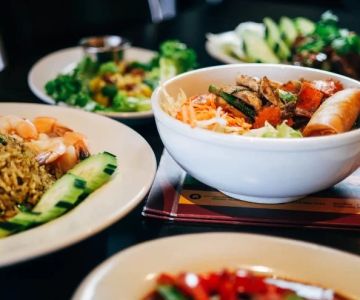
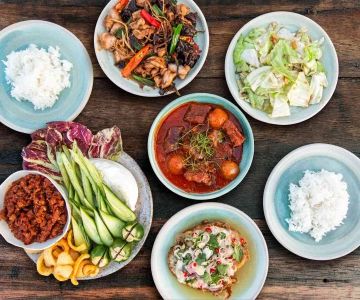
 Origin French Thai4.0 (986 reviews)
 Kc Siam0.0 (0 reviews)
 Dara4.0 (211 reviews)
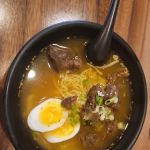 Roodle4.0 (448 reviews)
 Tong Phoon Restaurant4.0 (149 reviews)
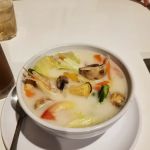 Chaba Thai Restaurant4.0 (226 reviews)
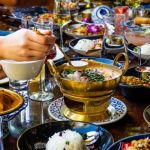 The Best Thai Food Restaurants in Indianapolis for Authentic Thai
 The Best Thai Food Recipes for Hosting a Dinner Party
 Thai Food in Popular Culture: From Movies to Instagram Trends
 Thai Food for Singles: How to Enjoy Thai Cuisine Without Cooking for a Crowd
 Thai Food for Baby Boomers: Healthy Thai Dishes That Still Excite the Palate
 Best Thai Food Restaurants in Orlando for Flavor Explorers