1. Introduction: The Cultural Significance of Thai Food
Thai food is renowned worldwide for its vibrant flavors, fresh ingredients, and unique combinations of sweet, sour, salty, and spicy. However, Thai cuisine is much more than just a culinary experience—it’s a reflection of the country’s rich culture and traditions. The way food is prepared, served, and enjoyed in Thailand reveals a deep connection to the country’s history, customs, and everyday life. In this article, we’ll explore how Thai food reflects Thai traditions and why it is so integral to the Thai way of life.
2. The Role of Food in Thai Society
Food plays a central role in Thai society, from family meals to religious ceremonies. In Thailand, food is often shared among family and friends, symbolizing unity and togetherness. The communal nature of Thai dining encourages people to connect with one another while enjoying a wide variety of dishes. Thai cuisine is also deeply intertwined with cultural and spiritual beliefs, as many dishes are prepared in specific ways to honor religious practices or seasonal festivals.

2.1. The Importance of Family Meals
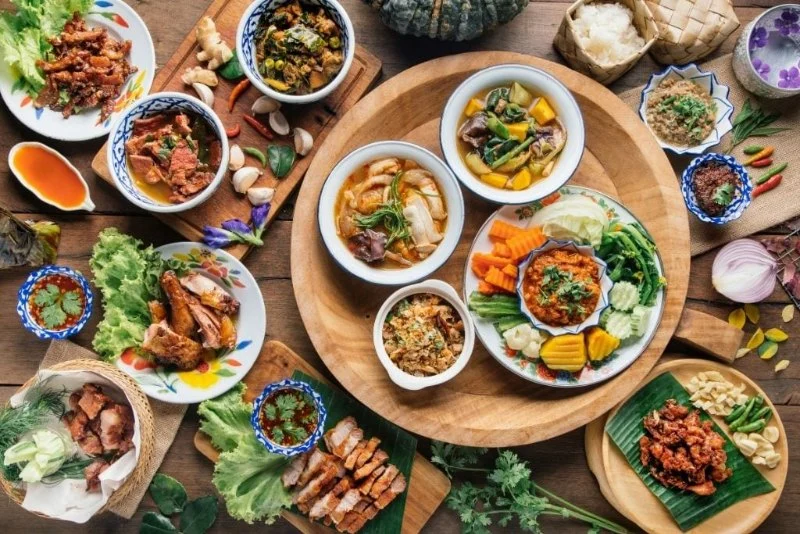
Family is at the heart of Thai culture, and mealtime is a time for families to come together and bond. A typical Thai meal consists of several dishes, including rice, curry, vegetables, and a variety of meats or seafood. This diversity of flavors and textures reflects the Thai belief in balance, where each dish complements the others. The act of sharing these dishes with family and friends is a central part of Thai dining culture, reinforcing the value placed on community and familial ties.
2.2. Religious and Cultural Celebrations
In Thailand, food is also an essential part of religious and cultural celebrations. For example, during the Thai New Year, Songkran, people prepare special dishes like khao chae (rice soaked in jasmine-scented water) and kanom krok (coconut pancakes). These foods are not only symbolic of the festival’s themes of renewal and cleansing but also reflect the importance of offering food to monks as part of the Buddhist practice of merit-making. These dishes, often prepared with care and shared with loved ones, embody the connection between food and spirituality in Thai culture.
3. How Thai Food Reflects Thai Traditions
Each dish in Thai cuisine has its own story and significance. The ingredients, cooking methods, and flavors all reflect the country’s diverse geography, history, and cultural influences. From the use of fresh herbs and spices to the balance of flavors, every element of Thai food tells a story about the culture and traditions that have shaped it.
3.1. The Balance of Flavors in Thai Cooking
One of the most distinctive aspects of Thai food is its emphasis on balancing the four primary flavors: sweet, sour, salty, and spicy. This balance is not just a culinary technique but a reflection of Thai philosophy, where harmony and balance are valued in all aspects of life. For example, a traditional Thai dish like som tum (green papaya salad) combines the sourness of lime, the sweetness of palm sugar, the saltiness of fish sauce, and the heat of chili peppers to create a harmonious, well-rounded flavor profile. This balance in food mirrors the Thai cultural belief in maintaining equilibrium in life and nature.
3.2. The Use of Fresh Ingredients
Fresh ingredients are a cornerstone of Thai cuisine. The use of fresh herbs like basil, cilantro, and mint, as well as vegetables and seafood, reflects Thailand’s abundance of natural resources. Many dishes are designed to highlight the freshness of these ingredients, which is why Thai food is often served immediately after preparation. The emphasis on fresh ingredients also connects to the Thai cultural value of living in harmony with nature, where the food you eat is seen as a reflection of the environment you live in.
4. Popular Thai Dishes and Their Cultural Significance
4.1. Pad Thai
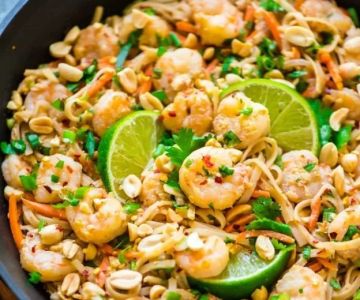
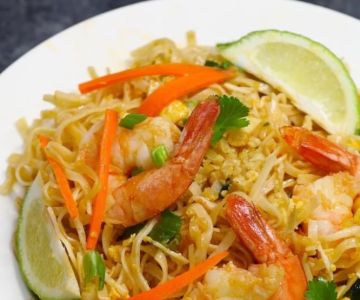
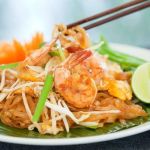
Pad Thai is one of the most well-known Thai dishes outside of Thailand, and for good reason. This stir-fried noodle dish, made with rice noodles, shrimp or chicken, peanuts, and a tangy tamarind sauce, is a perfect example of the balance of flavors in Thai cooking. Pad Thai was originally created in the 1930s during a time when Thailand was trying to develop a national identity. The dish became a symbol of Thai unity and is now enjoyed worldwide as a representation of Thai cuisine.
4.2. Green Curry
Green curry is another iconic dish in Thai cuisine, known for its rich and spicy flavor. The curry is made with green chilies, coconut milk, and a variety of herbs, such as kaffir lime leaves and basil. This dish reflects the use of fresh, aromatic ingredients in Thai cooking and is often served with jasmine rice to balance the heat. Green curry is a popular choice for family meals, further emphasizing the communal nature of Thai dining.
4.3. Tom Yum Soup
Tom Yum is a spicy and sour soup that is beloved in Thai cuisine. Made with shrimp or chicken, lemongrass, lime leaves, and chili, Tom Yum is known for its bold and invigorating flavors. The soup represents the Thai love for sour and spicy flavors, which are often paired together to create a refreshing yet powerful taste experience. Tom Yum is also a popular dish to serve during celebrations and is considered a comfort food for many Thai people.
5. The Future of Thai Food and Its Global Influence
Thai food has gained global recognition and is beloved by people around the world for its vibrant flavors and unique cooking techniques. As Thai food continues to evolve, many chefs are experimenting with traditional dishes while incorporating international influences. However, at its core, Thai cuisine remains deeply connected to its cultural roots and continues to reflect the values, traditions, and history of Thailand.
As the world continues to embrace Thai food, it’s important to remember the cultural significance behind the dishes we enjoy. Whether you’re savoring a bowl of Pad Thai or enjoying a plate of green curry, you’re experiencing a piece of Thailand’s rich cultural heritage.
If you're looking to explore more authentic Thai dishes or need ingredients to recreate these meals at home, visit Thai Food for the best products, stores, and services that will bring the flavors of Thailand to your kitchen.
 Thai Avenue4.0 (45 reviews)
 Nooddi - Thai Chef4.0 (527 reviews)
 Mango 2 Thai Cuisine4.0 (471 reviews)
 Forest Thai4.0 (149 reviews)
 Krua Thai 14.0 (240 reviews)
 PingYang Thai NJ4.0 (87 reviews)
 How to Make Thai Food That’s Cozy for Cold Winter Nights
 Thai Food for Date Night In: Candlelight + Curry for the Perfect Evening
 What to Order at a Thai Restaurant If You’re Gluten-Free
 The Best Thai Food Recipes for Social Gatherings & Watch Parties
 How to Make Thai Food That’s Balanced for Both Flavor & Nutrition
 How to Host an Authentic Thai Food Night at Home with Theme Decor