- 1- Why a Wok is Essential for Thai Cooking
- 2- Essential Ingredients for Thai Wok Dishes
- 3- Step-by-Step Guide: How to Make Thai Food with a Wok
- 4- Tips for Perfecting Your Thai Wok Dishes
- 5- Common Mistakes to Avoid When Cooking Thai Food
1- Why a Wok is Essential for Thai Cooking
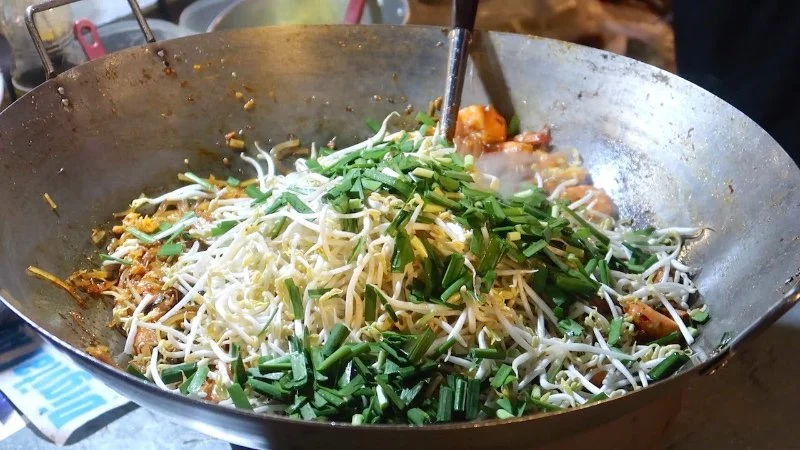
A wok is a versatile and traditional cooking tool that’s perfect for preparing authentic Thai dishes. The wok’s design—wide, round bottom and high, sloping sides—allows for quick, even cooking, which is essential for stir-frying, deep-frying, and simmering in Thai cuisine. This is especially important in Thai cooking, where maintaining high heat and fast cooking times are key to preserving the vibrant flavors and textures of ingredients.
Unlike flat pans, the wok’s shape promotes even heat distribution, which helps you achieve that characteristic wok hei—the smoky flavor that’s essential to many Thai dishes like Pad Thai, stir-fried vegetables, and curry. It’s also ideal for cooking over high flames, which is typical in Thai street food cooking.

NK Restaurant
KillinglyNortheastern Connecticut Planning RegionConnecticut
18 Furnace St, Danielson, CT 06239, USA
2- Essential Ingredients for Thai Wok Dishes
Before you start cooking, it’s important to gather the right ingredients. Thai cooking is all about balancing flavors—sweet, salty, sour, and spicy. Here are some of the key ingredients you’ll need to create authentic Thai dishes in your wok:
- Fish Sauce: A key component of many Thai recipes, fish sauce adds saltiness and umami to dishes.
- Rice Noodles: Essential for dishes like Pad Thai and other stir-fries, rice noodles provide a delicate texture that absorbs flavors beautifully.
- Thai Basil: Thai basil, with its unique peppery flavor, is used in many Thai stir-fries and curry dishes.
- Galangal: A type of ginger with a more citrusy, earthy flavor, galangal is used in soups and curries.
- Chilies: Thai cuisine is known for its spice, and fresh chilies (or chili paste) are crucial to achieving that fiery heat.
- Coconut Milk: Used in many Thai curries and soups, coconut milk provides a creamy texture and a subtle sweetness to balance the heat of the chilies.
3- Step-by-Step Guide: How to Make Thai Food with a Wok
Cooking Thai food with a wok is simple once you understand the process. Here’s a basic step-by-step guide to help you get started:
- Step 1: Prepare Your Ingredients: Before you start cooking, ensure all your ingredients are chopped, minced, and ready to go. This is especially important with stir-frying, as you’ll need to work quickly over high heat.
- Step 2: Heat the Wok: Place your wok on the stove and heat it over medium-high heat. Once hot, add your cooking oil (such as vegetable oil or coconut oil). Swirl it around to coat the bottom of the wok.
- Step 3: Stir-Fry the Aromatics: Add aromatics like garlic, ginger, and shallots to the wok and cook until fragrant. This is the base of many Thai dishes and will set the flavor profile.
- Step 4: Add Protein and Vegetables: Add your protein (tofu, chicken, shrimp, or beef) and vegetables to the wok. Stir-fry them until cooked through, being careful not to overcrowd the wok.
- Step 5: Season and Add Sauces: Once the protein and vegetables are cooked, add your seasonings like fish sauce, soy sauce, sugar, and lime juice. Stir everything together to combine the flavors.
- Step 6: Finish and Serve: Once everything is perfectly cooked and seasoned, remove the wok from the heat and transfer the dish to a plate. Garnish with fresh herbs like Thai basil or cilantro, and serve with steamed jasmine rice or noodles.
4- Tips for Perfecting Your Thai Wok Dishes
To take your Thai cooking to the next level, here are some helpful tips for getting the most out of your wok and your ingredients:
- Use High Heat: Thai food is often cooked over very high heat to preserve the freshness of the ingredients and to achieve that smoky wok flavor (wok hei). Don’t be afraid to crank up the heat—just be sure to have everything prepped and ready to go.
- Don’t Overcrowd the Wok: Overcrowding the wok can lower the temperature and result in steaming instead of stir-frying. Cook in batches if necessary to maintain high heat.
- Balance Your Flavors: Thai food is all about balancing sweet, salty, sour, and spicy flavors. Taste your dish as you go and adjust seasonings accordingly. Add sugar for sweetness, lime for sourness, fish sauce for saltiness, and chilies for heat.
- Invest in a Good Wok: A well-seasoned carbon steel wok is an excellent investment for stir-frying. It heats evenly and provides the best results when cooking over high heat.
5- Common Mistakes to Avoid When Cooking Thai Food
While cooking Thai food with a wok is straightforward, beginners can sometimes make a few mistakes. Here are some common pitfalls to avoid:
- Not Prepping Ingredients: Preparing your ingredients ahead of time is crucial, especially when stir-frying at high heat. Having everything ready to go ensures a smooth cooking process and prevents overcooking.
- Using Too Much Oil: While oil is essential for stir-frying, too much can make your dish greasy. Use just enough to coat the bottom of the wok and keep the ingredients moving.
- Using the Wrong Heat Level: Thai cooking often requires high heat to get that authentic stir-fried texture. Using too low a heat can cause your food to steam or stew instead of frying.
- Not Tasting as You Go: Thai food is all about balance, so make sure to taste your dish as you cook and adjust seasonings as needed. A little extra lime juice or chili can transform a dish.

 Pho &Thai Westborough4.0 (132 reviews)
 Thai Yummy4.0 (26 reviews)
 Nahm Thai & French Cuisine4.0 (222 reviews)
 Kensi Thai4.0 (64 reviews)
 Machim House of Thai Food4.0 (99 reviews)
 Lan Larb Chiang Mai, Soho4.0 (1168 reviews)
 Thai Food for Food Bloggers: How to Create Great Content Around Thai Recipes
 Thai Food for Summer: Light, Fresh & Flavor-Packed Recipes
 Thai Food Ingredient Swap: Coconut Sugar vs Palm Sugar — Which to Use?
 The Best Thai Food Recipes for Hosting Friends & Family
 The Best Thai Food Restaurants in San Francisco for Best Value
 Thai Food Ingredient Spotlight: Dried Kaffir Lime — What & How