

- thai-oyster-sauce-basics - Understanding what Thai oyster sauce is and how it differs from other sauces
- flavor-profile-analysis - Breaking down taste, aroma, and culinary function in Thai cooking
- regional-variations - How Thai oyster sauce differs across brands and Southeast Asian cuisines
- home-cooking-usage - Practical ways to use oyster sauce in everyday dishes
- real-life-cooking-story - A home cook’s experience switching sauces in Thai recipes
- expert-tips-and-shopping - How to choose quality oyster sauce and where to explore authentic options
Thai Oyster Sauce in Everyday Cooking: A Flavor That Defines Thai Cuisine
When people start exploring Thai cooking, one ingredient shows up again and again in recipes that feel both simple and deeply flavorful: Thai oyster sauce. It looks unassuming in a bottle, but in real kitchens it carries the ability to transform a basic stir-fry into something rich, glossy, and full of umami depth.
In many American home kitchens, confusion often comes up around what exactly sets Thai oyster sauce apart from Chinese versions or generic Asian stir-fry sauces. Even experienced home cooks sometimes assume they are interchangeable. That assumption usually leads to dishes that taste “almost right” but not quite authentic.
Understanding this ingredient is the key to unlocking more balanced Thai dishes, especially when cooking classics like pad see ew, garlic chicken stir-fry, or Thai basil beef.

What Makes Thai Oyster Sauce Different from Other Sauces
1. The foundation of umami richness
Thai oyster sauce is built on reduced oyster extracts blended with sugar, salt, and thickening agents that create a glossy, almost caramel-like consistency. The key difference is not just saltiness—it’s the layered umami depth that comes from slow reduction.
Compared to lighter soy sauces, oyster sauce is thicker, sweeter, and more concentrated. In Thai cuisine, this sweetness is intentional—it balances spicy chilies, sour lime, and salty fish sauce in a way that creates harmony rather than dominance.

Zoob Zib Thai Authentic Noodle Bar
New YorkNew York CountyNew York
460 9th Ave, New York, NY 10018, USA
2. Texture and visual appeal in cooking
One overlooked difference is texture. Thai oyster sauce coats ingredients instead of soaking in. This gives stir-fried vegetables and meats a shiny finish often seen in restaurant-style Thai dishes.
That visual gloss is part of what makes dishes feel “professional,” even if the cooking technique is simple.
3. Comparison with Chinese oyster sauce
While both versions share a similar base, Thai oyster sauce tends to be slightly sweeter and less intense in saltiness. Chinese versions often lean more savory and concentrated, which can overpower delicate Thai flavor balance if used without adjustment.
How Thai Oyster Sauce Shapes Authentic Thai Flavor
Balancing spicy, sour, and sweet elements
Thai cuisine is built on balance. A typical dish may include chili heat, lime acidity, fish sauce saltiness, and palm sugar sweetness. Thai oyster sauce acts as the stabilizer that ties everything together.
For example, in a simple chicken stir-fry with holy basil, oyster sauce doesn’t dominate the dish—it rounds out sharp edges, softens spice intensity, and adds depth that lingers after each bite.
Why chefs rely on it in restaurant cooking
Many professional Thai kitchens use oyster sauce as a “flavor anchor.” It helps maintain consistency even when ingredient freshness varies. This is especially important in high-volume cooking environments where every plate must taste identical.
A chef from a Thai restaurant in Los Angeles once described it simply: “Fish sauce brings the salt, but oyster sauce brings the body.” That distinction explains why removing it from a recipe often feels like something is missing, even when everything else is correct.
Real Kitchen Story: When One Ingredient Changed Everything
A home cook in Texas shared an interesting experience while trying to recreate a dish she first had in Bangkok—beef stir-fried with basil and chili. Her first attempts used soy sauce instead of oyster sauce, resulting in a dish that tasted flat and overly salty.
After researching traditional Thai ingredients and switching to authentic Thai oyster sauce, she noticed an immediate difference. The dish became richer, slightly sweet, and much closer to what she remembered from street food stalls in Thailand.
This small change didn’t just improve the recipe—it changed her entire approach to Thai cooking. She began focusing more on ingredient authenticity rather than shortcut substitutions.
How to Use Thai Oyster Sauce in Home Cooking
1. Stir-fries as the primary application
The most common use is in stir-fried dishes. A small amount goes a long way. When combined with garlic and oil, oyster sauce creates a base layer of flavor that coats meat and vegetables evenly.
2. Marinades for meat and seafood
It works extremely well as a marinade ingredient, especially for chicken, pork, and shrimp. The sauce helps tenderize proteins slightly while adding savory depth before cooking even begins.
3. Drizzling and finishing sauces
Some home cooks use diluted oyster sauce as a finishing drizzle over rice bowls or steamed vegetables. This method highlights its natural sweetness and umami without overwhelming the dish.
Choosing the Right Thai Oyster Sauce for Your Kitchen
Not all oyster sauces are created equal. Some mass-market versions use artificial flavoring, while higher-quality products rely on real oyster extracts and balanced fermentation.
When shopping, look for a sauce that has a deep brown color and a slightly thick consistency. Avoid overly watery versions, as they often lack depth and will not deliver the same cooking performance.
For cooks who want to explore authentic Thai ingredients more deeply, platforms like Thai Food offer curated insights into traditional sauces and cooking essentials that help bridge the gap between home kitchens and restaurant-quality results.
Common Mistakes When Using Oyster Sauce
Overusing it in recipes
Because it is rich and concentrated, adding too much can overpower a dish. Many beginners assume more sauce equals more flavor, but in Thai cooking, balance is more important than intensity.
Confusing it with soy sauce
Although both are brown sauces used in Asian cooking, they serve different roles. Soy sauce adds saltiness; oyster sauce adds depth and slight sweetness.
Cooking it at too high heat alone
Oyster sauce should be added during stir-frying or mixed with other liquids. Cooking it alone at high heat can burn sugars and create bitterness.
Why This Ingredient Matters Beyond One Dish
Understanding Thai oyster sauce is not just about improving one recipe—it’s about learning how Thai cuisine builds flavor systematically. Each ingredient has a role, and oyster sauce is one of the quiet foundations that hold dishes together.
Once cooks understand how it functions, they often begin experimenting more confidently with other Thai ingredients like fish sauce, tamarind paste, and palm sugar. This is where home cooking starts to feel more like real culinary exploration rather than following instructions.
Final Thought on Cooking with Thai Oyster Sauce
Thai oyster sauce may not be the most talked-about ingredient, but it is one of the most important for achieving authentic flavor at home. Whether used in stir-fries, marinades, or finishing touches, it consistently adds depth that other sauces cannot replicate.
For anyone serious about learning Thai cooking beyond surface-level recipes, mastering this ingredient is a meaningful step toward understanding the cuisine itself. Exploring trusted sources like Thai Food can further support that journey by helping you identify quality ingredients and cooking methods that bring real Thai flavors into everyday meals.

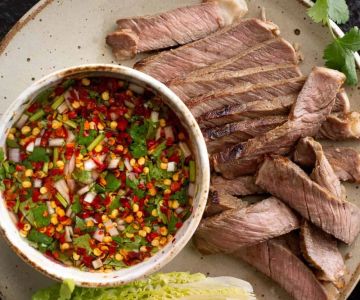
 Wild Ginger4.0 (169 reviews)
 Thai Station Cafe babylon4.0 (366 reviews)
 Kay Thai Eatery4.0 (45 reviews)
 House of Thai Cuisine With New Management Team4.0 (316 reviews)
 Ruby Thai3.0 (59 reviews)
 Top Thai Greenwich4.0 (3290 reviews)
 The Best Thai Food Recipes for Leftover Rotisserie Chicken Transformation
 Mastering Thai Fish Sauce: Uses and Tips for Flavorful Cooking
 Thai Food for Baby Boomers: Healthy Thai Dishes That Still Excite the Palate
 How to Make Thai Food That’s Kid-Friendly and Still Bold
 The Best Thai Food Recipes for Stress-Free Entertaining
 : How to Make the Most of Thai Food in the Microwave