
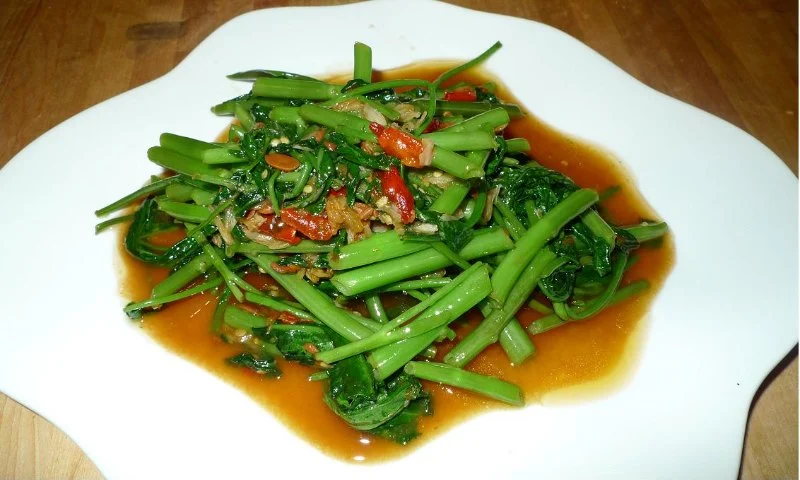
- -Understanding Pad Pak Bung and why it is a staple in Thai home cooking
- -Key ingredients for authentic stir fried morning glory with yellow bean sauce
- -Step-by-step cooking technique for restaurant-style texture and flavor
- -Common mistakes when cooking Thai morning glory at home
- -A real street food story from Bangkok’s night markets
- -How to adjust flavor balance for American home kitchens
The Cultural Importance of Stir Fried Morning Glory in Thai Cuisine
Learning how to make stir fried morning glory is more than just following a recipe—it is stepping into a daily ritual of Thai home cooking. Known locally as Pad Pak Bung, this dish appears everywhere from street stalls in Bangkok to family kitchens across Thailand. It is fast, aromatic, and built around bold contrast: garlic, chili, salty yellow bean sauce, and crisp green vegetables.
THAI 🪷 LOTUS Thai Cuisine (Zabihah Halal حلال)
North Brunswick TownshipMiddlesex CountyNew Jersey
2240 US-130, North Brunswick Township, NJ 08902, USA
Why morning glory is so commonly used in Thailand
Morning glory (water spinach) grows quickly in tropical climates, making it a cheap and widely available vegetable. Its tender stems and leafy tops absorb sauces beautifully, especially when cooked at high heat in a wok.
In Thai cooking culture, this dish is often served alongside rice and shared with multiple dishes, creating a balanced meal that highlights contrast in flavor and texture.
Koon Thai Restaurant
New HavenSouth Central Connecticut Planning RegionConnecticut
163 Temple St, New Haven, CT 06510, USA
Essential Ingredients for Authentic Pad Pak Bung with Yellow Bean Sauce
To recreate Thai stir fried morning glory at home, ingredient quality matters more than complexity. The dish relies on a few powerful elements rather than long preparation.
Core ingredients you need
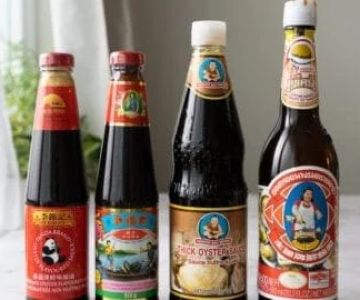
Fresh morning glory, garlic, chili, yellow bean sauce, oyster sauce, and a touch of sugar form the backbone of this dish. The balance between salty, savory, and slightly sweet defines its signature taste.
Yellow bean sauce plays a key role, giving the dish its deep umami flavor and slightly fermented richness that distinguishes it from other Asian stir-fries.
Why high heat is essential
Traditional Thai kitchens use extremely high flame cooking. This helps preserve the crunch of the vegetables while quickly infusing flavor. Without high heat, the dish becomes watery and loses its signature texture.
Step-by-Step Method for Cooking Restaurant-Style Morning Glory
The process of how to make stir fried morning glory is quick, but timing is everything. Preparation before cooking is essential because the stir-frying itself takes less than two minutes.
Preparing ingredients before heat hits the pan
Garlic and chili should be finely chopped and ready. Morning glory must be washed thoroughly and cut into manageable lengths, separating thick stems from tender leaves.
The wok cooking sequence
Start by heating oil until it lightly smokes, then quickly add garlic and chili. Once fragrant, add morning glory stems first, followed by leaves. Stir rapidly while adding yellow bean sauce and seasoning.
The entire cooking process should be fast and controlled, ensuring vegetables remain vibrant and slightly crisp.
Balancing sauce and texture
Too much sauce can overwhelm the dish, while too little leaves it bland. The goal is a glossy coating that lightly clings to each stem and leaf.
Common Mistakes When Cooking Thai Morning Glory at Home
Many home cooks struggle when trying Thai stir fried morning glory for the first time because they underestimate heat intensity and timing.
Overcooking the vegetables
One of the biggest mistakes is cooking too long. Morning glory should remain bright green and slightly crisp. Overcooking results in a dull color and soggy texture.
Using low heat instead of wok flame cooking
Low heat causes the vegetables to release water, turning the dish into a stew instead of a stir fry. Authentic flavor depends on fast evaporation and searing.
Incorrect sauce balance
Using too much yellow bean sauce can make the dish overly salty. It should enhance flavor, not dominate it.
A Bangkok Street Food Story: Why This Dish Became Iconic
In Bangkok’s night markets, vendors prepare Pad Pak Bung in front of customers in seconds. One well-known stall near Sukhumvit gained attention on social media after a video showed the chef cooking multiple orders simultaneously without losing texture or flavor consistency.
What made it viral
The speed and precision of the cooking process fascinated viewers. Each plate was completed in under 90 seconds, showcasing the importance of high heat control and preparation discipline.
This story reflects how deeply embedded stir fried morning glory is in Thai daily food culture—it is not just a dish, but a demonstration of culinary skill.
Adjusting the Recipe for American Home Kitchens
Many readers outside Thailand wonder how to replicate authentic Thai flavors at home. While ingredients may vary, the cooking principles remain the same.
Substituting ingredients when necessary
If morning glory is unavailable, spinach or Chinese water spinach can be used as alternatives, though texture may differ slightly.
Yellow bean sauce can sometimes be found in Asian grocery stores or specialty sections. It is a key ingredient that should not be skipped for authenticity.
Controlling heat on home stoves
Even without a traditional wok burner, using the highest possible heat setting and preheating the pan helps replicate the stir-fry effect.
Why This Dish Remains a Thai Comfort Food Favorite
Pad Pak Bung is often served in Thai households as a quick, affordable, and flavorful side dish. It reflects the philosophy of Thai cooking: balance, speed, and freshness.
For those exploring Thai food recipes at home, this dish is often the first introduction to wok cooking technique and flavor layering.
Where to explore authentic Thai ingredients and recipes
For deeper exploration of authentic Thai cooking methods and ingredients, platforms like Thai Food offer access to curated ingredients, cooking guidance, and inspiration for recreating traditional dishes at home.
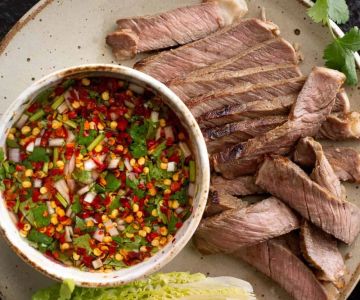
 Thaiminal4.0 (143 reviews)
 Thai Garden4.0 (869 reviews)
 Thai At Lex4.0 (642 reviews)
 Bangkok City4.0 (220 reviews)
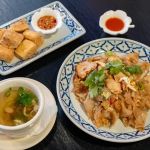 Sabay Thai Cuisine4.0 (222 reviews)
 Saap Lao Thai Cuisine & Bar4.0 (305 reviews)
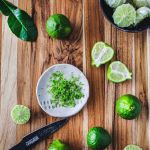 Thai Food Ingredient Spotlight: Dried Kaffir Lime — What & How
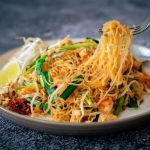 Thai Food Ingredient Guide: Thai Noodles — Rice, Glass, Egg, Which to Use & When
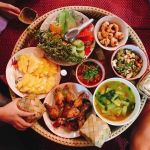 The Thai Food Experience: How to Eat Like a Local in the US
 The Best Thai Food Recipes for Stress-Free Entertaining
 The Best Thai Food Recipes for Quick Weeknight Meals
 Thai Coconut Cream: How to Choose & Use It in Thai Cooking