
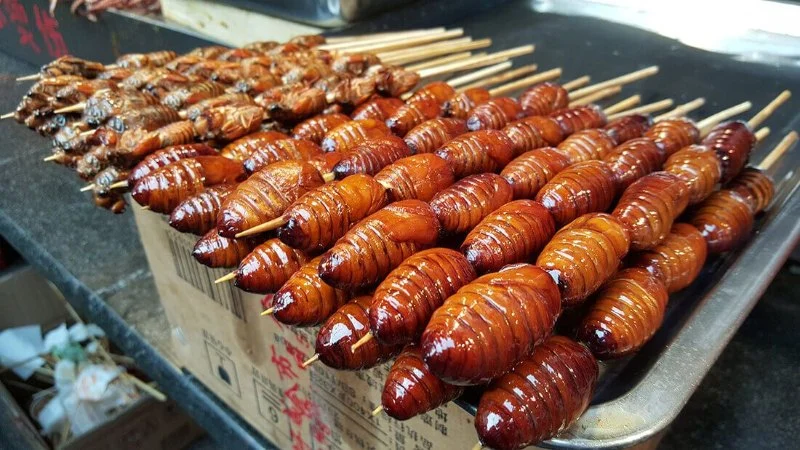
The Delicacy of “Meng Da” – A Bug for the Brave and the World of Exotic Eating
- meng-da-insect-delicacy-origins - cultural roots of edible insects in Southeast Asia
- thai-bug-eating-tradition - how street food culture embraces insects
- flavor-profile-of-meng-da - taste, texture, and culinary perception
- sustainable-protein-insects - environmental and nutritional value of insect foods
- adventurous-food-experiences - why travelers seek extreme cuisine moments
Understanding the Cultural Meaning Behind Meng Da
The phrase “The Delicacy of ‘Meng Da’ – A Bug for the Brave” often surprises first-time listeners, especially those unfamiliar with Southeast Asian food traditions. In Thailand and surrounding regions, edible insects are not a novelty trend—they are part of a long-standing culinary heritage shaped by geography, agriculture, and resourcefulness.
In rural communities, insects like grasshoppers, crickets, and beetle larvae have historically been consumed as a natural source of protein. The idea was simple: food should be accessible, nutritious, and adaptable to the environment. Over time, what began as necessity evolved into cultural identity and eventually into a celebrated street food category.
When travelers encounter Meng Da for the first time, they are often reacting not just to taste, but to cultural unfamiliarity. However, within Thai food culture, these ingredients are treated with the same culinary respect as seafood or meat dishes.
Many visitors exploring authentic Thai Food experiences report that their first exposure to insect-based dishes becomes a memorable highlight of their journey, often shifting their perception of what “delicacy” truly means.

The Street Food Reality of Edible Insects in Thailand
Walking through night markets in Thailand, it is not unusual to see vendors selling crispy insects in small paper bags. Among them, Meng Da is often highlighted due to its distinctive size, aroma, and preparation style.
Street vendors typically prepare these insects through frying techniques that enhance crunchiness while reducing any natural bitterness. Seasoning may include salt, chili powder, or garlic infusion, creating a surprisingly balanced flavor profile.
A well-known travel story shared among backpackers describes a group in Bangkok’s Khao San Road who initially hesitated but eventually tried a mixed insect platter. Their reactions ranged from surprise to genuine appreciation, especially after discovering the similarity between crispy insects and roasted nuts in texture.
This type of culinary experience reflects a broader truth: perception often changes after the first bite.
Flavor Profile and Sensory Experience of Meng Da
Describing the taste of Meng Da is not straightforward because it depends heavily on preparation. When fried properly, the outer texture becomes crisp while the interior remains slightly soft, offering a contrast similar to shellfish or roasted seeds.
Some food enthusiasts compare the flavor to earthy shrimp shells or toasted almonds with a hint of herbal bitterness. Others focus more on texture than taste, emphasizing crunch as the dominant sensory feature.
What makes this experience unique is the psychological shift involved. The first impression is often visual hesitation, but once consumed, the flavor tends to feel less extreme than expected.
Within adventurous food circles, especially those exploring exotic Thai Food dishes, Meng Da is considered a “gateway insect”—a starting point for understanding the broader edible insect category.
Platforms like Thai Food often highlight how such ingredients are integrated into traditional cuisine rather than treated as shock-value items, helping travelers appreciate the cultural authenticity behind them.
Nutritional and Environmental Value of Insect-Based Foods
Beyond cultural curiosity, edible insects like Meng Da are increasingly discussed in global sustainability conversations. Insects require significantly fewer resources to produce compared to traditional livestock.
They consume less water, require smaller land areas, and produce lower greenhouse gas emissions. This makes them an efficient protein source in regions facing environmental and food security challenges.
From a nutritional standpoint, insects often contain high levels of protein, essential amino acids, and micronutrients such as iron and zinc. This has led food researchers to explore their potential role in future diets.
In Thailand, this is not a futuristic concept—it is already part of everyday street food culture, where sustainability and tradition naturally overlap.
Real Traveler Experiences and Emotional Reactions
One frequently shared story comes from a European traveler who documented their experience trying Meng Da for the first time in Chiang Mai. Initially skeptical, they described a mix of nervous laughter and hesitation before finally taking a bite.
After the experience, their reaction shifted dramatically. Instead of focusing on “bugs,” they began analyzing flavor, seasoning, and texture like any other gourmet dish. This mental transition is a common theme among first-time insect eaters.
Another traveler mentioned that the experience became a conversation highlight for months after returning home. It was not just about food—it became a story of overcoming hesitation and expanding culinary boundaries.
These emotional reactions are part of why adventurous foods like Meng Da continue to attract global attention.
Why Adventurous Eating Is Becoming a Global Trend
Modern food culture is increasingly driven by experience rather than tradition alone. Social media, travel content, and global connectivity have encouraged people to try dishes they would previously avoid.
In this context, exotic foods are no longer seen as “strange” but as opportunities for storytelling and cultural exchange. Meng Da fits perfectly into this movement because it challenges assumptions while offering genuine culinary value.
Food enthusiasts today often seek experiences that are memorable, shareable, and emotionally engaging. Edible insects provide all three elements in a single bite.
This shift has also encouraged restaurants and food platforms like Thai Food to present traditional dishes in more accessible ways, helping bridge cultural gaps through cuisine.
How to Approach Trying Meng Da for the First Time
For first-time tasters, mindset plays a major role. Approaching the experience with curiosity rather than hesitation often leads to a more positive outcome.
Starting with lightly seasoned versions can help ease the transition. Pairing with familiar flavors like chili, garlic, or salt can also make the experience more approachable.
It is also helpful to understand the cultural background before tasting. Knowing that this food has deep roots in tradition often changes perception significantly.
Many experienced travelers suggest treating it as part of a broader cultural exploration rather than a challenge to overcome.
For those interested in discovering authentic versions or learning more about similar Thai delicacies, curated food experiences and guides on Thai Food can provide deeper insight into where and how these dishes are traditionally enjoyed.


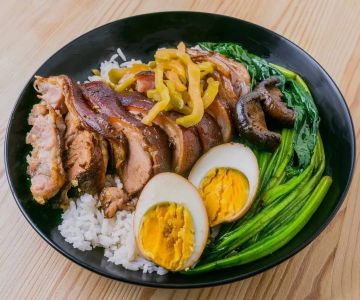
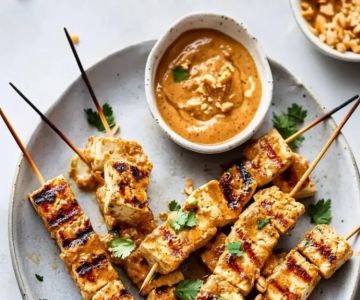
 Royal Orchid4.0 (81 reviews)
 Pimaan Thai Restaurant4.0 (725 reviews)
 Bangkok Bistro Thai Eatery4.0 (376 reviews)
 Forever Thai4.0 (831 reviews)
 Sunrise 2 Authentic Thai Food (Bryn Mawr Location)4.0 (46 reviews)
 Dara4.0 (211 reviews)
 Mastering Thai Fish Sauce: Uses and Tips for Flavorful Cooking
 The Best Thai Food Restaurants in Milwaukee for Authentic Thai Flavor
 Thai Food Ingredient Guide: Thai Eggplant — How to Cook & Enjoy It
 How to Make Thai Food That’s Cozy Enough for Winter Nights
 How to Make Thai Food That’s Ready in Under 20 Minutes Without Losing Real Thai Flavor
 Thai Food Ingredient Guide: Tamarind Paste & Its Many Uses