
Bringing Thai Kitchen Aromas Home: Red Curry Paste Made Simple
- thai-red-curry-paste-basics - understanding the foundation of flavor in Thai cooking
- essential-ingredients-breakdown - herbs, spices, and chili selection explained
- step-by-step-video-style-method - practical guidance for making curry paste at home
- common-mistakes-to-avoid - why paste sometimes turns bitter or bland
- how-to-store-and-use-paste - maximizing freshness and flavor in everyday meals
Understanding What Makes Thai Red Curry Paste So Distinct
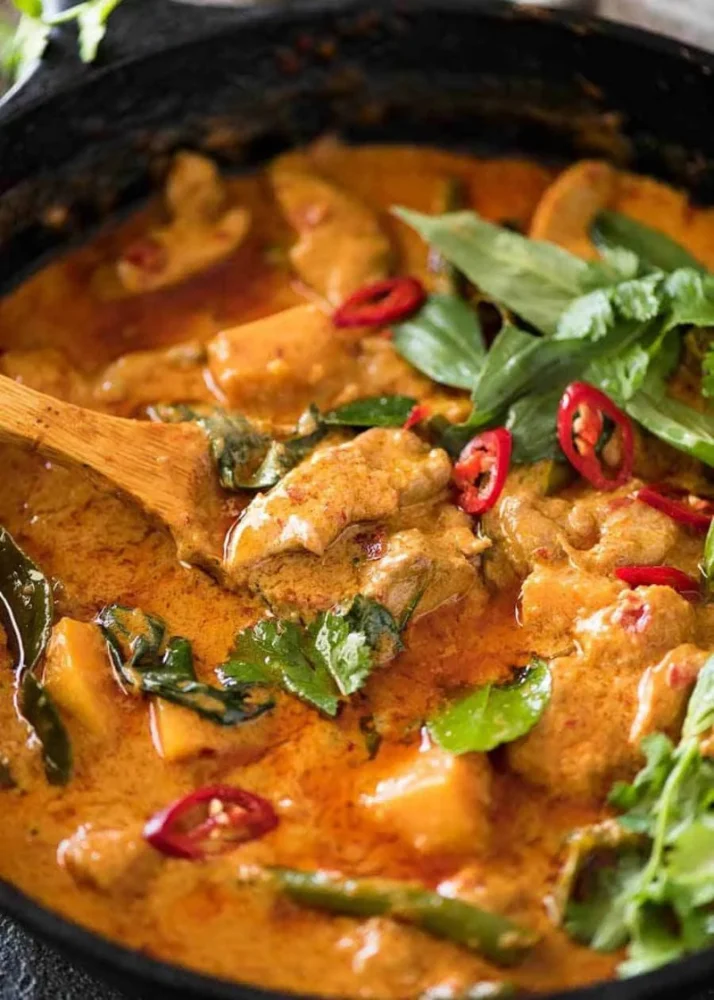
If you’ve ever tasted a rich bowl of Thai curry that feels layered, aromatic, and slightly spicy in a warm, comforting way, you’ve already experienced the magic of red curry paste. Learning how to make Thai red curry paste at home is not just about following a recipe—it’s about understanding balance, tradition, and technique.
Unlike store-bought versions, homemade curry paste allows you to control heat, fragrance, and texture. It’s the foundation of countless Thai dishes, from creamy coconut curries to grilled marinades and even noodle soups.
Thairiffic in the Valley
BrodheadsvilleMonroe CountyPennsylvania
2232 PA-115, Brodheadsville, PA 18322, USA
The Core Ingredients Behind Authentic Flavor
Dried red chilies as the heat base
Red chilies are the backbone of any Thai red curry paste recipe. They provide heat, but more importantly, they contribute color and depth. Traditionally, dried chilies are soaked before blending, which softens them and unlocks a smoky undertone.

Aromatic herbs that define complexity
Ingredients like lemongrass, galangal, and kaffir lime zest are essential. Each plays a unique role—lemongrass adds citrus brightness, galangal brings earthy sharpness, and lime zest introduces a floral lift that ties everything together.
Garlic, shallots, and shrimp paste balance
These ingredients create the savory base. Garlic and shallots bring sweetness when cooked down, while shrimp paste introduces umami depth that is impossible to replicate with substitutes.
Step-by-Step Video Style Guide to Making Curry Paste
Step 1: Preparing ingredients like a Thai kitchen
Before blending begins, everything should be washed, peeled, chopped, and measured. In traditional Thai cooking, preparation is considered just as important as cooking itself.
A common mistake beginners make is rushing this step, which leads to uneven blending and inconsistent flavor.
Step 2: Soaking and softening dried chilies
Soak dried chilies in warm water for about 10–15 minutes. This step ensures they blend smoothly and evenly with other ingredients, preventing a gritty texture.
Step 3: Pounding or blending for authentic texture
Traditionally, Thai curry paste is made using a mortar and pestle. This method releases oils slowly and preserves aroma. However, modern kitchens often use a blender for convenience.
If using a blender, add a small amount of oil or water to help the mixture move smoothly without losing flavor intensity.
Step 4: Layering ingredients in the correct order
Start with harder ingredients like lemongrass and galangal, then gradually add softer items like garlic and shallots. Chilies should be blended throughout to ensure even spice distribution.
Step 5: Final paste refinement
Once blended, the paste should be thick, aromatic, and slightly oily. This indicates that natural oils from herbs and spices have been released properly.
Real Kitchen Story: When Curry Paste Changed a Dinner Party
A home cook in California once shared how she attempted her first homemade Thai red curry paste for a small dinner gathering. Initially, she relied on a pre-made jar, but the dish lacked depth. After learning the proper method of how to make Thai red curry paste, she tried again.
The second attempt transformed the entire meal. Guests immediately noticed the difference—more fragrance, richer color, and a lingering warmth that felt restaurant-quality. It became her signature dish for every gathering afterward.
This kind of transformation is common when switching from packaged pastes to homemade versions. The difference is not subtle—it is immediately noticeable.
Common Mistakes That Affect Flavor Quality
Over-blending ingredients
Over-processing can heat the mixture and dull the aroma of fresh herbs. This is especially common when using high-speed blenders without pauses.
Incorrect chili balance
Too many chilies can overpower the paste, while too few can make it bland. The key is balancing heat with aromatics.
Skipping traditional ingredients
Removing elements like shrimp paste or galangal changes the entire identity of the dish. Even small substitutions can significantly alter flavor authenticity.
How to Store and Use Homemade Curry Paste
Once prepared, curry paste can be stored in airtight containers in the refrigerator for up to a week. For longer storage, freezing is a better option and helps preserve aroma.
It can be used in a variety of dishes beyond curry, including marinades for grilled meats, stir-fried vegetables, and noodle soups. This versatility makes it a valuable kitchen staple.
For those exploring authentic Thai cooking ingredients and tools, Thai Food offers helpful resources to elevate your homemade cooking experience.
Why Homemade Always Wins in Thai Cooking
Making curry paste from scratch is not just about taste—it’s about control and connection. You decide the spice level, texture, and aroma intensity. More importantly, you understand the food at a deeper level.
Once you master how to make Thai red curry paste, every Thai dish you prepare becomes more personal, more vibrant, and far closer to traditional flavors found in Thailand’s home kitchens.



 Mango tree Thai restaurant Bistro5.0 (20 reviews)
 September in Bangkok4.0 (1077 reviews)
 Just Noodles Thai Express4.0 (3 reviews)
 Sticky Rice4.0 (548 reviews)
 Little Mint3.0 (127 reviews)
 Suross Thai Bistro - New Management4.0 (239 reviews)
 How to Make Thai Food That’s Trendy and Instagram-Ready
 The Best Thai Food Recipes for Hosting Friends & Family
 The Best Thai Food for Meal Prep: Curries, Stir Fries, and Salads That Keep Well
 How to Make Thai Food That’s Easy Enough for College Students
 How to Make the Most of Thai Food and Mindful Eating
 Thai Food Ingredient Guide: How to Store Thai Fresh Herbs & Spices at Home