The Best Thai Food Traditions You Didn’t Know Existed
- 1. Regional Diversity: Thailand’s Food Culture by Region
- 2. Traditional Dishes You’ve Never Heard Of
- 3. The Secret Flavors Behind Thai Cuisine
- 4. Traditional Thai Cooking Techniques You Should Know
- 5. Cultural Rituals and Food Pairings
1. Regional Diversity: Thailand’s Food Culture by Region
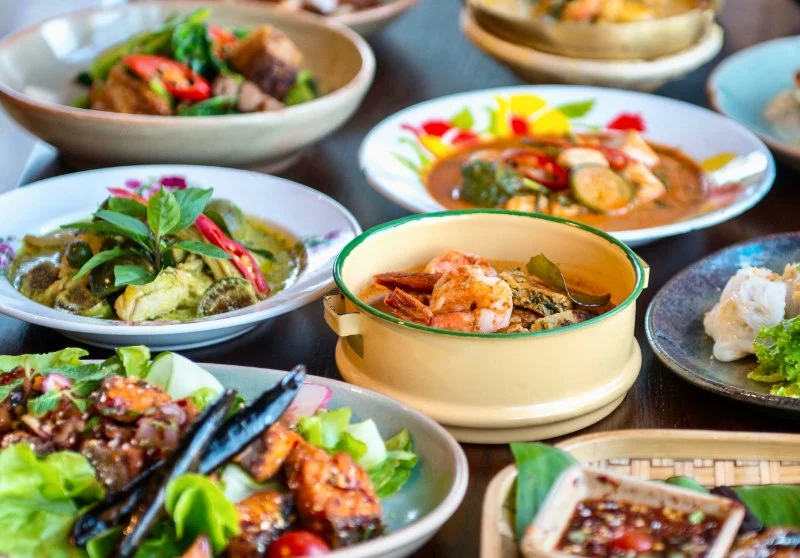
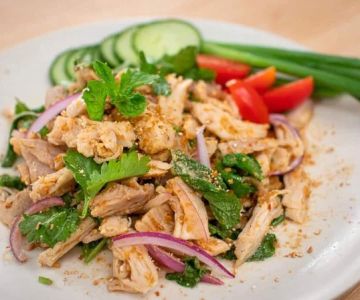
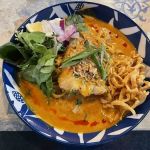
Thai food is much more than just pad Thai and green curry. Across Thailand’s diverse regions, food traditions vary dramatically. From the sweet, sour, and spicy dishes of the central plains to the bold, salty flavors of the southern coasts, each region offers something unique. In the north, you’ll find dishes like khao soi (a coconut curry noodle soup) and laab (a spicy minced meat salad). Meanwhile, in the south, the cuisine is often more coconut-based, with dishes like massaman curry reflecting Persian and Indian influences. Exploring these regional flavors will give you a deeper understanding of Thailand’s culinary history and culture.
2. Traditional Dishes You’ve Never Heard Of
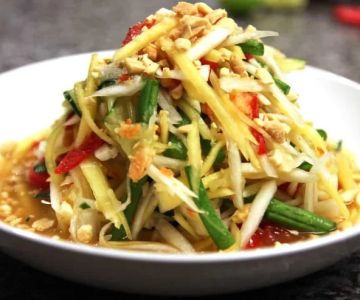
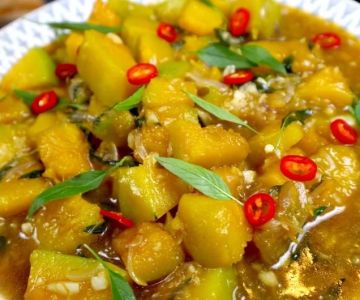
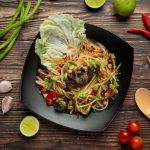
While many are familiar with Thai staples like pad Thai and green curry, the cuisine is filled with lesser-known but equally delicious dishes. For instance, som tam (spicy green papaya salad) is a common street food, but did you know there are different versions depending on the region? In the Isan region, it’s made with fermented fish sauce for an even stronger, bolder flavor. Another lesser-known dish is moo cha muang (pork stew with turmeric), which is a traditional northern dish not often found in Western Thai restaurants.
3. The Secret Flavors Behind Thai Cuisine
One of the defining features of Thai cuisine is its harmonious balance of five basic flavors: salty, sweet, sour, bitter, and spicy. These elements come together in complex and unique ways. For example, the combination of palm sugar and fish sauce in many Thai dishes creates an umami-packed balance that you won't find anywhere else. This balance extends to Thai desserts as well, where sweet sticky rice pairs with the subtle bitterness of coconut milk. Understanding these flavors will help you appreciate the true depth of Thai cuisine.
4. Traditional Thai Cooking Techniques You Should Know
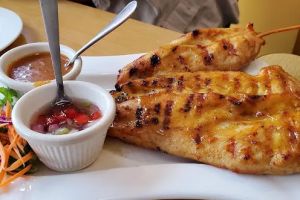
Thai food isn’t just about the ingredients—it’s about the methods used to prepare and cook them. One such technique is stir-frying, a quick and high-heat method that preserves the freshness of ingredients. Another is grilling, which imparts a smoky flavor to meats and fish. Traditional Thai cooking also makes use of mortar and pestles, especially for preparing curry pastes and dipping sauces. The mortar and pestle is central to Thai cooking, ensuring that ingredients are ground down to the perfect texture for maximum flavor extraction.
5. Cultural Rituals and Food Pairings
Food in Thailand is often linked to cultural rituals and religious practices. For instance, the tradition of offering food to monks in the morning is an important daily ritual in Thai culture. Additionally, Thai meals are often served family-style, with several dishes shared among the table. It’s also common to pair food with traditional Thai beverages like cha yen (Thai iced tea) or singha beer. The pairing of food with specific drinks is not just for flavor—it’s an integral part of the dining experience that helps balance the various elements of the meal.
If you're curious about discovering more of Thailand’s hidden culinary treasures, you can find the best products, services, and restaurant recommendations at Thai Food to bring the authentic taste of Thailand to your home.
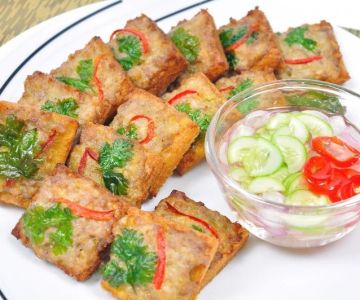
 Thai Sawasdee4.0 (175 reviews)
 MyThai Kitchen4.0 (137 reviews)
 Raan Thai4.0 (689 reviews)
 Come On Thai4.0 (194 reviews)
 Thai Basil4.0 (412 reviews)
 La Kang Chicken and Rice4.0 (57 reviews)
 Thai Food Ingredient Spotlight: Palm Sugar vs Brown Sugar — Which Works Better?
 The Best Thai Food Podcasts & YouTube Channels to Learn From
 How to Make Thai Food That’s Perfect for a Cozy Movie Night
 The Best Thai Food Restaurants in Detroit for Flavor Seekers
 The Secret to Perfect Thai Coconut Rice Every Time
 How to Make Thai Food That’s Balanced for a Healthy Lifestyle