
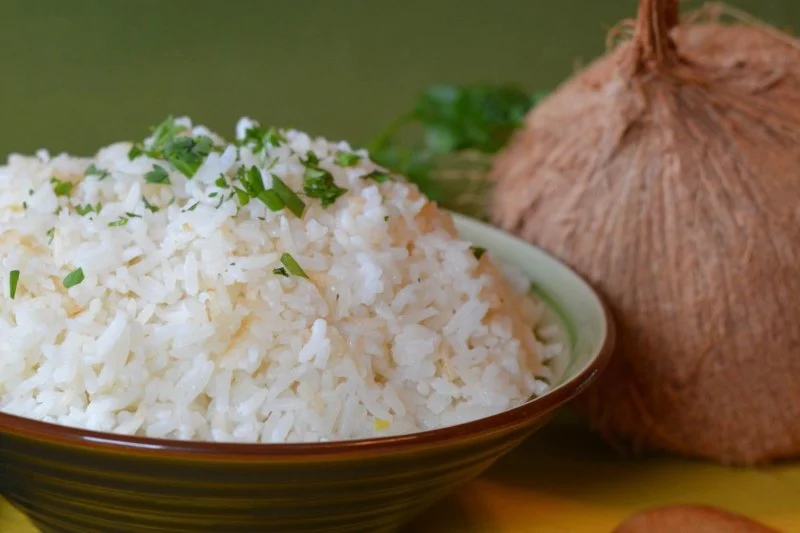
- Why Thai Coconut Rice Is So Special
- Key Ingredients for Perfect Coconut Rice
- Step-by-Step Guide to Cooking Perfect Thai Coconut Rice
- Common Mistakes to Avoid When Making Coconut Rice
- Real-Life Example: Making Coconut Rice at Home
- Discover More with Thai Food
1. Why Thai Coconut Rice Is So Special
Thai coconut rice is a fragrant and flavorful dish that elevates any Thai meal. Unlike regular rice, this dish uses coconut milk to infuse the rice with a rich, creamy taste. It pairs perfectly with a variety of Thai dishes, from spicy curries to stir-fries and grilled meats. The secret to making Thai coconut rice is all about balancing the natural sweetness of coconut with the subtle savory flavor of rice. But how do you ensure that your coconut rice comes out perfect every time?

1.1 A Dish with Depth of Flavor
What makes Thai coconut rice stand out is its depth of flavor. The coconut milk adds a natural sweetness and creamy texture, while the rice absorbs the essence of the coconut, making each bite a delightful experience. The use of pandan leaves or a pinch of salt can enhance the flavors, making the rice an excellent accompaniment to your favorite Thai dishes.

1.2 The Versatility of Coconut Rice
One of the best things about Thai coconut rice is its versatility. It can be served with a wide range of dishes, from savory curries like green curry or red curry to grilled chicken and even seafood. The subtle sweetness of the rice can balance the heat of spicy dishes, making it a great base for a well-rounded Thai meal.
2. Key Ingredients for Perfect Coconut Rice
Before you start cooking, it's important to gather the right ingredients. Here’s what you’ll need to make the perfect Thai coconut rice:
2.1 High-Quality Jasmine Rice
The base of any good coconut rice is high-quality jasmine rice. This long-grain rice is fragrant and slightly sticky, which makes it perfect for absorbing the coconut milk while maintaining its texture. Jasmine rice has a delicate floral aroma that complements the rich coconut flavor.
2.2 Coconut Milk
Not all coconut milk is created equal. For the best coconut rice, use full-fat coconut milk, as it gives the rice a creamy, rich texture. If you want a lighter version, you can use light coconut milk, but it may lack the same richness. Be sure to shake the can well before using it to ensure the cream and liquid are well-mixed.
2.3 Salt and Sugar
Adding a pinch of salt and a little sugar helps balance the sweetness of the coconut milk. The sugar enhances the natural sweetness, while the salt helps to enhance the overall flavor of the rice. The ratio should be balanced to avoid making the rice overly sweet or salty.
2.4 Optional: Pandan Leaves
While not always necessary, pandan leaves are a great addition to coconut rice if you can find them. These leaves add a subtle, fragrant flavor that complements the coconut. To use pandan leaves, simply tie them in a knot and add them to the rice while cooking for an aromatic touch.
3. Step-by-Step Guide to Cooking Perfect Thai Coconut Rice
Now that you have your ingredients, it’s time to cook! Follow this simple step-by-step guide for perfect Thai coconut rice every time:
3.1 Rinse the Rice
Start by rinsing the jasmine rice under cold water until the water runs clear. This step removes excess starch, ensuring that the rice isn’t too sticky once cooked. Rinsing the rice is key to getting a fluffy texture rather than a clumpy one.
3.2 Combine Ingredients
In a medium saucepan, combine the rinsed rice, coconut milk, water (or broth), sugar, and salt. If you’re using pandan leaves, add them now. The ratio of coconut milk to water should be roughly 1:1, but you can adjust based on how creamy you want the rice to be. Add a pinch of salt and a teaspoon of sugar for the right balance of flavors.
3.3 Bring to a Boil
Bring the mixture to a boil over medium heat, stirring occasionally. Once it reaches a boil, lower the heat and cover the saucepan. Allow the rice to simmer for about 15-20 minutes, or until all the liquid is absorbed. Avoid lifting the lid during cooking to ensure the rice steams properly.
3.4 Let It Sit
Once the rice is cooked, turn off the heat but leave the saucepan covered for an additional 10 minutes. This allows the rice to steam further and become even fluffier. After this resting period, fluff the rice with a fork to separate the grains.
4. Common Mistakes to Avoid When Making Coconut Rice
Making Thai coconut rice may seem simple, but there are a few common mistakes that can affect the outcome. Here’s what to avoid:
4.1 Using the Wrong Type of Rice
Using regular long-grain rice or basmati rice will not yield the same result as jasmine rice. Jasmine rice is key to achieving the correct texture and fragrance, so make sure to use it for the best results.
4.2 Overcooking the Rice
Overcooking coconut rice can result in mushy rice, so be sure to keep an eye on the cooking time and avoid stirring the rice while it cooks. Let the rice steam gently for the best texture.
4.3 Not Adjusting for Altitude or Pan Type
If you’re cooking at high altitudes or using a particular type of cookware, you may need to adjust the cooking time or liquid ratio slightly. Experiment with different methods if you find the rice is too dry or too wet after cooking.
5. Real-Life Example: Making Coconut Rice at Home
Sarah, an avid home cook, decided to make Thai coconut rice for her dinner party. After reading a few recipes online and tweaking them to her liking, she found that using full-fat coconut milk and pandan leaves made a huge difference. The rice came out fragrant, fluffy, and creamy, and it paired perfectly with the spicy green curry she made. Her guests were so impressed that they asked her for the recipe, and now she makes coconut rice regularly for family dinners!
6. Discover More with Thai Food
If you want to explore more authentic Thai recipes or find the best ingredients for cooking, visit Thai Food. We offer a variety of authentic Thai food recipes, tips, and product recommendations to help you create perfect Thai meals at home, including the best options for coconut rice and other traditional dishes.


 Pho Delight Thai Restaurant4.0 (302 reviews)
 Land Thai Kitchen4.0 (668 reviews)
 Thai Max4.0 (158 reviews)
 Ruby Thai3.0 (73 reviews)
 Pru Thai4.0 (81 reviews)
 Bangkok Station NJ4.0 (216 reviews)
 The Best Thai Food Restaurants in Indianapolis for Authentic Thai
 The Best Thai Food Podcasts to Cook Along With
 Thai Food Ingredient Guide: Sticky Rice — What It Is & How to Serve It
 Thai Food Ingredient Guide: Thai Chili Flakes — How Hot Are They Really?
 Thai Food and Wellness: Thai Herbs That Might Boost Your Health
 The Secret to Perfect Thai Coconut Rice Every Time