
- Understanding Thai Cuisine - Flavors, Ingredients, and Traditions
- Street Food vs. Restaurant Experience - How to Choose Where to Eat
- Essential Thai Dishes to Try for the Authentic Experience
- Tips for Eating Like a Local - Dining Etiquette and Practices
- Using Flavors and Spices - How Locals Balance Taste
- Finding Authentic Thai Restaurants in the US
- Experiencing Thai Street Food in the US
- Cultural Insights and Storytelling - The Heart of Thai Dining
- Pairing Drinks and Desserts - Enhancing Your Thai Meal
- Home Cooking and Recommendations for Further Exploration
Understanding Thai Cuisine - Flavors, Ingredients, and Traditions
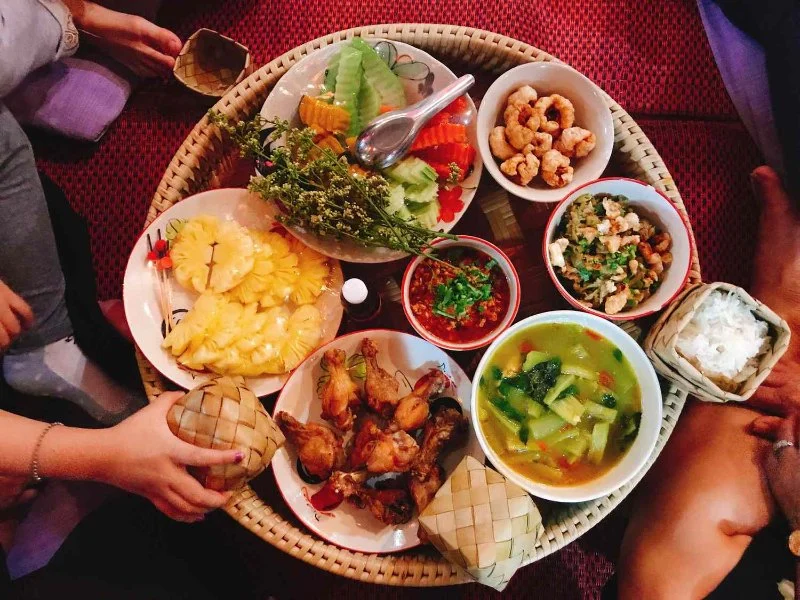
Thai cuisine is renowned for its intricate balance of flavors: sweet, sour, salty, bitter, and umami often come together in a single dish. Understanding this balance is key to fully enjoying the Thai food experience. In the US, Thai restaurants often adapt dishes to local tastes, but the authentic flavors remain unmistakable when you know what to look for.
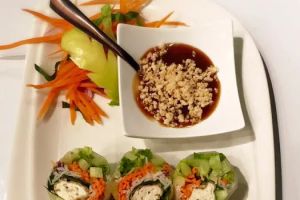
Basil n' Spice Thai Cuisine
WorcesterWorcester CountyMassachusetts
299 Shrewsbury St, Worcester, MA 01604, USA
1. Key Ingredients
Essential ingredients like lemongrass, galangal, kaffir lime leaves, fish sauce, and Thai basil form the backbone of many dishes. Recognizing these flavors can elevate your dining experience and allow you to appreciate the subtle artistry behind each dish.
2. Regional Variations
Thai cuisine varies significantly by region. Northern Thai dishes often emphasize herbs and mild spices, while southern dishes are spicier and richer with coconut milk. Central Thai cuisine blends sweetness and saltiness, and northeastern Thai (Isaan) dishes favor bold, tangy flavors often paired with sticky rice.
Street Food vs. Restaurant Experience - How to Choose Where to Eat
Eating like a local in the US means experiencing both casual and formal Thai dining settings. Street food captures the spontaneity and authenticity of everyday Thai eating, while restaurants provide curated experiences that highlight regional dishes.
Street Food Experience
Food trucks and market-style vendors often replicate the Thai street food experience. Dishes like Pad Thai, Som Tum (papaya salad), and grilled meats offer a quick, flavorful, and affordable introduction to Thai cuisine.
Restaurant Experience
Thai restaurants offer an opportunity to try dishes that require more complex preparation. Curries, hot pots, and specialty desserts like mango sticky rice are best experienced in a sit-down setting where presentation and timing enhance the meal.
Essential Thai Dishes to Try for the Authentic Experience
When exploring Thai food in the US, some dishes provide the closest experience to eating in Thailand:
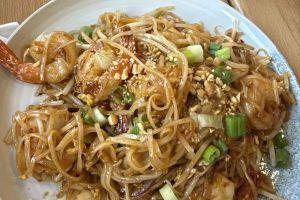
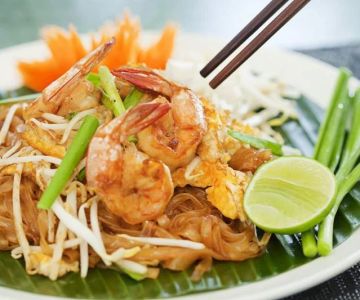
1. Pad Thai
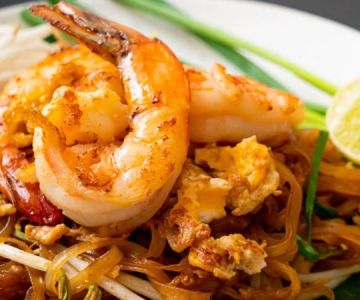
This stir-fried noodle dish is beloved for its sweet, sour, and salty flavor balance, often garnished with crushed peanuts and lime wedges.
2. Tom Yum Soup
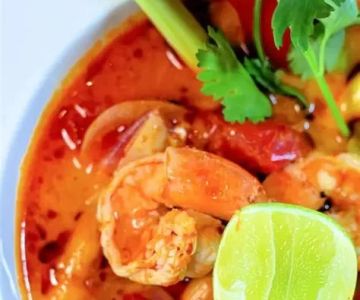
A spicy and sour soup featuring shrimp, lemongrass, and lime leaves. Its bold flavors are a signature of Thai cuisine.
3. Green Curry (Gaeng Keow Wan)
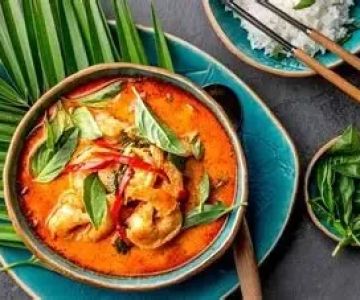
Green curry combines coconut milk, green chilies, and fresh herbs to create a rich, aromatic dish.
4. Som Tum (Papaya Salad)
A refreshing, spicy salad made with shredded green papaya, chili, garlic, and lime. Perfect for a local street food experience.
5. Massaman Curry
A milder curry with roots in Indian and Muslim influences, featuring tender meat, potatoes, and a subtle blend of spices.
Tips for Eating Like a Local - Dining Etiquette and Practices
Eating Thai food is as much about technique as it is about taste. Locals approach meals with shared plates and a balance of flavors at every bite.
1. Shared Plates
Order multiple dishes and share them with companions. This allows everyone to taste a variety of flavors and textures in a single meal.
2. Rice as a Base
Rice accompanies nearly every Thai dish, serving as a neutral canvas that balances strong flavors from curries and spicy salads.
3. Flavor Balancing
Mix dishes carefully. Combining spicy, sour, and sweet dishes can create a harmonious meal experience reminiscent of a local Thai dining table.
Using Flavors and Spices - How Locals Balance Taste
Thai dishes rely on precise seasoning techniques. Local cooks in the US often preserve these techniques by using fresh herbs and spices, adjusting salt, lime, and sugar to taste at the table.
1. Adjusting Spice Level
Spice tolerance varies. Locals often keep chili flakes or fresh chilies on the side, allowing diners to customize heat to their preference.
2. Layering Flavors
The layering of sweet, sour, salty, and umami ensures that no single flavor dominates, making Thai food a dynamic and interactive eating experience.
Finding Authentic Thai Restaurants in the US
Locating authentic Thai dining spots requires research and attention to detail. Look for places that:
- Use fresh herbs and traditional ingredients
- Feature regional dishes beyond Pad Thai and general curries
- Offer Thai-style beverages like Thai iced tea
- Receive positive reviews from Thai communities
Websites and communities like Thai Food provide curated guides to help locate authentic restaurants and specialty stores across the US.
Experiencing Thai Street Food in the US
Food markets, pop-up vendors, and specialized food trucks are excellent avenues to enjoy street-style dishes. Popular options include:
- Grilled satay skewers with peanut sauce
- Sticky rice with mango
- Khao Pad (Thai fried rice) with vegetables and protein
- Various noodle soups with flavorful broths
These casual dining experiences capture the essence of Thai street culture while remaining accessible to a US audience.
Cultural Insights and Storytelling - The Heart of Thai Dining
Understanding Thai dining etiquette and cultural background enriches the experience. Sharing food, balancing flavors, and appreciating the visual presentation are traditions that reflect Thailand's culinary heritage.
1. Community Dining
Meals are typically enjoyed in groups. Sharing dishes fosters connection and mirrors traditional Thai hospitality.
2. Storytelling Through Food
Many dishes carry historical or regional significance. Engaging with restaurant staff or chefs often reveals stories that enhance appreciation of the cuisine.
Pairing Drinks and Desserts - Enhancing Your Thai Meal
Beverages like Thai iced tea, fresh coconut water, or herbal infusions complement meals perfectly. Traditional desserts such as mango sticky rice, coconut milk jelly, or sweet rice dumplings balance the spiciness of main courses.
Home Cooking and Recommendations for Further Exploration
For enthusiasts looking to replicate the Thai food experience at home, cooking classes, recipe blogs, and curated ingredient kits provide hands-on learning opportunities. Websites like Thai Food offer guidance, ingredient sourcing tips, and authentic recipes to help Americans enjoy Thai cuisine like a local.
Mastering the flavors, techniques, and cultural context allows diners to fully embrace the vibrant, aromatic, and communal essence of Thai dining, whether at a restaurant, street vendor, or their own kitchen. With thoughtful exploration, the Thai food experience in the US can be just as rich, authentic, and memorable as eating in Thailand itself.
 Spice Thai Bistro4.0 (94 reviews)
 Siam Cafe4.0 (33 reviews)
 Thai Village4.0 (89 reviews)
 Rice Thai4.0 (180 reviews)
 Plue4.0 (1353 reviews)
 LENOXTHAI4.0 (683 reviews)
 How to Make the Most of Thai Food and Mindful Eating
 Thai Food for Your Lunch Break: Quick & Healthy Recipes
 The Best Thai Food Restaurants in Boston for Authentic Experiences
 The Best Thai Food Restaurants in Milwaukee for True Thai Flavor
 How to Make Thai Food in One-Pan: Less Cleanup, Full Flavor
 How to Make Thai Food That’s Ready in Under 20 Minutes Without Losing Real Thai Flavor